




ADVERTISEMENT
The 'Indian aesthetic' on Pinterest isn’t really Indian
When a country this vast becomes a mood board, what gets lost in the edit, and who gets to decide what Indian culture should look like?

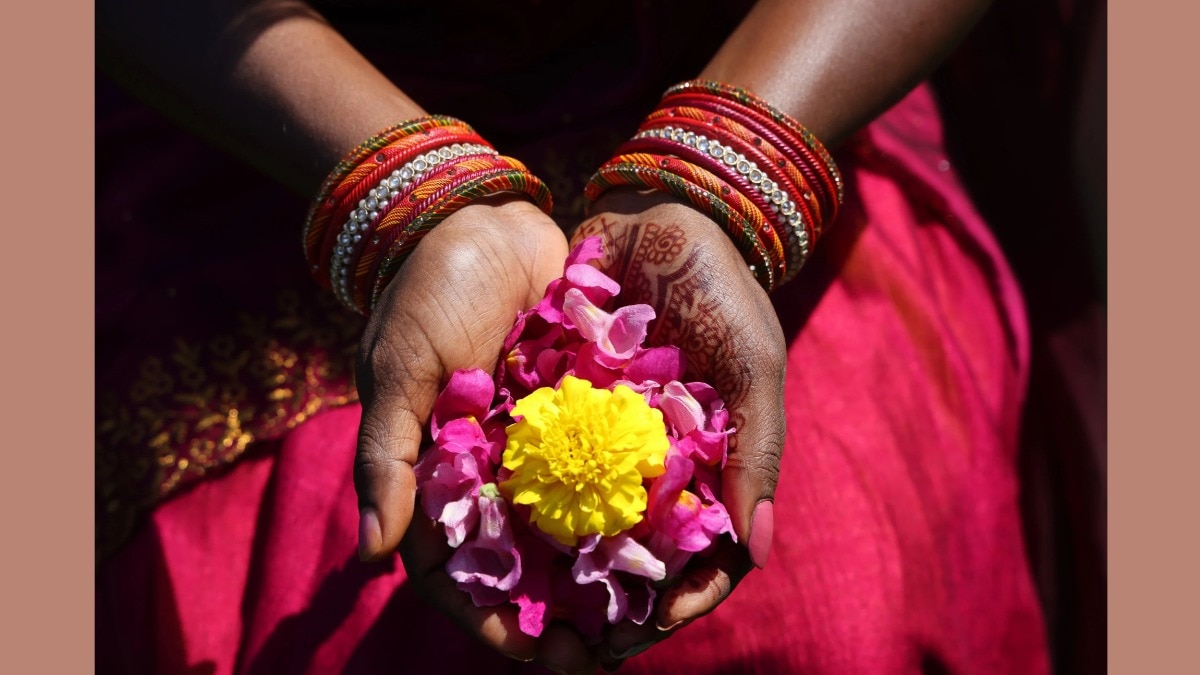
There is a version of India that exists almost exclusively online. It lives in sun-drenched courtyards, beneath bougainvillaea, among antique brass vessels and rumpled linen. Its women wear oxidised silver jewellery, drink chai from handmade ceramic cups and look as though they have never had to hunt for a matching pair of earrings five minutes before leaving the house. Everything is warm, earthy and vaguely ancestral. Nothing is particularly loud. Nothing looks especially new.
Open Pinterest and search for the 'Indian aesthetic'. You will find some variation of this world, over and over again. It is beautiful, obviously. It is also suspiciously familiar to anyone who has spent time on the internet watching Western interiors, slow living, and bohemian fashion.
I grew up in Mumbai, a city where the visual language of Indian life can change completely between two traffic signals. There is the woman in a crisp cotton sari bargaining with a vegetable vendor, the college student in an oversized football jersey and jhumkas, the auntie whose idea of dressing down involves a silk kurta and enough gold to catch the light from three streets away. There are temples, Art Deco buildings, glass towers, Irani cafés, wedding halls lit like small suns and apartments where a perfectly ordinary plastic chair sits beside a piece of furniture that has been in the family for generations. None of these things cancels each other out. They are all Indian. And yet, online, some seem far more eligible for the title than others.
Pinterest reported 619 million monthly active users in 2025, giving its visual culture an enormous audience. The platform has become a digital archive of aspiration, where people collect images not just of things they like, but of the people they want to be and the lives they want to lead. Mood boards are no longer just reference points; they shape how we dress, decorate, travel, and consume. And when millions of people are saving, sharing and recreating the same visual cues, an aesthetic can quickly become shorthand for an entire culture. The question is what happens when that culture is reduced to the handful of images the algorithm keeps putting in front of us. And the image of India being circulated through that system is often less a portrait of a country than a carefully edited fantasy of it.
India, but make it beige
The internet loves a culture it can recognise in three seconds. Give it a brass lota, a marigold garland, a carved wooden door, and a wash of turmeric yellow, and it knows what to do. Add a grainy photograph of a Bollywood heroine, a few incense sticks, and a block-printed bedsheet, and the board is practically finished. What gets lost is everything that makes these objects mean something beyond their visual appeal. Brass is no longer simply brass. It is evidence of an ancestral home. A dupatta becomes a styling accessory. A courtyard becomes a backdrop for content. A traditional craft becomes a texture to be layered into a room that otherwise looks suspiciously like a boutique hotel in Udaipur designed for a traveller who wants to feel culturally immersed without being too far from a good espresso. This is the strange thing about the contemporary Indian aesthetic: it often borrows the language of heritage while removing the inconveniences and realities of actual life.
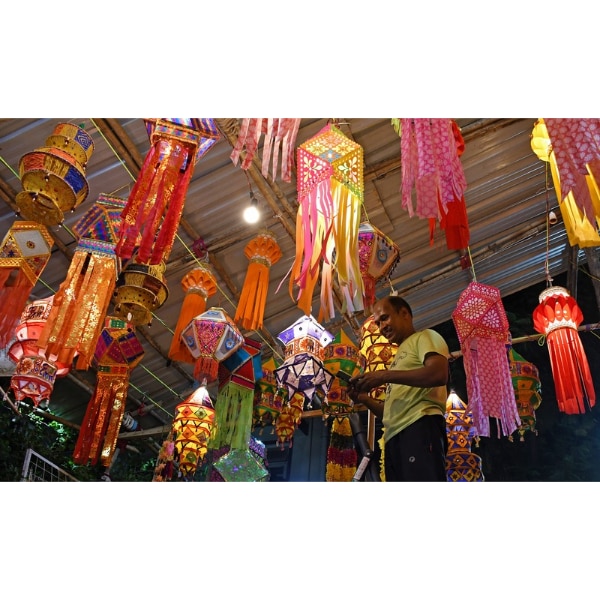
Real Indian homes are not always curated around a single colour palette. They contain things that clash, things that have been repaired, things bought on holiday, things inherited without anyone knowing their provenance. There is usually a drawer full of cables, a plastic bag containing other plastic bags and a decorative object that nobody is allowed to touch. The expensive sofa might be covered with a bedsheet because relatives are coming over. The silver may be polished for Diwali and put away again. The beautiful old cabinet might be storing medicine, bills and a packet of Parle-G. This is not a failure of taste. It is what happens when objects are used, loved, and lived with rather than arranged to communicate a lifestyle. The point is not to insist that Indian culture must be colourful, maximalist, or traditional to qualify as authentic. That would be another kind of stereotype, and an equally limiting one. The point is that beige has become a particularly convincing way of making India legible to an internet that prefers its cultures pre-packaged.
The problem with calling it an aesthetic
The word 'aesthetic' is doing a lot of work here. It allows an assortment of objects, clothes, colours, and cultural references to be grouped together without requiring much understanding of where they came from. It turns a practice into a look, and a look into something that can be saved, replicated, and eventually sold. This is hardly unique to India. The internet has done the same to everything from French-girl dressing to Japanese minimalism. But there is something especially revealing about the way Indian culture gets flattened into an exportable visual identity, particularly when the same objects have not always received the same enthusiasm in the contexts they came from.
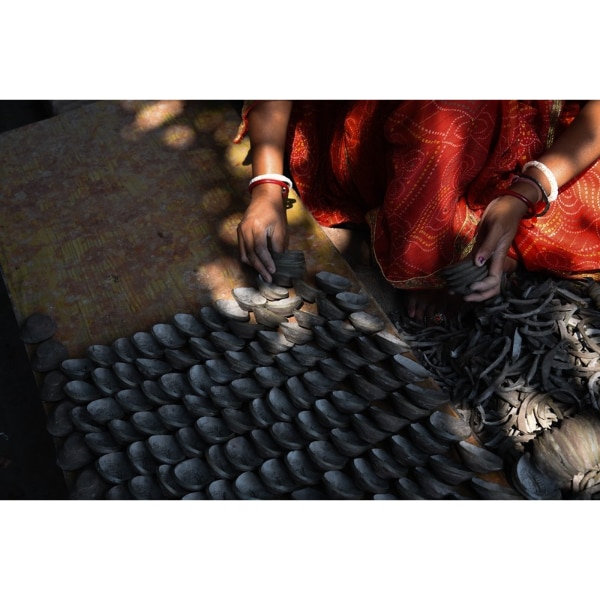
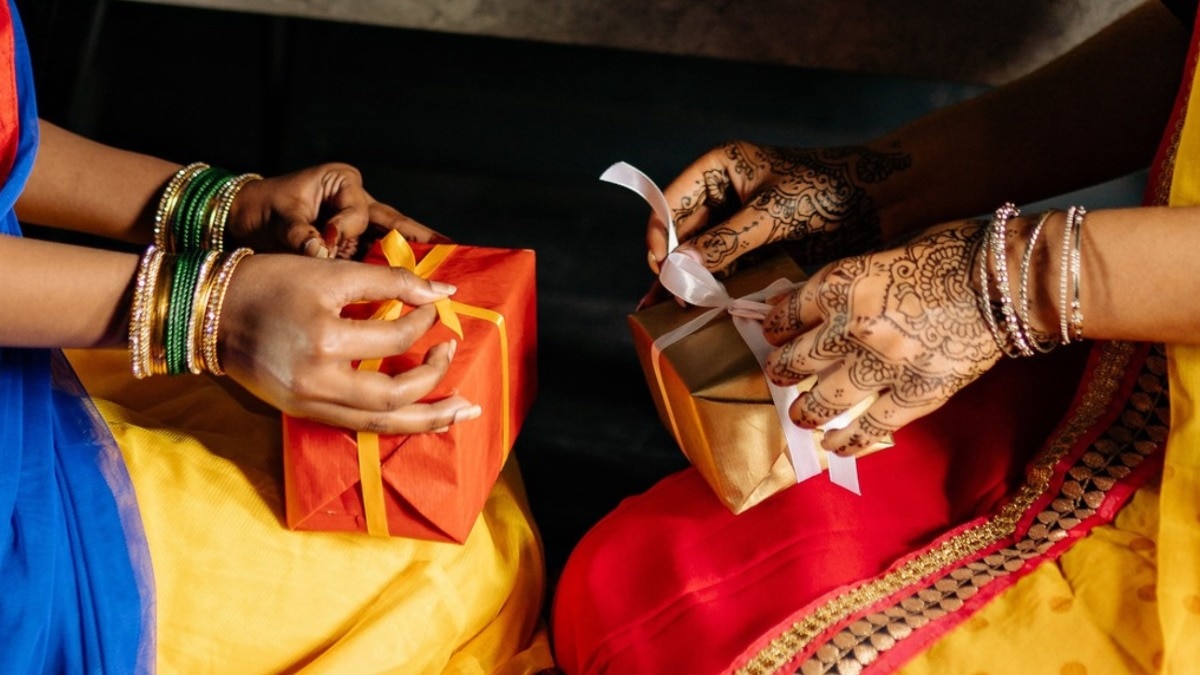
A dupatta worn with a kurta can be dismissed as ethnic or old-fashioned. Put a similar scarf around a Western outfit, and it can suddenly become a Scandinavian styling trick. Jhumkas become chandelier earrings. Mehndi becomes a bohemian body-art moment. The object travels, its context gets thinner, and its desirability seems to increase as its Indian identity becomes less explicit. This frustration has surfaced repeatedly in South Asian online communities. In a March 2026 discussion on Reddit, one widely upvoted post called out the tendency to rename familiar Indian accessories and styling conventions once they circulate in Western fashion. The reaction was telling: the issue was not that people outside India were wearing these things, but that the vocabulary around them seemed to change depending on who was wearing them.
An aesthetic is not a country
How can a single visual search term be expected to represent the country? What does an Indian aesthetic look like in Kashmir, compared with Nagaland? What does it look like in a Bengali household, a Maharashtrian home, a Tamil wedding, or a family in Rajasthan? What happens when we look beyond the familiar visual references of North Indian bridalwear and the pan-Indian imagery that dominates luxury campaigns? There is no single answer, which is exactly the point.
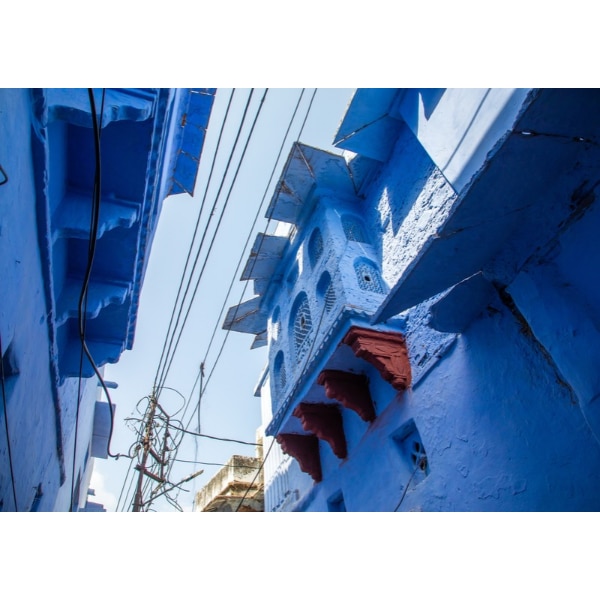
An aesthetic can be specific. It can be regional, personal, contradictory, even a little ugly. It can change between generations. It can contain a hand-me-down sari alongside a vintage Chanel bag, a traditional silver anklet alongside Adidas Sambas, or an heirloom piece of furniture next to something bought on sale from IKEA. It does not have to make sense to anyone outside the person living with it. And perhaps this is where Pinterest's version of India becomes most limiting. It asks a country that is constantly changing to become visually consistent.
The irony is that Indian culture does not need to be made more beautiful, more minimal or more digestible to become interesting to the world. It needs to be seen in its actual complexity. That means recognising the ordinary alongside the spectacular, the contemporary alongside the historical, and the parts of Indian life that do not photograph particularly well. It also means allowing Indians to participate in defining what their own culture looks like, rather than treating its visual identity as an open-source resource that anyone can rearrange without context.
Maybe the problem is the mood board itself
I am not arguing that we should stop saving beautiful images. I use Pinterest. I like beautiful clothes, beautiful rooms and the occasional impossibly perfect photograph of a life I will never have. There is nothing inherently wrong with wanting to make a space feel warmer, a wardrobe feel more considered, or a wedding look a little less conventional. But there is a difference between using an image for inspiration and allowing it to become a reference point for an entire culture. The internet has made visual discovery almost frictionless. Pinterest reported in its second-quarter 2025 earnings commentary that more than half of its monthly active users were Gen Z, a reminder of how deeply these visual platforms are embedded in how younger consumers discover trends and form preferences.
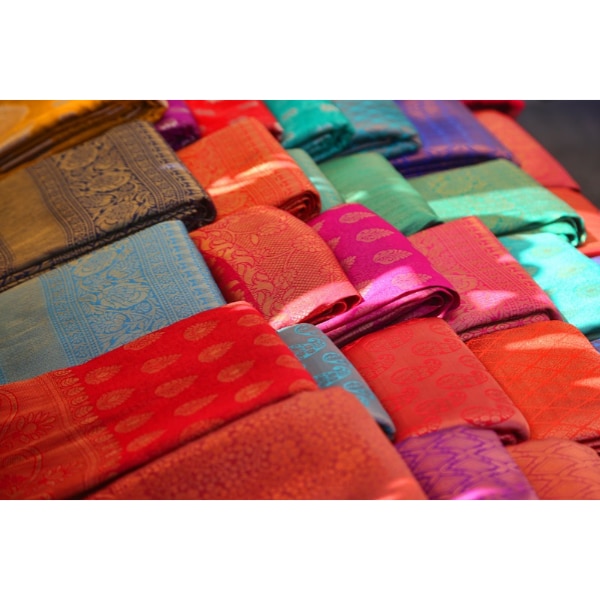
When a generation grows up learning to recognise aesthetics before learning the histories behind them, it becomes easy to confuse the image with the thing itself. India becomes a colour palette. Heritage becomes a styling category. Culture becomes content. The answer is not to police every reference to India or insist that only Indians can interpret Indian design. Cultures have always influenced one another, and the most exciting fashion often emerges from that exchange. The answer is to be more curious about what we are looking at, to name things correctly, to acknowledge the people who make them and to leave room for versions of India that do not conform to an algorithm's idea of what is beautiful. Because the Indian aesthetic is not one thing. It is not a mood board, a bridal palette, a brass vessel, or a carefully distressed photograph of a woman in a sari. It is a country. And a country cannot be saved to a board.
Image credits: Getty Images
Also read: India’s cultural events are finding a new generation of audiences
Also read: Festive Diwali home décor to set the scene for celebrations
ADVERTISEMENT
Must Read



ADVERTISEMENT