India’s cultural events are finding a new generation of audiences
India’s cultural scene is having a moment, with live music, intimate musical gatherings, devotional performances, and literary festivals creating new spaces for music, poetry, and collective experiences.

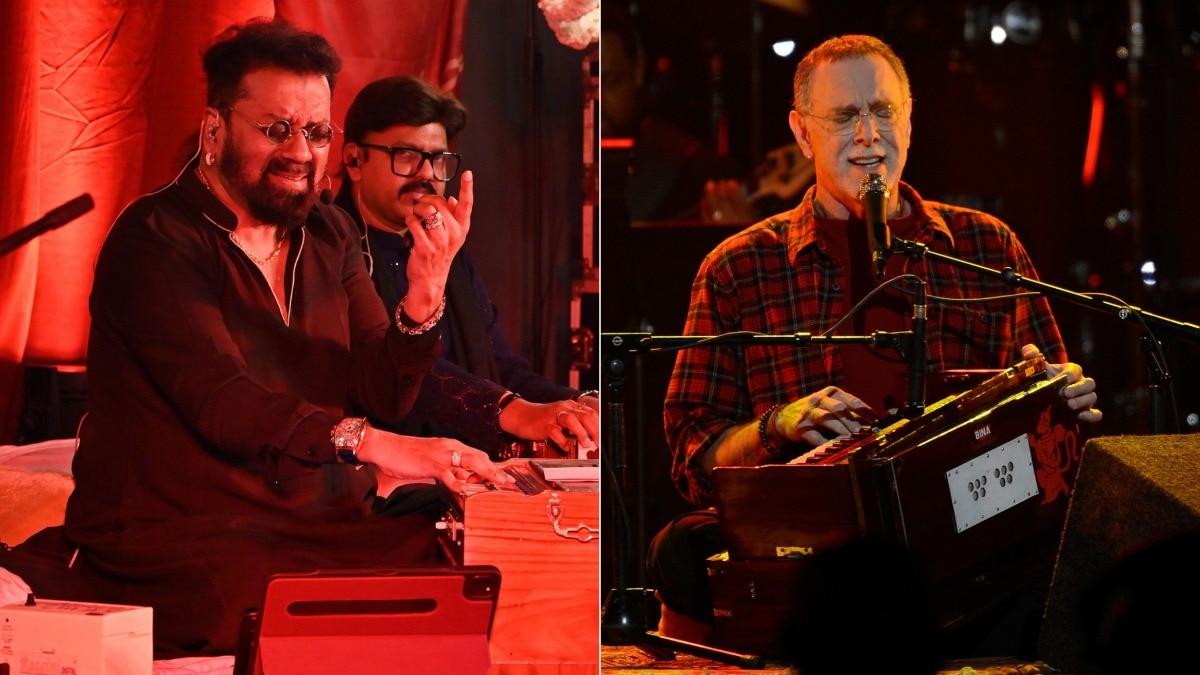
India's live entertainment calendar is making room for experiences that go beyond the usual concert circuit. In recent weeks, audiences have gathered for ghazals with celebrated artists, devotional chanting with an internationally recognised kirtan artist, and performances rooted in Sufi music and poetry. These events draw from traditions that have existed for generations, but their settings and formats are giving audiences different ways to experience them. From intimate musical evenings to large-scale performances, there is a growing range of opportunities to engage with India's cultural heritage in person.
What makes this calendar interesting is the variety it offers. Some gatherings centre on the intimacy of a mehfil, where music and conversation share equal space. Others bring devotional music to larger audiences or reinterpret qawwali through orchestral arrangements. Literary festivals, meanwhile, keep poetry, storytelling, and classical arts in the conversation. Together, these events offer a glimpse into how traditional art forms continue to find their place in contemporary cultural life.
A renewed interest in the intimacy of live performance
On October 11, Ibtida-Ek Mehfil, a platform that celebrates Indian culture, presented Ghazal Aur Baatein with filmmaker, composer, and musician Vishal Bhardwaj at Delhi's Safdarjung Tomb. The evening brought together ghazals, stories, and conversation against the backdrop of the 18th-century monument. Founded by Tanvi Singh Bhatia and Anubhav Jain, Ibtida draws inspiration from the traditional mehfil, where music and storytelling unfold in an intimate setting. The platform was also part of Mumbai's festive calendar on October 24, with singer Rekha Bhardwaj performing at ITRH Ki Diwali. The gathering brought a musical dimension to the celebrations, showing how the mehfil format can work across different settings.
Devotional music offers another kind of shared experience. Krishna Das returned to India for a five-city tour in October and November, bringing his interpretation of kirtan to audiences across the country. The Grammy-nominated artist combines Sanskrit mantras with contemporary musical influences, inviting audiences to participate through call-and-response chanting. Following performances in Delhi and Mumbai, the remaining tour dates include Pune on October 30, Ahmedabad on November 1, and Bengaluru on November 4. The format makes the audience an active part of the performance, drawing on the communal nature of devotional music.
When tradition meets a contemporary stage
Qawwali is finding different expressions on the live circuit, too. The Orchestral Qawwali Project (OQP), led by award-winning composer and producer Rushil Ranjan and vocalist Abi Sampa, will make its India debut this December. The project brings qawwali into conversation with Western classical music, choral arrangements, and South Asian traditions. Following performances at venues including London's Royal Albert Hall and the Barbican, OQP will travel to Delhi on December 5, Bengaluru on December 6, Hyderabad on December 12, and Mumbai on December 13. The tour also marks the launch of Ruhbaru, a new cultural platform by Cultural (Mis)fits, created to bring distinctive artists and musical traditions to Indian audiences.
A different approach to Sufi music will arrive in Bengaluru on November 14, when Mehfil-e-Sama'a takes place at The Bay at Ecoworld. Rooted in the tradition of sama'a, or spiritual listening, the performance draws on the poetry of Amir Khusro, Kabir Das, and Mirza Ghalib. While OQP explores qawwali through orchestral arrangements, Mehfil-e-Sama'a places the focus on Sufi music and poetry in a live, communal setting. Both offer audiences an opportunity to engage with traditions whose influence extends well beyond the concert stage.
Taking the cultural conversation beyond music
Music is only one part of this wider calendar. The 15th Jashn-e-Adab Sahityotsava is scheduled in Delhi from December 25 to 28 at the India Habitat Centre and India International Centre. Dedicated to Hindustani literature, poetry, and classical arts, the festival brings together mushairas, kavi sammelans, dastangoi, ghazal singing and kathak, alongside conversations around cinema and theatre. Its programme creates space for literary and performing arts to be experienced alongside one another, extending the cultural conversation beyond music.
These events approach India's artistic traditions from different directions, whether through the intimacy of a ghazal evening, the collective energy of kirtan, a new interpretation of qawwali, or a gathering around poetry and storytelling. Their formats may differ, but they share an interest in bringing people together around music, language and performance. In a live entertainment landscape filled with options, these experiences offer audiences another way to spend an evening, one shaped by the richness of India's cultural traditions.
Lead image: Getty Images
Also read: What’s in your glass? Inside Gen Z’s fun café-drink orders
Also read: Avni Doshi on ‘First House’ and the art of writing women unravelling