




ADVERTISEMENT
Inside Chanakya’s vision for the future of Indian craftsmanship
Karishma Swali continues to bridge craft and fine art through a unified agency for artisans, artists, and inherited creative traditions.

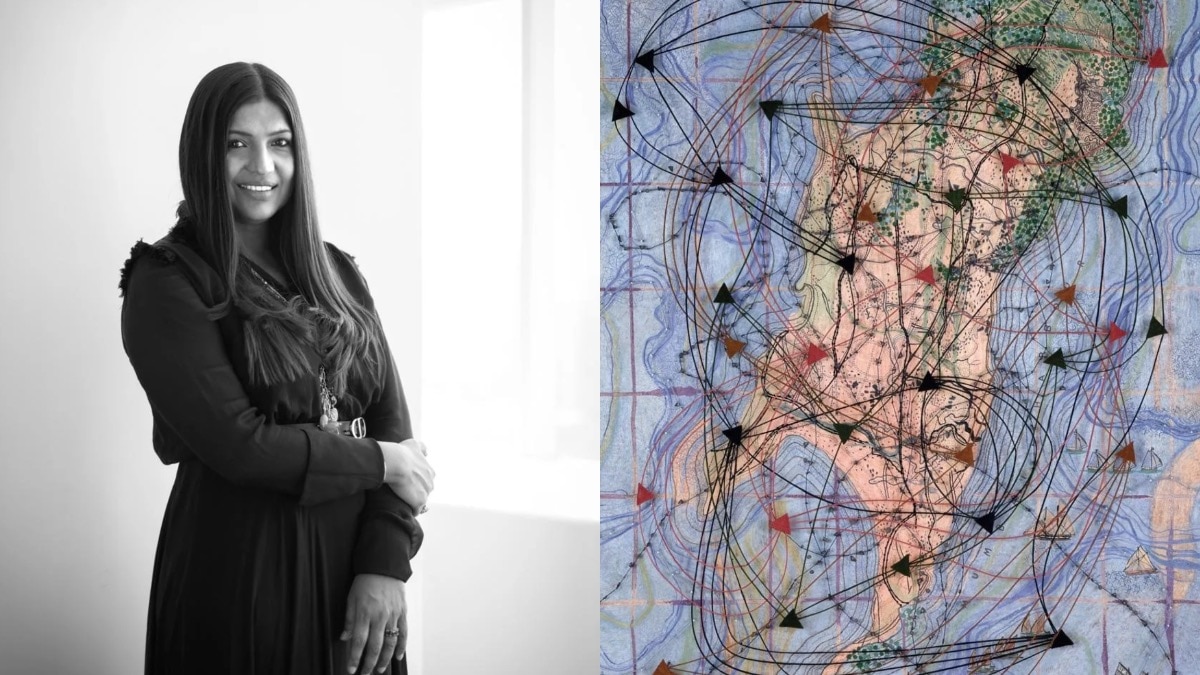
Built over years of extensive research and Chanakya marks the four-decade milestone as a significant platform for exchange. The pioneering textile and embroidery house began in 1986 with Vinod Shah, whose deep admiration for craftsmanship led the atelier to its current status of craft excellence. Working closely with artisans and their intergenerational lineages encouraged the atelier to draw inspiration from material histories across fashion, artistic practices, and cultural exchanges. Under the leadership of Shah’s daughter, Karishma Swali, Managing Director & Creative Director at Chanakya International and Chanakya School of Craft; Founder and Chair of the Chanakya Foundation, the House has become a continually evolving centre for advancing cultural sustainability through skill development and multidisciplinary collaborations.
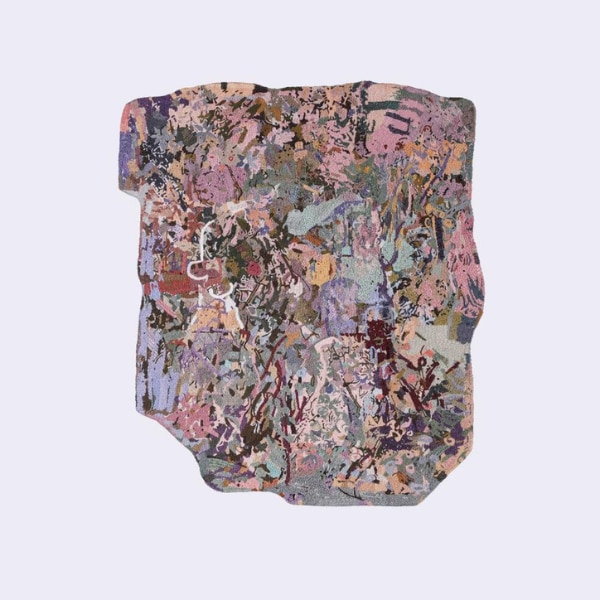
To celebrate the milestone anniversary, Chanakya presents three exhibitions across Mumbai to articulate different dimensions of the House’s journey, and reflect the breadth of the artistic practice, education, research, and cultural exchange. “En Route considers how knowledge travels and how each generation finds new ways of carrying it forward. Garden of Gestures traces the life of a gesture, from learning and shared practice to individual expression. Belong reflects on what we carry through material, memory, and inherited systems of knowledge,” explains Swali.
In an exclusive conversation, she takes us through the requisites of building a legacy and the next chapter.
Harper’s Bazaar: Looking back at Chanakya and the institution it has become today, what is the one principle that has remained non-negotiable?
Karishma Swali: What began as an atelier now spans fashion, education, art, research, culture, and contemporary expression, supported by longstanding relationships with more than 50 international fashion houses, artists, and cultural institutions. What has remained immutable is our respect for the maker and our reverence for material and process. The scale can change, disciplines can converge, and the vocabulary can continue to evolve, but the knowledge of the people who make must always remain at the centre.
HB: How has working with global luxury changed the way you think about Indian craftsmanship?
KS: Our relationships with these fashion houses have grown from a shared commitment to exceptional quality, savoir-faire, and uncompromising values. For us, these collaborations have always been creative dialogues grounded in deep respect for material, technique, and the extraordinary knowledge of our master artisans. Working across these contexts has reinforced my understanding of craft as a living and continually evolving body of knowledge. The artisan doesn’t simply execute an idea; their knowledge, material understanding, and way of making shape how the work develops. Within our practice, thinking and making have never been separate.
HB: Where do you draw the line between preservation and reinvention?
KS: I don’t see preservation and evolution as opposing ideas. Traditional craftsmanship is a living, limitless language, and our responsibility is to keep the knowledge alive while letting each generation question it, expand it, and take it in new directions. At Chanakya, we research and explore traditional techniques through material inquiry and rigorous practice, allowing them to enter new contexts without losing the knowledge at their core. For me, continuity is not about keeping a practice static; it is about preserving the intelligence within it while letting its vocabulary evolve.
HB: You have spoken about dismantling the hierarchy between artist and artisan. What does it take to genuinely dismantle it rather than simply change the narrative around it?
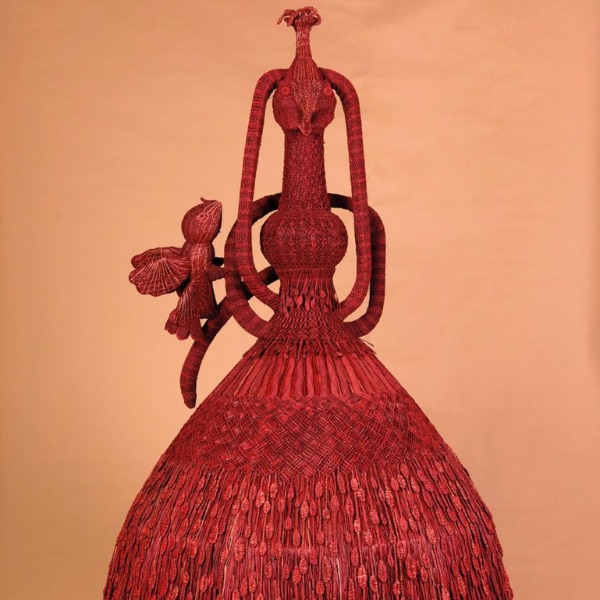
KS: For me, it has to happen in the making process itself. Collective authorship has always been fundamental to the way we work. In the atelier, an idea moves through many minds and hands, each bringing distinct knowledge and perspective to its evolution. Our collaborations bring artists and artisans together as co-creators, allowing different forms of knowledge and ways of making to enter into conversation. The Chanakya School’s artistic practice grew from this desire to dismantle the historical hierarchy separating fine art from craft and to explore a contemporary visual language where both exist as equals. For me, the most meaningful collaborations are reciprocal: different forms of knowledge meet as equals, and something emerges that neither practice could have arrived at independently.
HB: Do you think the recognition of the artisan has fundamentally changed in India over the past 40 years, or do structural hierarchies still need to be confronted?
KS: I think there has been a profound shift in the visibility of Indian craftsmanship over the last two decades. Today, Indian artisans contribute to some of the most significant conversations in global fashion, art, and design. People increasingly recognise the extraordinary intelligence, innovation, and cultural knowledge embedded in their practices. But visibility and recognition are two very different things. Hierarchies between artist and artisan, designer and maker, and intellectual and manual labour remain deeply embedded in our cultural and economic structures. At Chanakya, over the last 40 years, we have tried to challenge these distinctions by creating spaces where craftsmanship is understood as knowledge and artisans are recognised as creative thinkers and cultural authors. For me, the next chapter must move beyond celebrating craft to fundamentally rethink authorship, representation, economic agency, and access to opportunity. The real measure of progress is whether the people who preserve and advance our cultural knowledge are equally empowered to shape its future.
HB: Can craft be commercially successful without becoming commodified?
KS: Absolutely. In fact, I believe commercial success is essential to craft’s continued relevance and evolution. The question is how we define value. Craft becomes commodified when we reduce it to a technique, a decorative surface or a nostalgic reference, disconnected from the knowledge, people, and cultural histories that give it meaning.
“I think we need to move away from the idea that cultural integrity and commercial ambition are somehow opposing forces.”
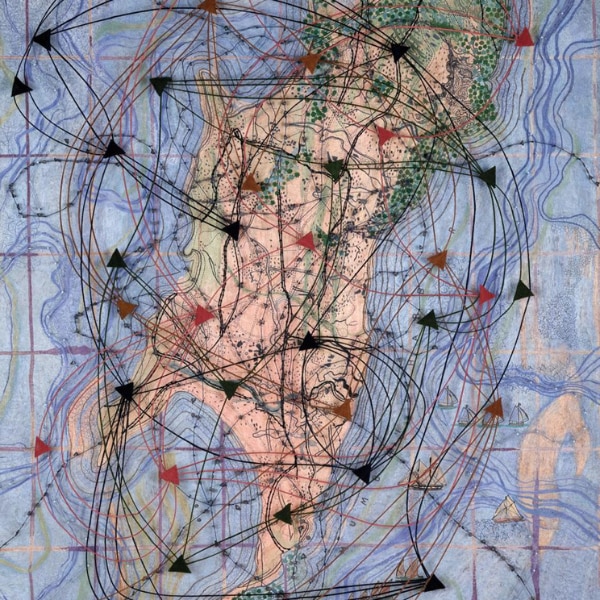
But commerce can also be an extraordinary force for sustaining craftsmanship. It can create livelihoods, encourage innovation, invest in education, and let traditions evolve through contemporary expressions. Our work at Chanakya, and now through Chorus, has always been guided by the belief that craft is a living, evolving language. Its relevance lies in its capacity to engage with the present and imagine the future. I think we need to move away from the idea that cultural integrity and commercial ambition are somehow opposing forces. To me, the most meaningful luxury is rooted in human intelligence, time, material understanding, and exceptional skill. The challenge is to build economic value around craft without extracting its cultural and human value.
HB: What does Chanakya need to become over the next 40 years?
KS: I see the next chapter as an opportunity to keep building an ecosystem where inherited knowledge remains living, while its boundaries are continually reconsidered and expanded. Education will remain fundamental. Over the next decade, the Chanakya School aims to educate more than 14,000 women. Alongside this, we will continue to invest in artistic research and international cultural dialogue, while expanding the artistic practice and carrying textile intelligence into new forms through Chorus. Ultimately, the intention remains the same: to ensure that these knowledge systems continue to live, evolve, and find new forms of expression. My hope is that we question, expand, and carry forward the knowledge we inherit in directions we cannot yet imagine.
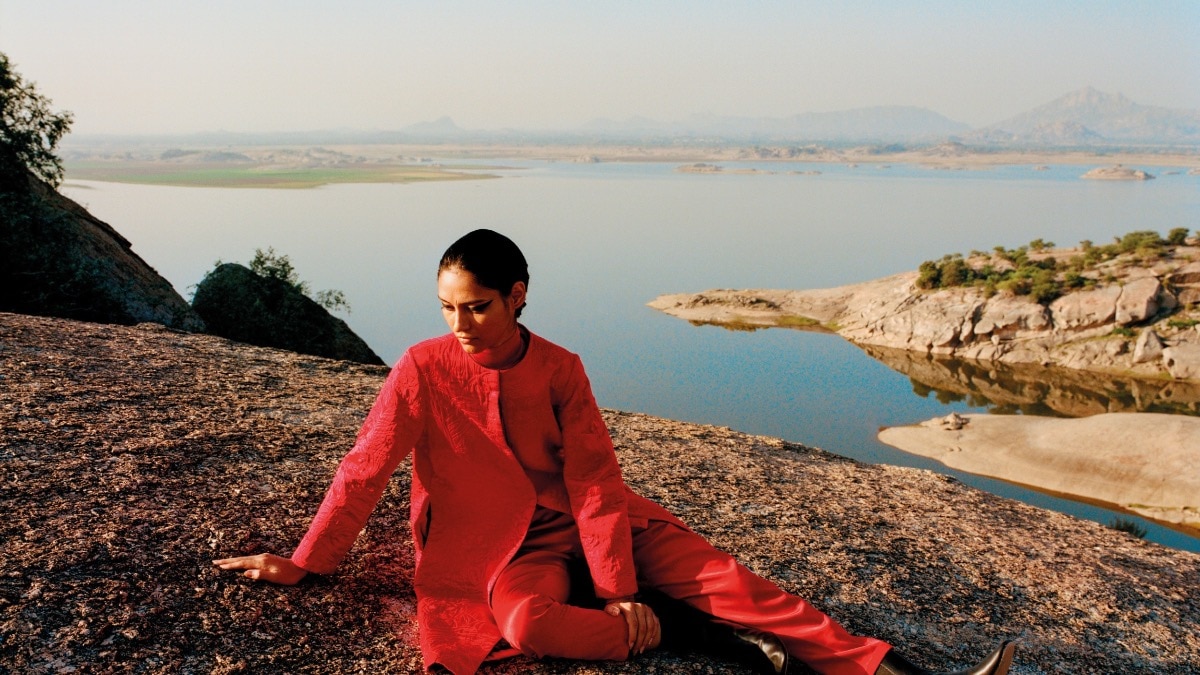
Photo Credit: Hashim Badani
Images: Courtesy Chanakya International and Foundation
This article originally appeared in Harper's Bazaar India's October 2026 print issue.
Also read: A reading list for those who like their fiction unconventional
Also read: Earthy home décor pieces to add warmth and colour to your space
ADVERTISEMENT
Must Read





ADVERTISEMENT