The hottest shopping spree right now? Your grocery run
Once reserved for handbags and shoes, today's biggest status symbols are hiding in your grocery basket.

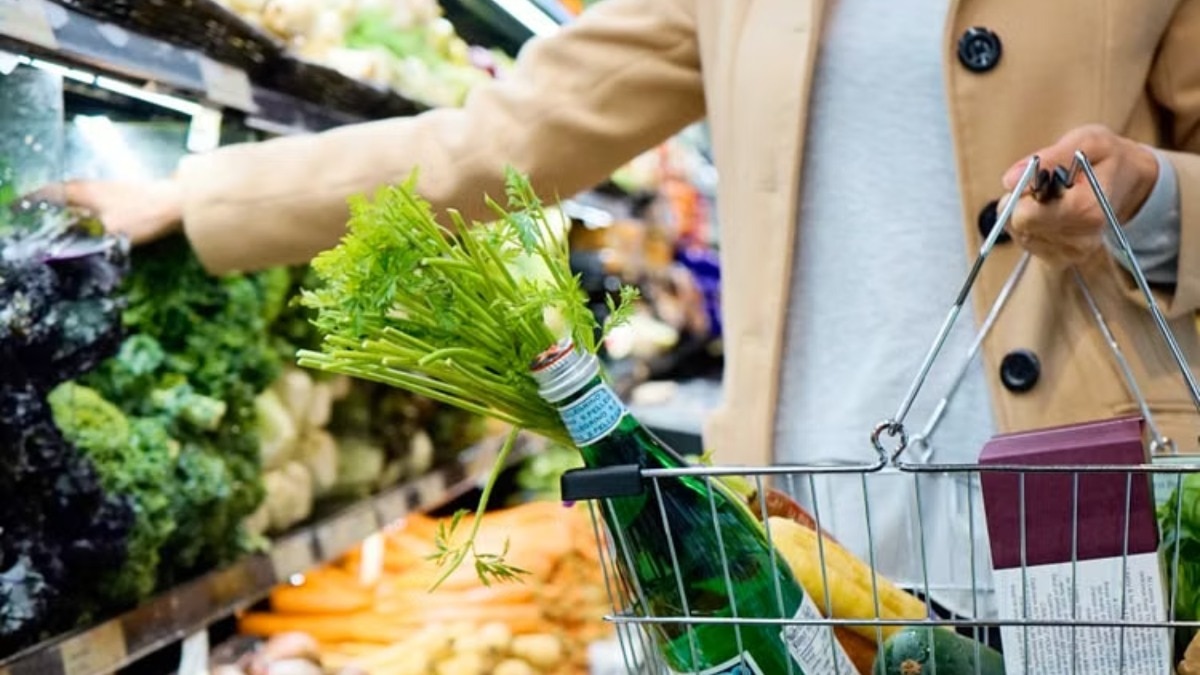
There was a time when luxury solely lived in wardrobes. A designer handbag, an expensive watch, or a pair of coveted heels told the world you have arrived. Today, that same conversation is happening in the supermarket aisle. A tin of ceremonial-grade matcha, imported sparkling water, grass-fed butter, single-origin olive oil, collagen powder, protein yoghurt, creatine, and organic berries have now become objects of aspiration and luxury. They are photographed, displayed on marble kitchen counters, and featured in aesthetically pleasing "Sunday grocery haul" videos that rack up millions of views.
It is easy to dismiss this as another social media trend, but there is a bigger cultural shift underneath it. Wellness has started getting deeply intertwined with social identity in a way. What you drink after your workout, the supplements lining your shelf, what cheese goes in your sandwich, and even the brand of salt in your pantry have become indicators of how you live and, increasingly, what you can afford.
As food prices continue to climb across many parts of the world, these products also indicate that investing in health itself is beginning to look more like a luxury rather than accessibility.
Wellness has become a lifestyle language
Food has always reflected culture, but the booming wellness economy has somehow turned it into personal branding. Platforms like TikTok and Instagram have transformed grocery shopping into content. Influencers casually unpack baskets filled with artisanal sourdough and cheese, electrolyte powders, magnesium supplements, and refrigerated probiotic drinks, presenting them as part of an ideal daily routine. And the next thing you know, these products start looking like essentials for anyone hoping to keep up in life.
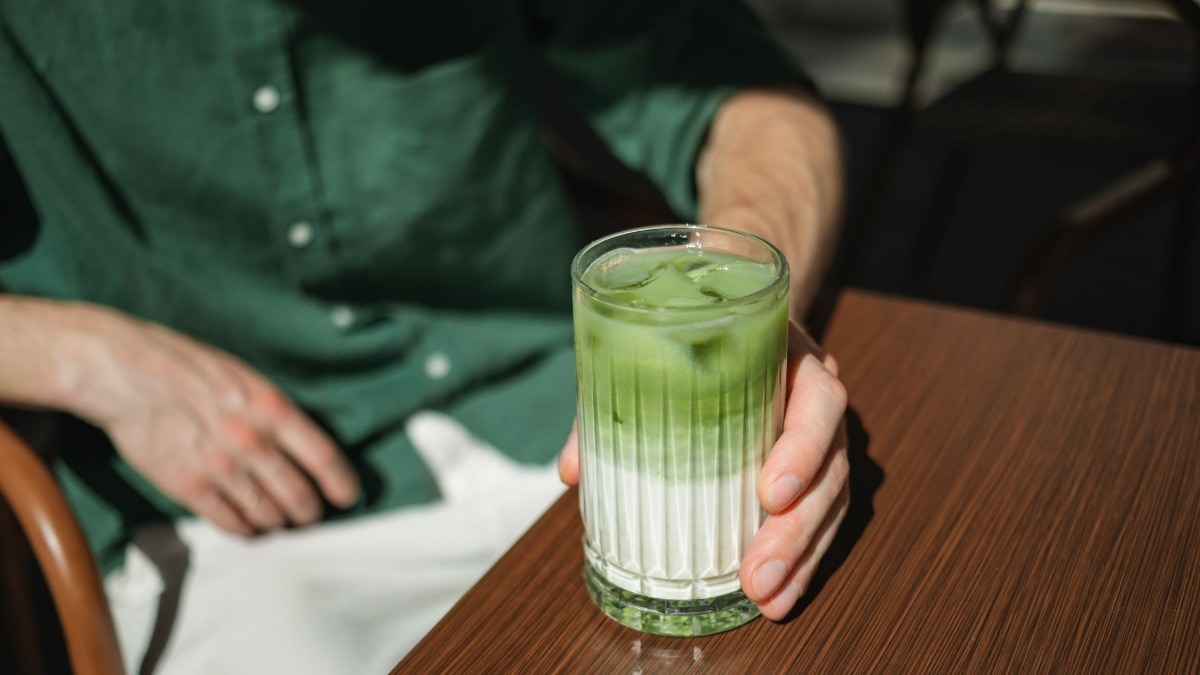
The rise of fitness culture has only accelerated this shift. Creatine, once associated almost exclusively with bodybuilders, is now discussed alongside skincare routines and morning coffees. Matcha has evolved from a traditional Japanese tea into a symbol of mindful living, often replacing the latte in lifestyle posts. Sparkling water has become more than a drink. Whether it is flavoured mineral water or imported brands, it has become shorthand for a certain polished aesthetic.
Brands have understood the assignment. Packaging has become cleaner, colours have become softer, and the messaging is more intentional. Products promise focus, glow, gut health, longevity, and better sleep alongside nutrition. Buying them feels less like grocery shopping and more like investing in a carefully curated version of yourself.
The price of looking healthy
The irony is that many genuinely useful wellness products are backed by research. Creatine is one of the most extensively studied sports supplements, while fermented foods and balanced diets have long been linked with better overall health. But social media often blurs the line between what is beneficial and what is simply fashionable. A kitchen stocked with expensive supplements can easily become a visual shorthand for discipline and success, but is every product on that shelf really necessary for you?
This is also where privilege enters the conversation. A week's worth of premium groceries can easily cost several times as much as a basket of basic staples. Organic produce, imported fruit, speciality coffees, and functional beverages remain inaccessible for many households. Yet online, these purchases are increasingly presented as the baseline for healthy living. It quietly reinforces the idea that wellness is something to be bought rather than practised through affordable habits like eating balanced meals, sleeping well, and staying active.
Perhaps that is why groceries have become today's unexpected luxury accessories. They are practical enough to avoid looking flashy, yet aspirational enough to communicate taste, knowledge, and disposable income. A beautifully stocked fridge with labelled containers and stacks now carries the same social currency that maybe an expensive bag once did. We are still signalling who we are through what we buy. Only this time, the status symbols are waiting in the pantry instead of the wardrobe.
Lead image: Pexels
Also read: The South Indian renaissance: From New York to New Delhi, a new culinary movement is here
Also read: Hear us out: Ear seeding is the wellness ritual your overstimulated mind actually needs