The “good daughter” trope is changing in India, and the old rulebook no longer applies
Today's daughters are proving that love for family and independence can coexist.

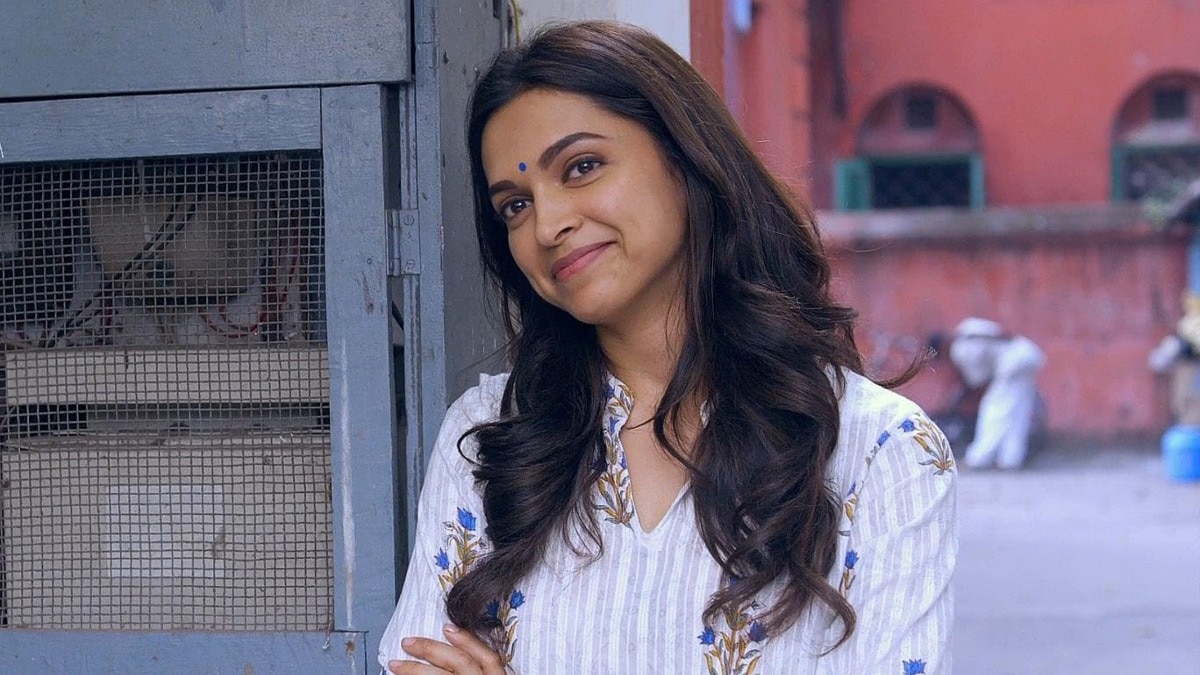
For generations, the idea of the "good daughter" in many Indian households came with a fairly clear set of expectations. She was expected to be responsible, respectful, family-oriented, and often willing to put collective needs ahead of her own. Success was important, but only when it fit comfortably within traditional ideas of what a woman's life should look like. The image was familiar, and for a long time, it remained largely unquestioned.
But today, that definition is evolving, and how. Across cities and smaller towns alike, daughters are making choices that may not have been considered conventional a decade ago. They are moving cities for work, living independently, delaying marriage, switching careers, starting businesses, travelling solo, and speaking more openly about what they want from life. What is interesting is that many are not rejecting family values altogether. Instead, they are expanding what those values can include.
Choosing ambition without guilt
One of the biggest shifts has been around career decisions. Earlier, a daughter's professional choices were often expected to align with stability and practicality. Today, many women are pursuing careers driven as much by passion as by security. Whether it is working in the creative industries, launching a startup, becoming a content creator, or moving abroad for opportunities, career paths have become more diverse.
The modern "good daughter" is increasingly seen as someone who takes her ambitions seriously, not someone who shrinks them to make others comfortable.
For previous generations, a daughter moving out before marriage often came with questions and concerns. Today, living independently has become a valuable life experience for many women. It teaches financial responsibility, confidence, and self-reliance.
While family conversations around the topic can still be complicated, living alone is increasingly viewed less as an act of defiance and more as a practical step in adulthood.
Speaking up about what she wants
Another noticeable change is the willingness to communicate personal preferences. From relationships and marriage to career moves and lifestyle choices, daughters are increasingly participating in decisions that directly affect their lives.
This does not necessarily mean conflict. In many families, it simply means moving away from silent acceptance and towards honest conversations. The expectation is shifting from obedience at all costs to mutual understanding.
Balancing emotion with practicality
The traditional image of the daughter often centred around selflessness. While care and emotional support remain important, many women are learning that constantly putting themselves last is not always sustainable and can lead to pent-up feelings.
Today's daughters are finding ways to support their families while also setting boundaries, protecting their mental well-being, and making decisions based on long-term goals. Being caring and being practical do not have to be opposites anymore.
Perhaps the biggest change is that family values themselves are being reinterpreted. Respect is no longer measured only through compliance. It can also look like honesty, responsibility, financial independence, and the courage to make thoughtful decisions.
The modern Indian daughter is proving that tradition and individuality do not always have to compete. The definition of a "good daughter" is becoming less about fitting into a fixed mould and more about building a life that feels authentic while remaining connected to the people who matter most. The result is a generation of women who are learning that caring for their families and caring for themselves can go hand in hand.
Lead image: IMDb
Also read: The new house party has one rule: keep it intimate
Also read: Are we losing our relationship with language in the age of AI?