




ADVERTISEMENT
Out of frame: How three emerging photographers are redefining the fashion gaze
Three emerging image-makers on finding a photography practice that is entirely their own.

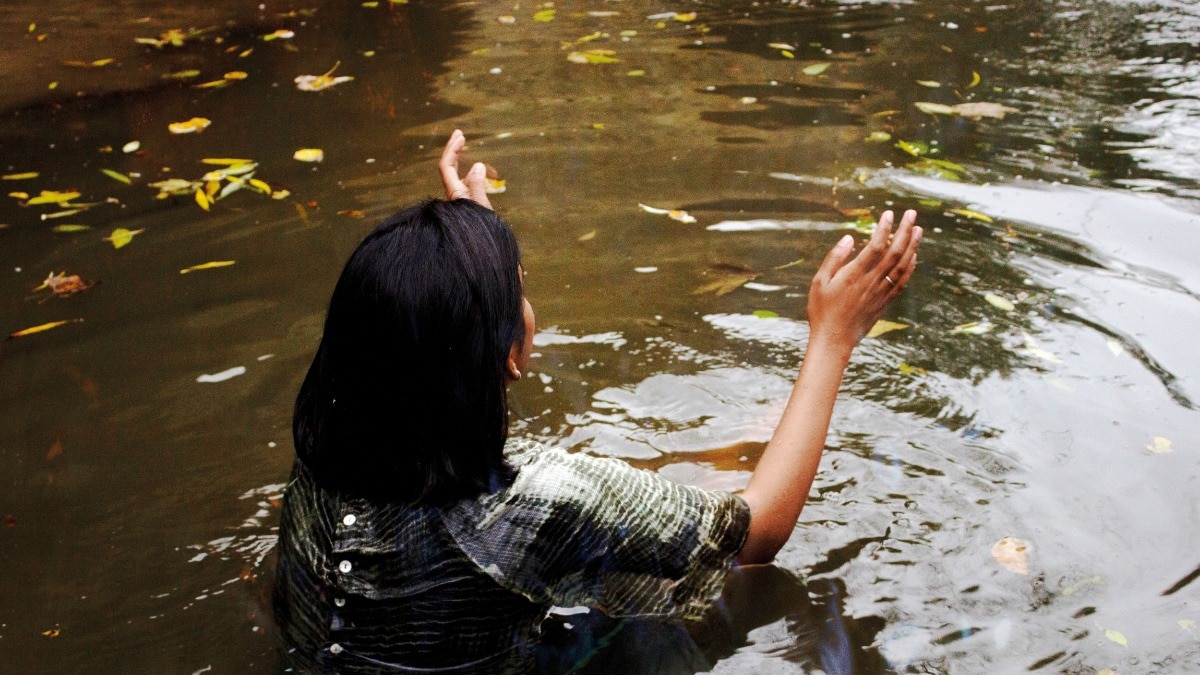
What does it mean to want something more from photography? As a practice deeply embedded in the colonial gaze, it feels natural for image-makers like Aparna Aji to abandon a more Euro-centric fashion image practice and veer sharply into the realm of the absurd and awkward in family photo albums. It was a similar shift for Disha Patil who had enough of working with the conventional fashion gaze—and turned towards the deeply personal where the gaze is softer and leisurely. Hoijoukim Khongsai, who grew up deeply embedded in the codes of a digital generation, needed to bring back a sense of being caught in one’s natural habitat in her photography. We step into the studios of these three fresh voices in image-making fuelled by a need to shift and sit still with their discomfort, which propels their practice.
Aparna Aji
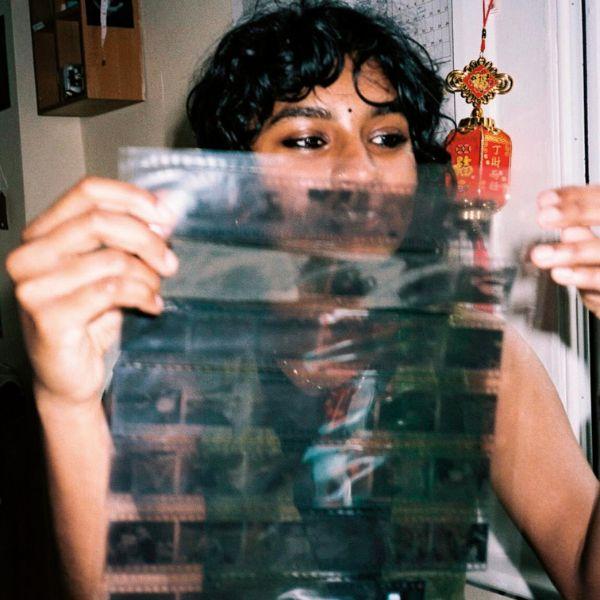
Aparna Aji dials in during her smoke break at Phoebe Philo. “I’m in their visuals department,” she shrugs nonchalantly. “I started three years ago as a little coordinator and now it’s e-coms, campaigns—it’s pretty intense. But I’m also my own person.” The 27-year-old vehemently proclaims that in a selfportrait where a cropped picture of her grandmother’s eyes has been imprinted on a handkerchief draped over a chopping board as she stands midway through the door as if having a conversation with someone in another room—a mirror on the side completing her other half. “It’s a conversation with my grandmother in the kitchen,” she says. “There was a point in my life when I was like, there’s no way I’m cooking—but all the women were there, gossiping and dissecting their lives. So, I would sit in and listen. The portrait shows that relationship with my grandmother and those women —halfway here, halfway there.”
This perpetual lurking seeps into her love for looking at everyone’s family albums and finding the awkward looks, bad photographs, and accidental chemical spills and revelling in how it makes her look towards her inner life. In a portrait she’s almost sewing blood-red beads onto her mother’s head which emerges from a white paper shroud like a chicken breaking out of an egg. “I was almost reverse birthing her,” she laughs. “That was my interpretation of my mother and me.”
She adds that she likes when photos look like mistakes. “You embrace the image as is, frozen in time.” It was a mistake when she realised she’d taken a picture of her friend doing yoga upside down, making it look as if she were a ghoul hanging from the ceiling as the red streaked marble floor became her veiny lair. “I kept it that way as I like when my photographs are on the surreal side,” she smiles.
While studying fashion image at Central Saint Martins, she decided she’d become an image-maker. She was also reading a lot of theory and had her nose down in colonial photography books and when she looked again at a fashion image—mid-century specials with elephants and brown people in the background—she liked it less. “My photography became an annoyed reaction to those,” she admits.
Performance is important to Aji whose work, Three Days Five Nights Only, is a digital jigsaw puzzle made from her photographs—we see as we listen to street sounds and festival ruckus mingled with her own voice. If there’s one thing Aji doesn’t want is her visual language lazily relegated to the category of only being South Asian.
Disha Patil
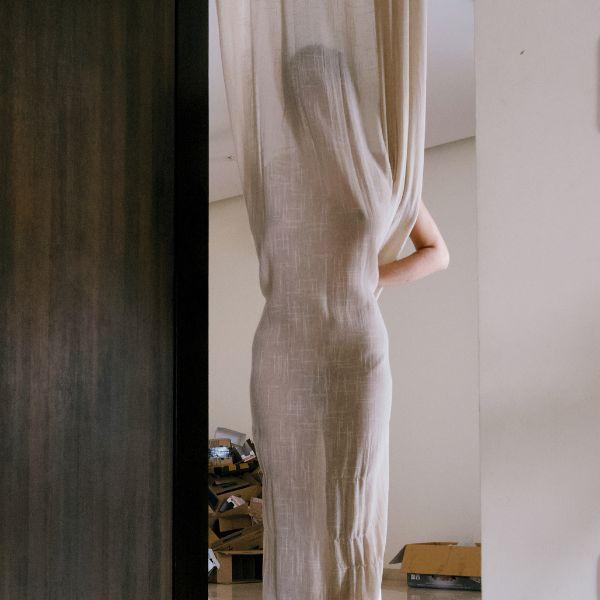
Disha points to her cats as the ones she looks to for creative rebellion, as they amble around her Delhi flat. It’s an odd sense of familiarity which settles in as I see the playful photographs of her cat curiously sniffing ice held between her feet, or her partner sleeping, one arm dangling from the bed. These photographs are infused with the quietness of a summer afternoon. Patil’s gaze is that of a lover’s with endless fascination towards the body—including her own—in an urgent desire to see it differently. “Most of the times I’m very uncomfortable in my body,” she says as we look at her self-portraits where limbs entangle and morph into postures right out of mid-century Indian physique manuals. “Women grow up with a lot of shame around their bodies and through my self-portraits I have an out-of-body experience where I don’t completely dislike what I’m seeing, and I can look at myself again in a new light.”
Disha searches for sensuality around her in expanses of skin with prickly body hair and in nature as a flower’s stamen juts out from its petal. “It’s very easy to explore sexuality through photographs as you have so much privacy to yourself—so much time and indulgence,” she adds. “Nature adds to the evolving part of sexuality as something constantly changing.”
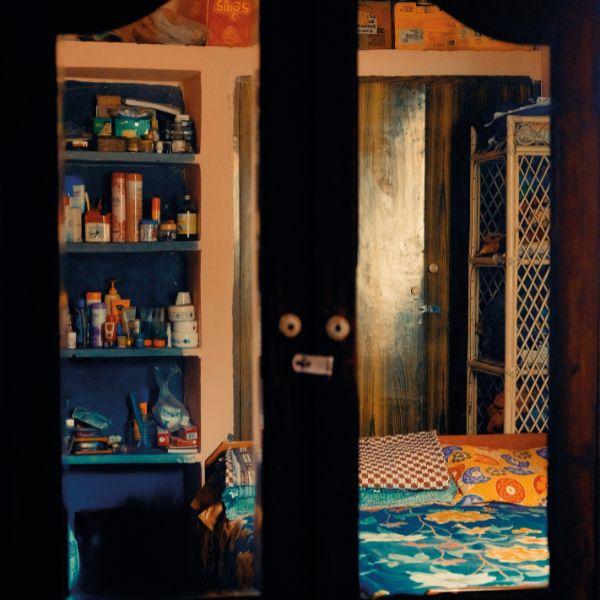
This sensuality translates into the way she sees fabric in the wild photographing paper-thin linen folds or how a shirt wrinkles around the body like second skin. It’s refreshing to think of clothing like that, she admits, after a hectic knitwear course at NIFT and a brief stint at Manish Arora. “I am someone who gets bored easily and I was getting too used to see fashion images a certain way,” shrugs the 30-year-old who has come to shape the house photography of Bodice. “It was at Bodice where the clothes allowed me to move towards a more minimal approach, following their lines—which always fascinate me as I’m surrounded by cats and the broken lines their fur leaves on me.”
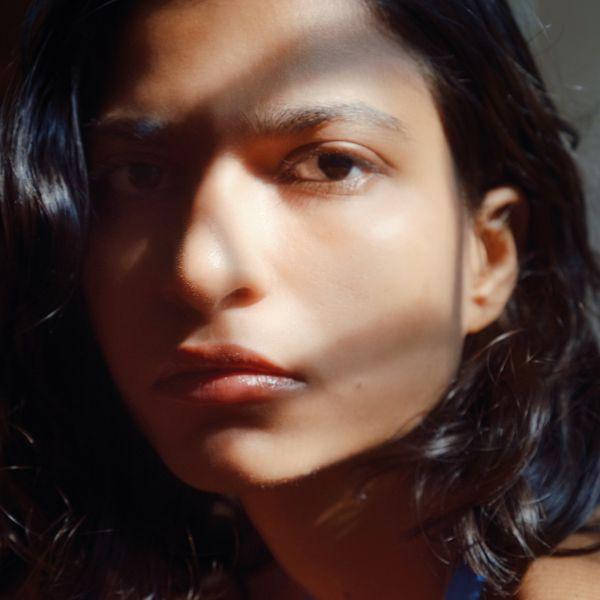
Disha felt a sense of calm wash over her when she first fiddled with the camera—and it’s a feeling she holds on to. It’s also her way of vocalising things that she feels can be best spoken about through image—feelings of pain and discomfort as fingers pierce a watermelon and crushed cherries stain fingers red. She holds on to that discomfort when photographing herself. “I need those creative jolts every now and then to continue what I’m doing,” she smiles, “I feel like everyone should photograph themselves, particularly if you’re a woman, as we’re constantly told how we should be. It’s taking back ownership, in a way and being like—no, this is Disha Patil in a self-portrait how I see myself.”
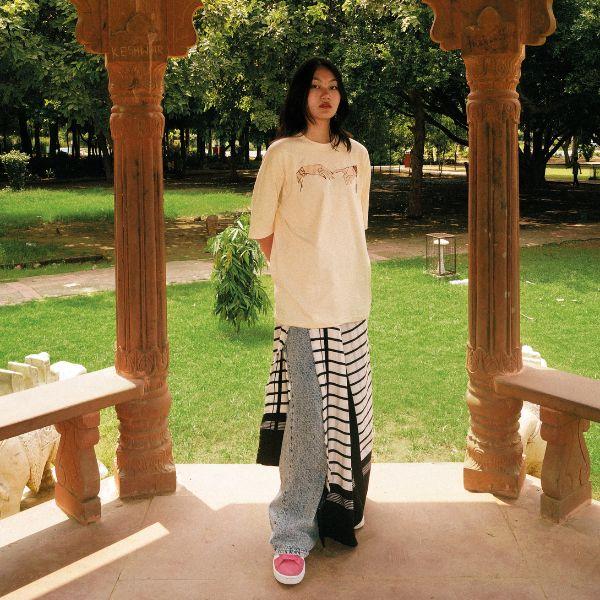
Hoijoukim Khongsai
A boy in a leopard print jacket fiddles with his studded and oversized cowboy belt as he reclines against a tree in Lodhi Gardens—his friend in a distressed pullover leans on him gently, jeans hanging low to quietly show off the brand name Tommy Hilfiger. A piercing on the former’s lip catches the light of the evening sun, even as a hoop earring glints on his friend.
It’s midnight and we’re looking at 23-year-old photographer and stylist Hoijoukim Khongsai’s portraits of her friends in Delhi. “Our Kuki-Zo community is big on Christianity, and we don’t see such edgy faces,” she muses looking at her photograph of her friend Sang in an embroidered top and eyebrow piercings staring defiantly at the camera. “I wanted to visualise that.”
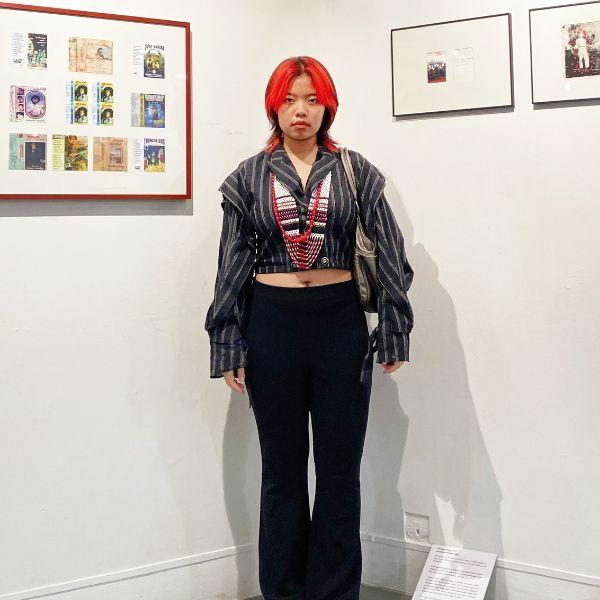
Growing up in Delhi after her family relocated from Guwahati, Khongsai feels like a third culture kid, caught in between two places. “I get very conflicted,” she admits. “This made me want to focus on young people like me from the Northeast, and our style.” In a shoot for the streetwear brand Loko Culture, she styled traditional wraps from the Kuki-Chin-Mizo tribes like the hmar puon as a front-open skirt paired with denims or pleated the mara puan into a sari skirt.
Much of Khongsai’s visual world is shaped by the grainy low contrast imagery and photo collages of early networking sites. Early 2000s Snooki in Jersey Shore was the mood board for styling and photographing her friend Bisola in a khaki bra and denims lounging around Deer Park. “I like it when models are raw and unfiltered in their natural setting,” she says.
Creative consciousness unfurled during the lockdown and saw her styling her friends in layers tearing her old stockings to tie in coquette-core bows, and layering them with old bras and corsets. A crossbody tie hung defiantly above a crocheted top and a casually opened embroidered bra cinched a football jersey. Her school friends certainly thought she was acting out and it took a while to find her creative community. And now, she photographs friends standing atop toilets in sparkly shoes or smoking on the kitchen countertop, wearing those very stockings.
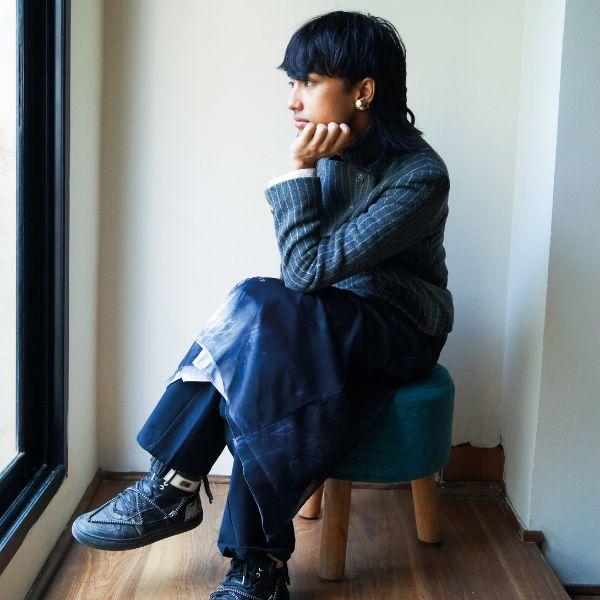
Currently she’s working on a series, titled Boyhood, where she relooks at the men around her. “Ever since I picked up a camera, I understood that the way I capture men and women are very different,” she smiles. “Most northeastern men usually portray themselves as very masculine, and I wanted to turn a softer gaze towards. I challenge their everyday style, and my victims are obviously my friends!” It was them with whom she started her photography journey three years ago. The first time she stepped onto a fashion shoot was also her first fashion job as an assistant for Almost God’s S/S ’22 campaign—and hasn’t stopped since then.
Lead Image: Aparna Aji
This article first appeared in the March 2026 issue of Harper's Bazaar India
Also Read: Pichvai, miniatures, and folk art: How Pooja Singhal, Mandiraa Lambba, and Mamta Singhania collect
Also Read: Is 'Lagree' the new Pilates?
ADVERTISEMENT
Must Read
ADVERTISEMENT