Is 'Lagree' the new Pilates?
A high-intensity, low-impact workout that’s fast becoming a favourite among Pilates loyalists.

Have you ever taken a Pilates class and thought—this could use a little more sweat and strength? If you’re nodding yes, meet Lagree: the spicier, more dramatic cousin of Pilates that’s quietly gathering momentum in fitness circles and all over Instagram.
I first came across Lagree when a friend casually mentioned it over coffee one morning. As someone mildly addicted to movement—five workouts a week is non-negotiable—I immediately fired up Google to find the next available class. In Dubai, where I was at the time, the Lagree wave had already begun to take hold, so naturally I had to see what the hype was about.
At that point, all I really knew was that Lagree is often described as a type of Pilates. A quick search showed a reformer-like machine, and as a Pilates devotee, I wasn’t particularly fazed. How quickly I was humbled. Here’s everything I discovered about the buzzy workout method.
What is Lagree?
Created by fitness entrepreneur Sébastien Lagree in the early 2000s, the Lagree method borrows Pilates’ controlled movements but dials up the intensity. The result is a strength-focused workout designed to push muscles to fatigue without the joint strain of high-impact training.
“Lagree is a high-intensity, low-impact workout performed on a specialised machine called the Megaformer,” says Arpan Kirpalani, a Lagree master trainer with over a decade of experience. “The method focuses on slow, controlled movements that keep muscles under constant tension, creating a deep and effective burn.”
What sets the workout apart, she explains, is that it challenges the entire body simultaneously. “Strength, muscular endurance, balance, and core stability are all working at once,” she says. “The philosophy behind Lagree is precision and efficiency. The way I describe it to clients is simple: you shake, you sweat, and you leave sore—but feeling incredible.”
My Lagree experience
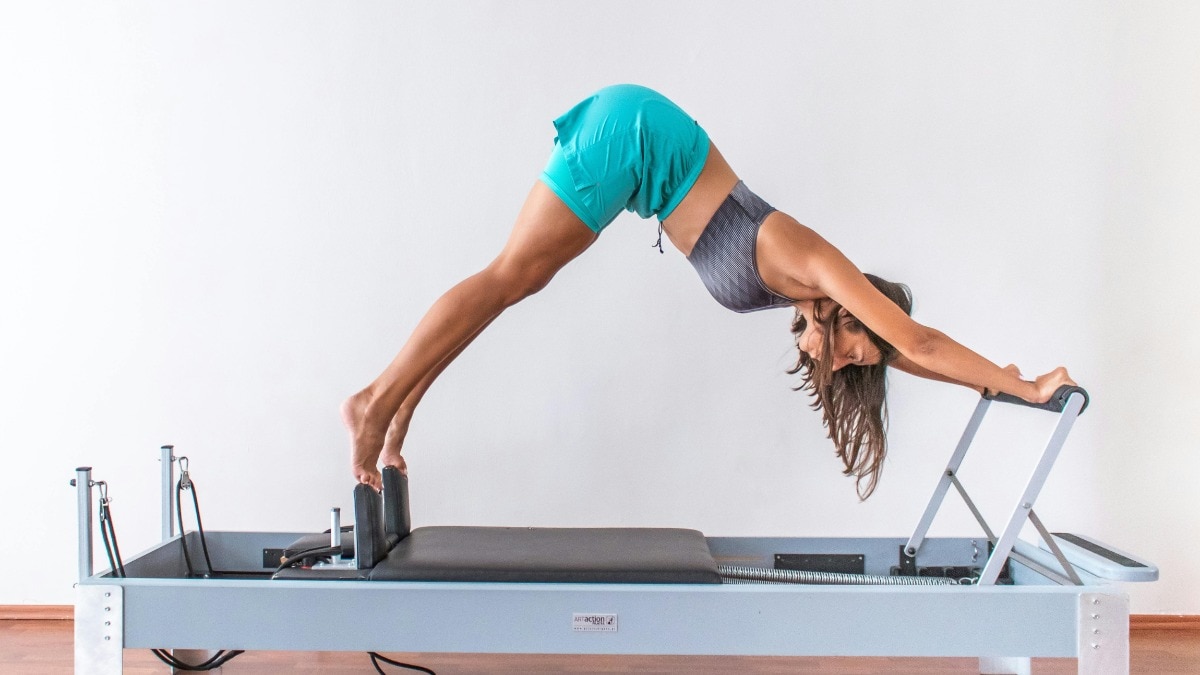
The first thing you notice in a Lagree class is the intimidating Megaformer—a supersized, spring-loaded machine designed to create resistance and instability in equal measure. A torture device, as I’ve come to call it.
Soon into the 40-minute session, I realise that the key to Lagree lies in deliberately slow movements that keep muscles engaged and intensify the strain. Each second feels like an eternity. Unlike traditional Pilates, the workout involves fewer transitions and longer, isolated sets that fatigue muscles quickly.
The lunges are glacial, my core is on fire, and my muscles begin to tremble—the telltale Lagree shake that creeps in halfway through the set. Somewhere between my third plank variation and an aggressively slow lunge, I realise Lagree is a workout that feels calm on the surface but wildly intense underneath. My heart rate stays elevated throughout, giving the session a subtle cardio edge. It’s sweaty, high-intensity training that’s still low-impact—no jumping or pounding, and surprisingly kind to the joints—yet far more challenging than your average reformer class.
The benefits of Lagree
“Lagree is incredibly effective for building strength and muscular endurance while creating a body that feels stronger, tighter and more toned,” says Kirpalani. “Because the muscles stay under tension for extended periods, the workout sculpts and strengthens the body in a very efficient way.”
Part of Lagree’s appeal lies in that efficiency. Classes manage to deliver both strength training and a cardio effect in a single session. Your heart rate climbs, your muscles burn, and you’re out the door in under an hour.
“Anyone can take the class,” Kirpalani adds. “Beginners, athletes and experienced gym-goers can all work at their own level and still feel the intensity.” Fair warning, though—even the most seasoned reformer titans and fitness pros tend to leave the class feeling humbled.
Pilates vs Lagree
Lagree is often compared to Pilates, but the two aren’t interchangeable. Both rely on spring-based machines and controlled movements, yet the experience of the workout feels markedly different.
Pilates prioritises alignment, flexibility and core stability, while Lagree is unapologetically strength-focused. “Lagree is designed to be a far more intense strength workout, where the intensity builds continuously throughout the class,” says Kirpalani. “Pilates is a fantastic practice, but Lagree pushes muscular endurance to another level.”
Neither is inherently better—it simply depends on what you’re after. Pilates tends to leave you feeling lengthened and aligned; Lagree, on the other hand, leaves you pleasantly demolished.
Should you try Lagree?
Is Lagree worth the hype? The short answer: yes. If your goal is a sculpted body—or you simply want to shake up your usual workout routine with a dose of low-impact cardio—it’s well worth adding to the mix. The class leaves you feeling worked but not wrecked. Exhausted, yes—but in an I’ll-probably-come-back-next-week kind of way.
While the Lagree movement is still fairly unexplored in India, Bandra in Mumbai is about to get its first Lagree studio, LSN Lagree, helmed by Kirpalani. “After seeing the Lagree method grow from Los Angeles to the Middle East, I’m excited for the Indian fitness community to discover and fall in love with Lagree,” she says. “It’s a workout that’s intelligent, effective, joint-friendly and built to last.”
Consider this your sign to embrace the shake and crank up the burn.
Lead Image credit: Pexels
Also read: What is the “first in my bloodline” trend taking over the internet?
Also read: We may have traded personality for paperwork