




ADVERTISEMENT
Raghu Rai on losing identity, capturing truth, and a life behind the lens
The legendary photographer passed away on Sunday, April 26, at the age of 83. In this conversation from the March 2024 issue, Raghu Rai talked about being a restless soul, why his political photographs are still relevant, and shared his take on today’s journalism. Here's the story from our archives.

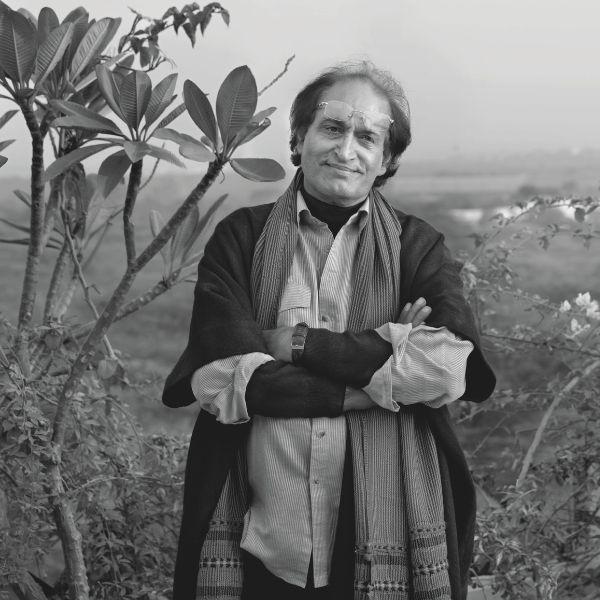
"Even at this age, I am the same guy,” remarks octogenarian and India’s most celebrated photographer Raghu Rai as he walks into his exhibition at the Kiran Nadar Museum of Art in New Delhi’s Saket well before time to make sure everything is in place. Curated by Roobina Karode with Devika Daulet-Singh, Raghu Rai: A Thousand Lives—Photographs from 1965–2005 showcases 300 photographs clicked by Raghu during the first 40 years of his career, with a focus on the mundane life in Indian streets, alleys and roadside. “The more you learn and the more you travel, [the more] you discover,” he adds.
While scanning the exhibition, which was more about the lesser-known Raghu and his extraordinary ability to photograph India and her people, a description for one of the exhibits caught my attention. It read: “I am neither a man nor a woman.” Upon requesting an explanation, Raghu shares an interesting story. “I started photographing Mother Teresa when she was relatively unknown,” he recalls. “Mother was deeply committed, sincere, and loving. She wasn’t keen on the presence of media or photographers as peace gets disrupted. It happened to be an Easter day, I found myself drawn into a sacred moment of a sister making a confession. Men could not freely walk in there, but I got pulled into that and took a few photos. A senior sister, furious, demanded, ‘Who allowed you in here?’ Sheepishly, I replied, ‘Mother did’. Taken to Mother Teresa, I explained that capturing a sister’s confession is a beautiful human expression, and she agreed. Then I clarified that when I’m taking pictures, I am neither a man nor a woman.” He describes beautifully, “You are not a male or a female photographer. So that by itself takes you right into the depths of situations, because you lose your identity and capture the magic.”
My curiosity piqued, and I couldn’t help but wonder: had he ever felt overwhelmed by the access to such illustrious personalities? “No. Whether I was photographing Indira Gandhi, Mother [Teresa] or the ordinary people in the streets, I hesitated a bit in the beginning. Because entering somebody else’s space feels a little uneasy. But, once I am into it, they are all human beings to me. Why are my political photos important today? Because I have looked at them with the human eye, and no agenda. Today’s journalism is full of agenda. Journalism, when you take sides, is no journalism, then you’re just serving each other.”
A civil engineer who took to photography at the age of 23, Raghu says unlike people of his age, he is still a restless soul. Asking about his inspiration to switch from a white-collar job to photography, Raghu shares a rather interesting story. “I saw a baby donkey standing and looking very strange and sweet, a little furry thing. You know, usually donkey is the image that nobody likes, but that little fella was looking so cute. And then I took some pictures of the children with an old lady. So that was my first attempt,” the 81-year-old recalls. His elder brother, who was a senior photographer at that time, sent Raghu’s shots to Times London. It got published in the half-page weekend photographs section. A donkey receiving praises, and seeing his name on the page, are some of the few reasons Raghu got on this photographic journey.
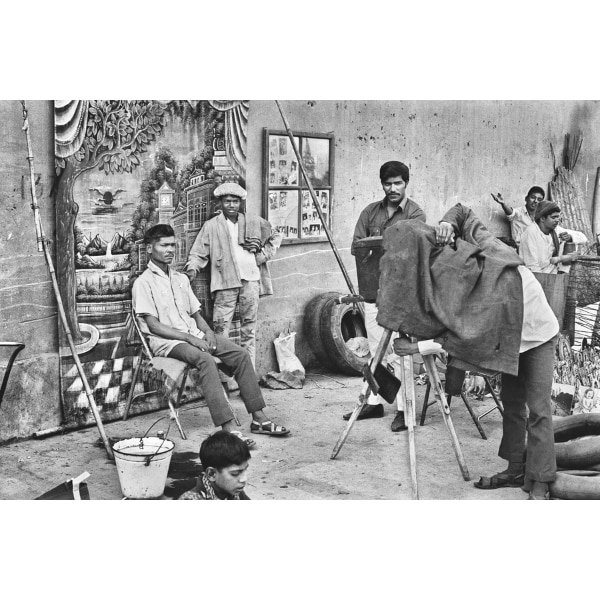
The photographer, who boasts a six-decade-long career and says he still has a lot more to accomplish, has only one advice for today’s generation—unless you have the passion and madness, you only stay at one level.
“When most people take pictures, they take from the memory they have about things. They don’t explore afresh on their own. And that’s why many of the people who are pursuing photography are reproducing similar kinds of images and Instagram is full of that colourful nonsense. So, unless you come from the heart, nothing will work out.” Delving into the matters of the heart, I gently inquired about how he met his wife. “That was also hard!,” he quips. “She was learning pottery from one of our very respected potters. We used to call him ‘daddy’. I happened to drop by to see a friend, and there she was—pretty and nicely doing her thing. So, this is how we started dating,” he laughs.
While we near the end of our conversation, Raghu shares a story from his days as a photojournalist. “When I was with The Statesman, a certain news editor was known for his thick glasses and dedication to doing his best. One day, young Raghu goes to this editor’s room only to find his forehead creased with tension. When I asked, ‘Apka iss akbhar mai kya kho gaya hai jo aap dhoond rahe hain [What personal belonging are you searching for in this newspaper]?’, the editor said, ‘You know Raghu, these people are careless—the expressions, the English nothing works out! You have to read the whole thing’.” To this, Raghu told the editor, “Why are you taking this so seriously? The world out there is much larger and ever-changing.”
Meeting the father of photojournalism in India did not teach me photography, but I did learn a life lesson: we tend to get caught up in minor things and the best option is to just let them be.
This article first appeared in the March 2024 issue of Harper's Bazaar India.
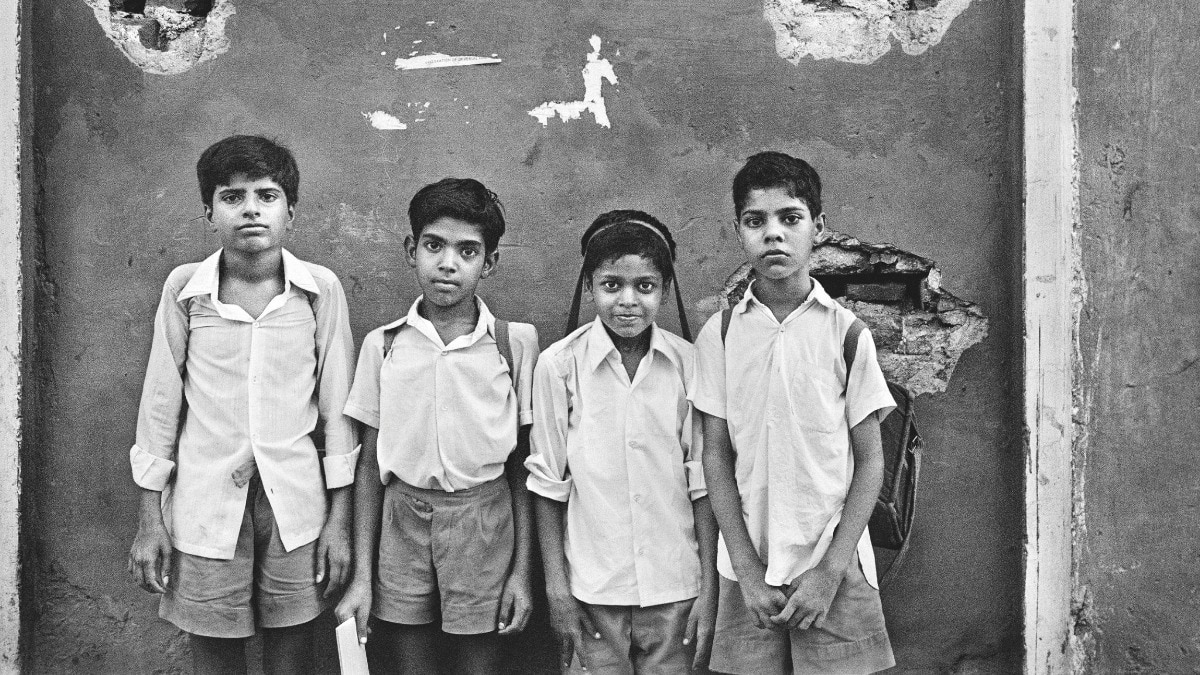
Lead image: Series: Confessions of a Wall (1973-1977); Photograph courtesy: Raghu Rai & PHOTOINK; Collection: Kiran Nadar Museum of Art
Also Read: You don’t get to define him, Ahan Shetty does it for himself
Also Read: Rasika Dugal on perception, patriarchy, and the roles women are finally claiming
ADVERTISEMENT
Must Read

ADVERTISEMENT