Hot people hobbies: Why everyone suddenly has a hyper-specific personality trait
In the age of social media, hobbies are no longer just pastimes, they are identity markers.

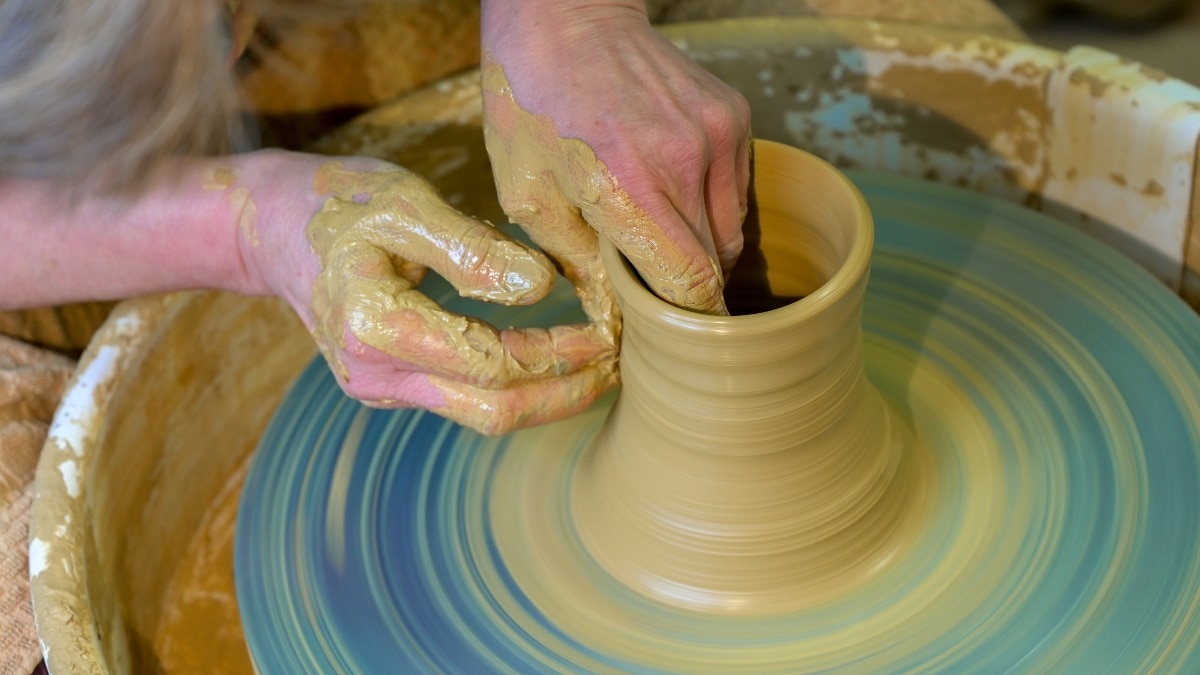
There was a time when hobbies lived quietly in the background of our lives. You read a book, went for a run, maybe baked on weekends. But today, hobbies have stepped into the spotlight, becoming carefully curated extensions of who we are. Scroll through any social feed, and you will see it instantly: someone is training for their third marathon, someone else is documenting their pottery journey, and another has turned coffee tasting into a full-blown personality. The hobby is no longer just something you do; it is something you show and something you are.
What is striking is how specific these interests have become. It is not just reading, it is marking literary fiction with pastel tabs. It is not just fitness, it is Pilates at sunrise or Hyrox training. Even leisure has levels now; the more niche, the better. In a crowded digital world, a hyper-specific hobby is apparently what sets you apart.
The performance of personality
Social media has transformed hobbies into visual language. A morning run is not just a run, it is a neatly-tracked route, a curated playlist, and a post-run matcha. Knitting becomes slow living, and baking sourdough becomes a coping ritual. These activities are not just activities anymore, but are framed in a way that tells a story.
And mind you, this performance is not completely inauthentic. Often, it begins with genuine interest. But sharing it online shapes how the hobby evolves over time. You do not just enjoy it, you consciously refine it, make it aesthetic, and eventually, you become known for it, and a mere hobby becomes a part of your entire identity and personality.
The appeal of being niche
There is a reason hyper-specific hobbies resonate right now. In a fast, overwhelming world, they offer control and clarity. Training for a marathon gives structure, learning crochet yields tangible results, and joining a niche book club helps you meet people who share similar quirks more conveniently.
Being specific also translates to expertise. Anyone can say they like coffee, but saying you are into single-origin beans and home brewing techniques suggests depth. It is subtle, but powerful. It tells people that you have invested time and attention, two of the most valuable currencies today.
The aesthetics of effort
Many of these hobbies share a common thread: they look good. Rock climbing gyms, ceramics studios, farmer’s markets, and independent bookstores all come with a certain visual appeal. They are spaces that photograph well and feel aspirational.
Even hobbies that require effort are presented with ease. Early-morning runs, ice baths, and journaling routines, all framed by soft lighting and calm music. Effort becomes aesthetic, making discipline look more desirable.
Is it all just a trend?
It is easy to dismiss this as another fleeting internet phase, but it can also be seen as people searching for meaning, routine, and individuality in this fast-paced, chaotic world. And the idea of hobbies has always existed. The difference now is visibility. What was once private is now public and even hyper-curated, to the extent that it forms a part of our personality.
It also comes with the pressure to always have a “thing.” The pressure to be interesting. But the best hobbies still hold onto their original purpose. They give you joy, they slow you down, they make you feel like yourself.
Lead image: Getty
Also read: Not quite 'The Devil Wears Prada': What it’s really like to work at a fashion magazine
Also read: Why is going '50–50' with friends awkward?