Here's why everyone wants to have a 'French Sunday'
The art of doing nothing might just be the ultimate reset.

If summer 2026 has a defining mood, it isn’t louder or faster—it’s softer. Somewhere between burnout and boundary-setting, a new kind of aspiration is taking shape. Not the kind you can optimise, monetise, or turn into a morning routine, but one you can simply feel. Enter the “French Sunday”: a quiet idea that asks a radical question in the age of hyper-productivity—“what if you did less, on purpose?”
The premise is simple, almost deceptively so. Borrowed from a long-standing French cultural rhythm where Sunday isn’t for catching up, it’s for tuning out. No errands, no life admin, no scaries disguised as productivity. Instead, the day unfolds slowly: coffee that lingers, brunches that stretch, walks without a destination. It’s less about what you do and more about how you do it, unhurried, unstructured, and entirely your own.
Of course, the internet has done what it does best: turned it into an ‘aesthetic’. On TikTok and Instagram, the “French Sunday” arrives filtered through soft linen, golden light, and just the right amount of nonchalance, somewhere between Emily in Paris fantasy and a Sofia Coppola frame—fresh croissants, undone hair, a touch of flirtation, and nowhere urgent to be. But beyond the moodboards, there’s something more substantial at play. Because while the French may have mastered the art of doing nothing, the rest of us are only just learning how to stop.
In cities like Mumbai and Delhi, where ambition is a lifestyle and busyness a badge of honour, the idea of protecting an entire day from productivity feels almost indulgent. Sundays here are often just Saturdays in softer clothing: brunch plans, social obligations, a looming to-do list that quietly follows you from room to room. Rest (if it happens) is scheduled. Leisure needs to be earned. Which is precisely why the French Sunday feels so appealing right now. It reframes rest not as a reward, but as a requirement.
At its core, the philosophy resists the urge to maximise time. There’s no checklist, no “ideal routine,” no pressure to emerge from the day as a better, more efficient version of yourself. Instead, it invites you to lean into the in-between moments. Sitting by the window a little longer than necessary. Letting your coffee go cold because you got distracted by your thoughts. The French have a word for this: flâner—to stroll aimlessly, observing the world without intent or urgency. It’s a concept that feels almost incompatible with modern life, where even downtime is tracked and optimised. And yet, that’s exactly the point.
There’s a reason this mindset is resonating now. After years of hustle culture (of side gigs, early morning routines, and the constant pressure to do more), we’re collectively hitting a wall. Burnout isn’t just a buzzword anymore; it’s a baseline. In response, a quieter kind of luxury is emerging—one defined not by what you own, but by how you spend your time. It’s the same energy that has Bella Hadid retreating to slower living, or Zendaya stepping back between moments instead of overexposing herself to them. Less constant visibility, more intentional presence. We’re already seeing this shift play out across culture.
The rise of “soft living,” the return of analogue pleasures, and the renewed interest in rituals that don’t require documentation. Even beauty and fashion are reflecting it—skin that looks like skin, clothes that prioritise ease over statement. It’s less "look at me", more "leave me alone" (but make it chic). The French Sunday fits seamlessly into this new value system. It’s not about escaping your life, but about inhabiting it differently—even if just for a day.
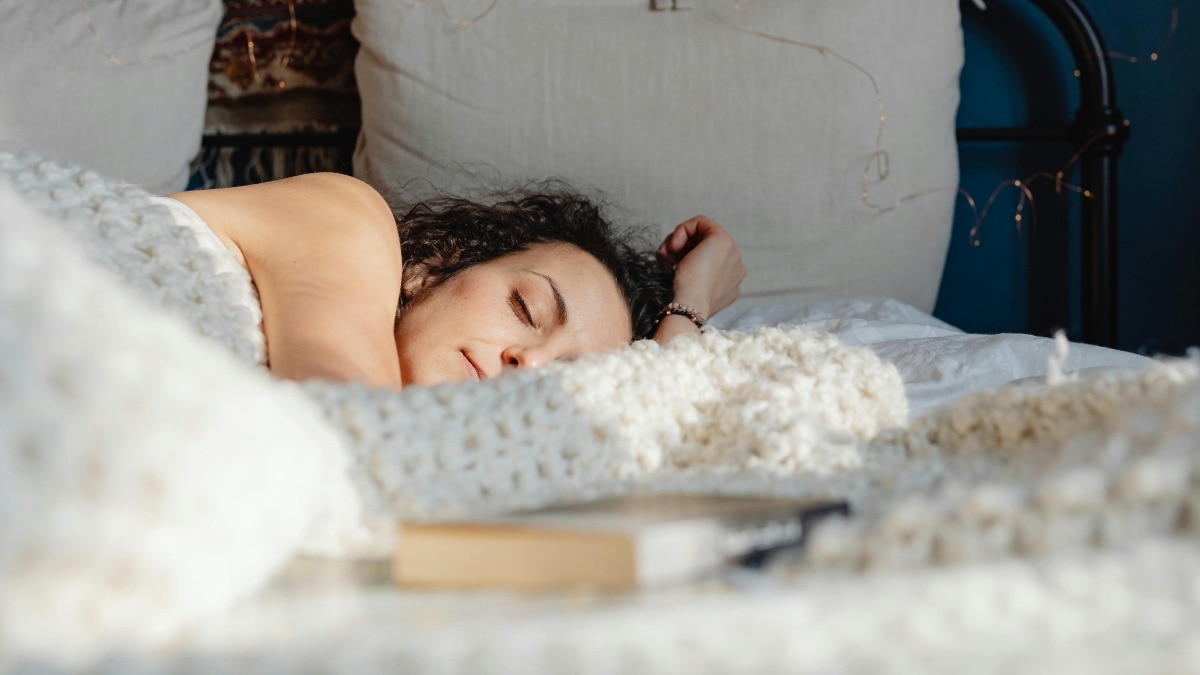
And no, you don’t need a Parisian apartment to participate. The appeal of the French Sunday lies in its adaptability. It can look like a solo morning spent reading, a long, meandering lunch with friends, or an afternoon nap that turns into early evening. It might include cooking something slow, or ordering in and eating it on the floor. It might even include, depending on your mood, a little romance—the kind that feels less performative, more Before Sunset than algorithm-approved.
In a culture that rewards constant motion, choosing stillness becomes its own kind of statement. Not announced, not aestheticised—just lived. In a world that constantly asks for more, the French Sunday offers something far rarer: enough.
Lead image: Pexels
Also read: Here’s how to channel “main character energy” at work yet not consume the room