'Wuthering Heights' was never meant to be this beautiful
What happens when one of literature’s angriest romances is reframed not as a wound, but as an image?

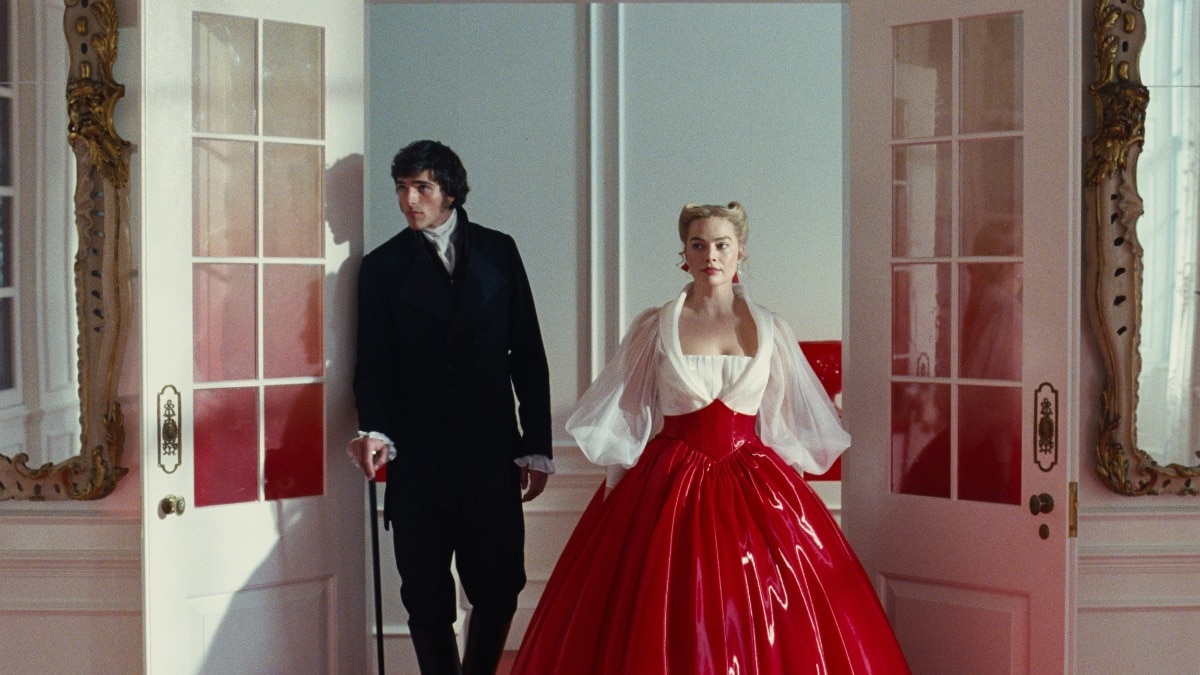
When I walked into watch Wuthering Heights, I was ready to be undone. This is, after all, a story built on emotional ruin. Instead, I found myself admiring it. Responding to its images. Registering its beauty before its devastation. That distance feels revealing.
Emerald Fennell’s adaptation understands how obsession should look. It knows how to frame longing, how to shape emotional violence into something precise and luminous. What it resists is surrender. For a narrative that once felt destabilising, this version allows you to remain intact.
The scale of the reaction only reinforces that shift. On TikTok and beyond, the film has circulated as proof of feeling: anguish rendered into images, devastation into cultural currency. It has become something you encounter first as a spectacle, then as a story. And in doing so, it reveals something about the moment that produced it. We no longer seek emotional devastation as a form of confrontation. We seek it as an experience we can observe, absorb, and move on from.
Safe access to chaos
This adaptation preserves the outline of that darkness while transforming its texture. Heathcliff and Cathy remain bound to each other with destructive gravity, but their volatility never fully escapes control. Their impulses are shaped into something you can interpret without being destabilised by it. The damage registers symbolically rather than viscerally. It exists as an atmosphere.
This is not dilution so much as filtration. The chaos is still present, but it has been processed into something coherent and legible. You witness the destruction without being consumed by it.
When danger becomes legible
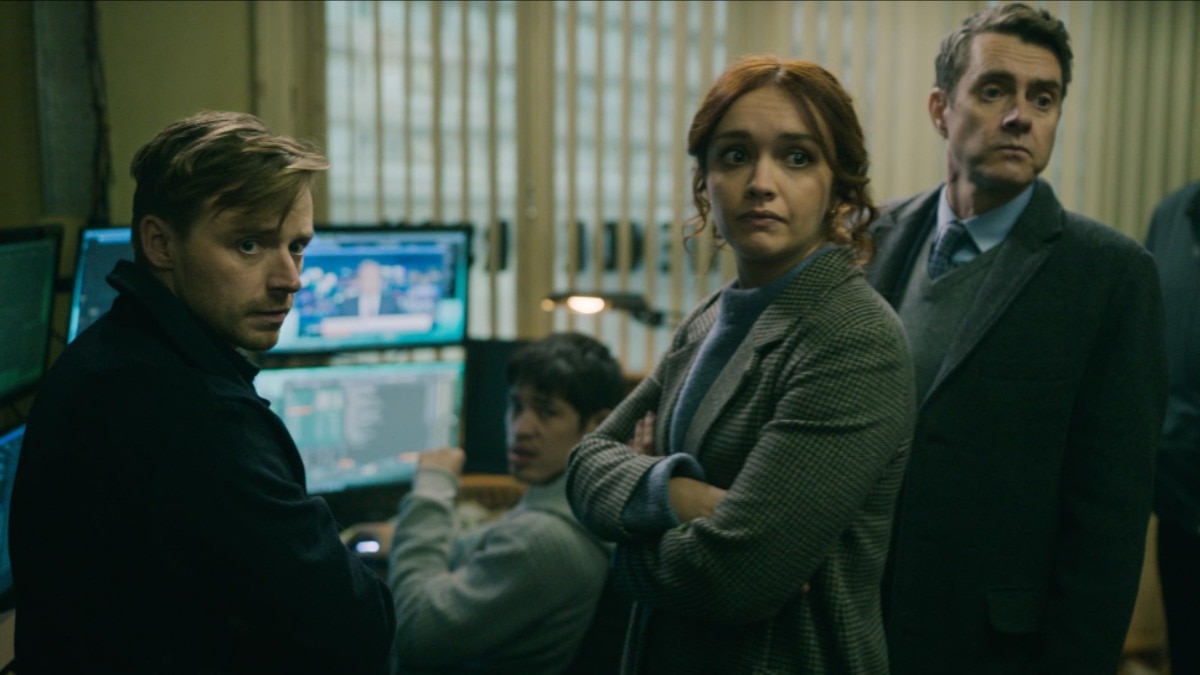
Opposite her, Jacob Elordi’s Heathcliff embodies longing more readily than threat. His anger is structured. His pain is readable. What disappears is the sense that his emotional life exists beyond explanation or control. His danger becomes something you can recognise, rather than something you fear.
This shift reflects something broader than performance. Contemporary culture has developed an appetite for emotional extremity, but only in forms that remain interpretable and contained. We embrace the idea of emotional chaos, provided it never fully escapes aesthetic control.
Devastation as visual language
What emerges is not emotional collapse, but emotional design.
This distinction matters. Increasingly, cultural objects are engineered not only to be experienced, but to circulate. They must exist simultaneously as narrative and as artefact, as story and as image. This Wuthering Heights understands that dual function. It is built to resonate beyond the cinema, to persist in fragments: stills, clips, performances, impressions.
But devastation does not survive translation into an image without transformation. Once emotional destruction becomes visual language, it becomes manageable. It can be admired without being endured.
What this reveals about us
This film reflects that instinct. It offers devastation as an encounter rather than a transformation. Something to observe, not something that alters you. In doing so, it adapts not just Wuthering Heights, but our diminished tolerance for emotional risk. The original story confronted readers with emotional violence that refused resolution or distance. This version allows you to remain safely outside it.
I left impressed by its craft, but more struck by what its restraint represented. The film doesn't weaken the story so much as reveal the conditions under which stories now exist. They must be legible. They must be shareable. They must survive translation into image.
The moors remain wild. What has changed is our willingness to be undone by them.
Lead image: Warner Bros. Pictures.