




ADVERTISEMENT
How India’s creative class is reimagining the private club
How members-only clubs across India are becoming cultural living rooms.

On a humid Mumbai evening, the city’s usual soundtrack of never-ending traffic, big ambitions, and thin patience softens the moment you step inside one of its new members-only clubs. Here, conversations slow down and there is no pressure to perform.Across India, a quiet shift is underway. Members-only clubs are being reimagined as cultural living rooms. Places where film screenings coexist with poetry readings, where jazz nights sit comfortably alongside Pride conversations and mentorship circles. The modern club is no longer an escape from life, but a place where all its facets can meet.
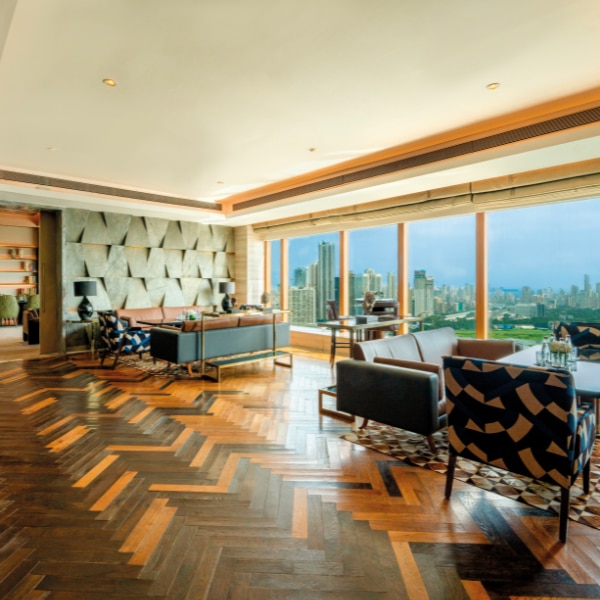
At Soho House Mumbai, this idea of a space that holds you through the day and into the night is central. “Luxury today isn’t really about spectacle or showing off,” says Kelly Wardingham, Regional Director, Asia, Soho House. “What people value most now is how a place makes them feel over time; a sense of ease and belonging.” Housed in an 11-storey townhouse overlooking Juhu Beach, the club is designed for what Wardingham describes as“morning,noon,and night”—a place where a workout, a meeting, a swim, a film screening, and an unplanned conversation can unfold without friction.
That sense of flow mirrors the way creative lives are actually lived in contemporary India. Boundaries between work and friendship,ambition and introspection, are increasingly porous. Soho House’s membership reflects this hybridity: filmmakers alongside architects, musicians next to fashion stylists, emerging voices sharing space with established ones. “What connects them isn’t status, but a commitment to craft and curiosity,” Wardingham insists. For many, the venue becomes a weekly constant in an otherwise intense city.
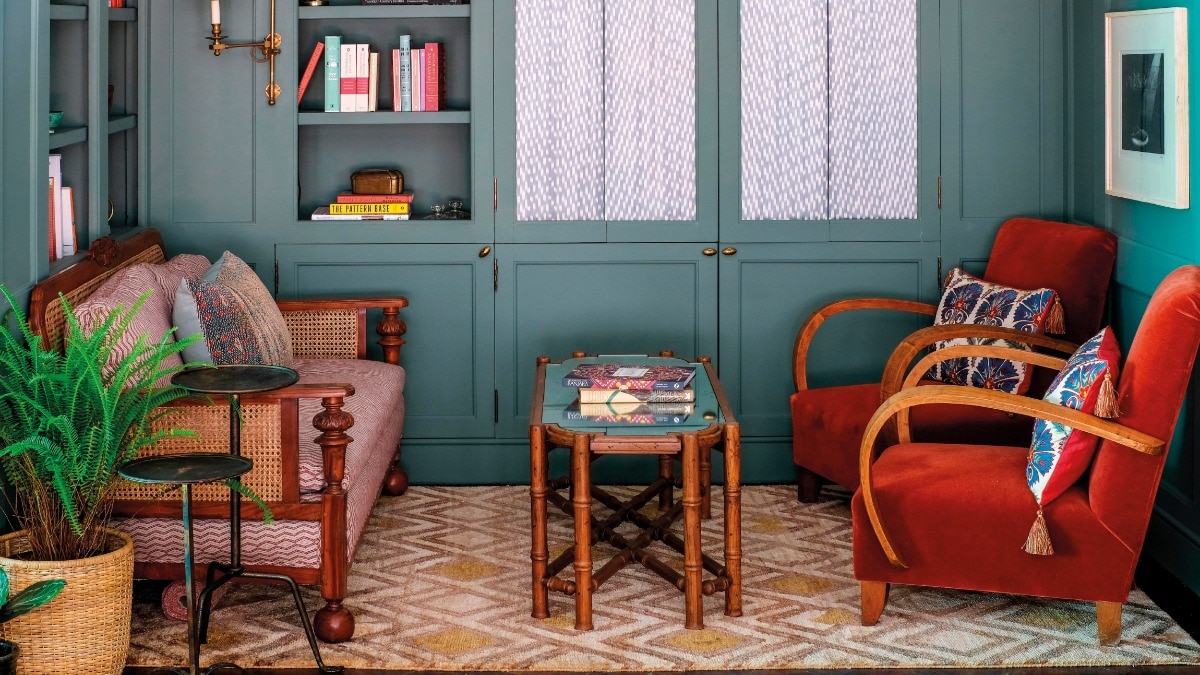
At Soho House, luxury is embedded in texture and memory rather than shine. Block-printed Rajasthani textiles, antique teak furniture, reclaimed wood and sari- fabric lampshades root the space in India’s material culture.With over 200 artworks, mostly by homegrown artists, adorning the space, Soho House celebrates culture on a daily basis.
At St Regis Mumbai too, there is a similar shift of focus from opulence to emotional intelligence.“Luxury, to me, is no longer about chandeliers or caviar,” says NishanthVishwanath, Multi-property General Manager. “It’s about being seen, heard, and understood in a world that moves too quickly.”
What defines these spaces,Vishwanath suggests, is not how exclusive they are, but how authentic they feel. “People today come seeking a sense of ease the moment you walk in,”he says.“When a place feels personal and comfortable, it naturally becomes an extension of yourself.”
The programmes at the club follow the same ethos. Instead of grand gestures, there is an emphasis on intimacy: private art gatherings, curated dialogues, tastings designed for conversation.“The new generation isn’t impressed by excess; they’re inspired by meaning,” Vishwanath insists.Dhimaan Shah, Executive Director and Co-CEO of Isprava Group, echoes Vishwanath. “Luxury has evolved from being about access and aesthetics to something far more personal—a mindset and a sense of belonging,” says Shah. Keeping this idea in mind, Solene, housed in a 115-year-old Portuguese home in Moira, is designed in a manner that it becomes less about rhythm and more about pause. “Luxury has evolved from being about access and aesthetics to something far more personal—a mindset and a sense of belonging,” Shah adds.
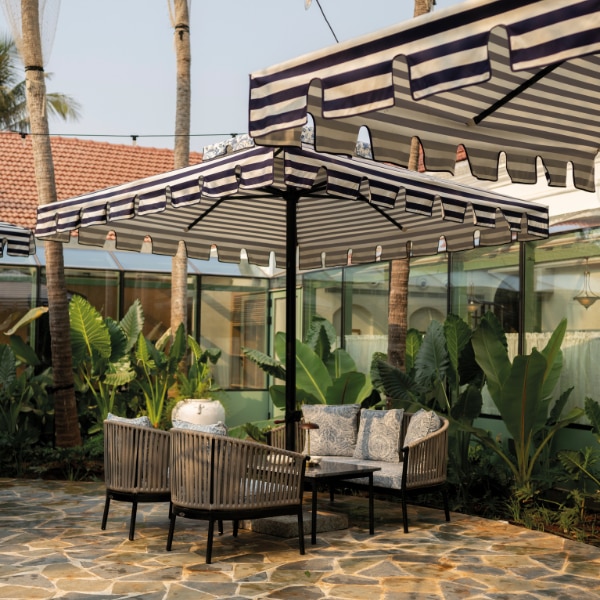
Solene retains its original woodwork, altars and flooring, allowing the house’s past to quietly inflect the present. The design encourages intimacy—verandahs, gardens, shared tables.“Our members are here to be, not to be seen,” Shah says. “That creates a very organic, understated camaraderie.” At Solene, a morning might begin with breathwork, slide into an afternoon of Urdu poetry, and end with live jazz or a spirited board game. “Today’s creative entrepreneurs are multi-hyphenated,” Shah observes, and the club’s cultural offerings are designed to hold both depth and play.
In today’s hyper-connected world,privacy has become the true currency of exclusivity. “At Solene, the most exclusive thing we can offer is a place where you can just be,” Shah says. All these three clubs function as ecosystems rather than stages,allowing different identities and energies to coexist. In doing so, they quietly challenge the old idea of networking as extraction. Instead, they offer something slower and sustainable. And this principle is what make these spaces feel less like escapes and more like anchors—a place to sit with complexity, to be held by community, and to feel that you are exactly where you need to be.
This article first appeared in Bazaar India's February 2026 print edition.
Images: Courtesy the brands
Also read: In Bridgerton’s scandal economy, reputation is currency, just like today
Also read: Why 'ease' is the biggest cultural trend right now
ADVERTISEMENT
Must Read




ADVERTISEMENT