




ADVERTISEMENT
High maintenance, high taste: In praise of being extra (again)
Minimalism had its moment. Bring back effort.

We didn’t wake up one morning and collectively decide to be extra again. This wasn’t a trend pivot. It was a pressure response. We’re tired. Burnout has become a shared language, and when the workday refuses to respect boundaries, grooming becomes the one system that still does.
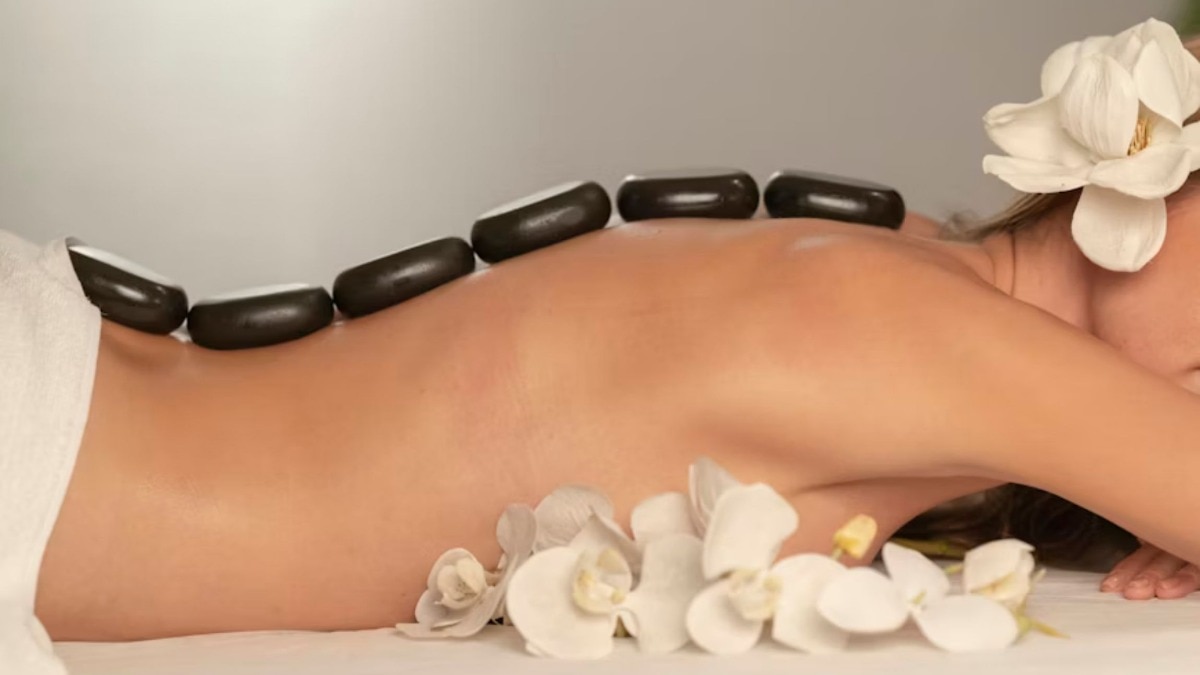
I was reminded of this recently in a spa far from home, the kind of place where you’re asked to lower your voice without being told to, and time loosens its grip the moment your phone is put away. Somewhere between warm stone, hushed footsteps, and steam scented faintly with eucalyptus, nothing was rushed. The calm wasn’t accidental; it had been storyboarded. When the world feels ungovernable, we gravitate toward spaces and rituals where effort still produces ease.
For years, minimalism functioned as an aesthetic alibi. It worked beautifully for corporate life. It asked you to look calm, neutral, and agreeable. The perfect aesthetic for a world that rewards restraint and calls it professionalism. Visible grooming was framed as trying too hard. The vibe was low-maintenance, and the result was predictable: a generation that looks effortless and feels exhausted.
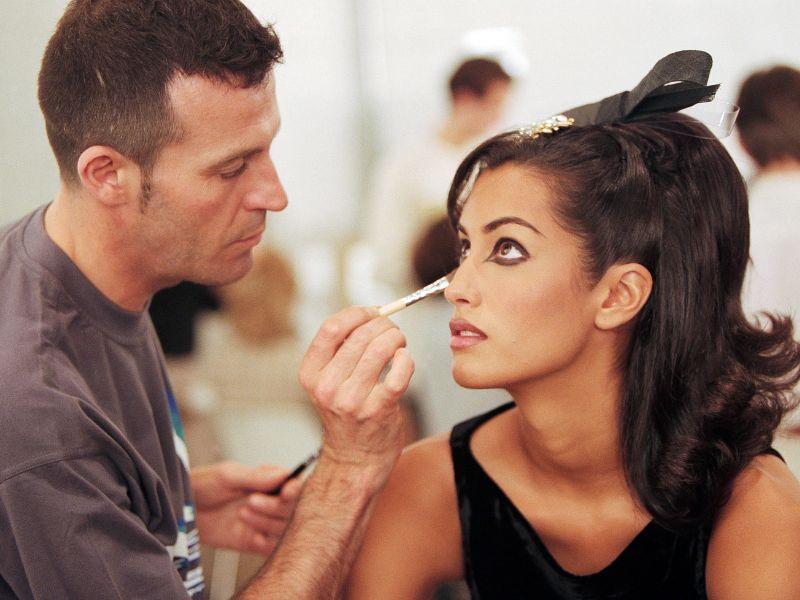
But watch closely, and you’ll notice something shifting. The blowouts are back. Nails are longer. Perfume wardrobes are multiplying. Tailors are booked weeks in advance. We’re entering our "extra" era again, only this time with better boundaries and fewer apologies. Call it backlash or boredom or collective amnesia. I call it taste remembering itself.
Minimalism promised freedom through fewer choices and fewer reasons to care. What it delivered instead was a very specific look that required an unreasonable amount of invisible labour. You were meant to look effortless while quietly working overtime to maintain the illusion, hiding the work and pretending you woke up like this. The difference between 'low effort' and 'considered effort' mirrors the gap between 'fast fashion' and 'tailoring'. One fills space. The other shapes it. A pressed pair of trousers doesn’t just sit better; it subtly changes posture.
Being extra feels refreshing and honest because it admits the work. It shows the seams. It lets effort take a bow. The standing hair appointment that repeats itself every three weeks, like a calendar event you refuse to reschedule. The manicure was booked before the chips appeared. The perfume tray that doubles as an emotional support system, offering options for confidence, mystery, and mild intimidation.
The data supports the shift. Fragrance is among the fastest-growing categories in global beauty, with premium and personalised scents leading the charge. People aren’t content with merely smelling pleasant anymore. They want intention. A scent that reads like a character with a backstory rather than a background extra.
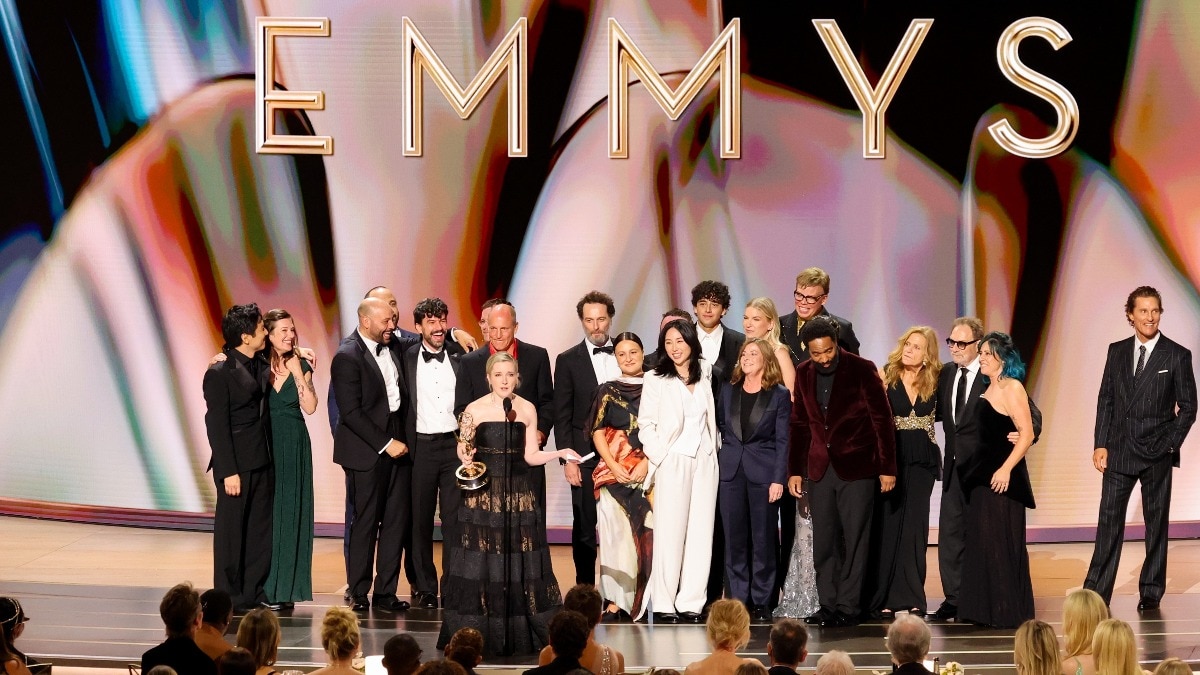
Effort on screen has never read as desperation; it reads as direction. Even mainstream television has abandoned restraint. The White Lotus built an entire franchise on luxury as dysfunction, where excess becomes both seduction and symptom. The clothes are loud, the grooming meticulous, the perfume practically implied. These characters may be unravelling, but they’re doing it with intention, and viewers can’t look away.
This is why the return of effort matters. Being extra, then, becomes less about indulgence and more about authorship. A quiet refusal to let your entire personality be dictated by office hours and Outlook reminders. If the nine-to-five insists on being relentless, the response, increasingly, is polished. Being extra, then, isn’t about doing more; it’s about deciding where effort belongs. And right now, that decision feels like one of the few luxuries still entirely our own.
All images: Getty, Unsplash
Also Read: Body oils that make your skin feel like silk, sans the stickiness
Also Read: Scent, distilled: Inside the world of perfume oils
ADVERTISEMENT
Must Read
ADVERTISEMENT