




ADVERTISEMENT
With only 1000 tourist rooms, AlUla is slowly becoming the most coveted city to travel to
This desert city in Saudi Arabia is a combination of slow living, adventure, gourmet food and souk-style shopping.

In an age of over-tourism and overexposure, AlUla’s growing appeal lies in its restraint. With a tightly controlled cap of just around 1,000 tourist rooms, this ancient desert destination in northwest Saudi Arabia is not trying to be everywhere, for everyone. Instead, it is quietly positioning itself as one of the world’s most desirable travel addresses, one that rewards patience, curiosity, and a taste for experiences that feel carefully considered.
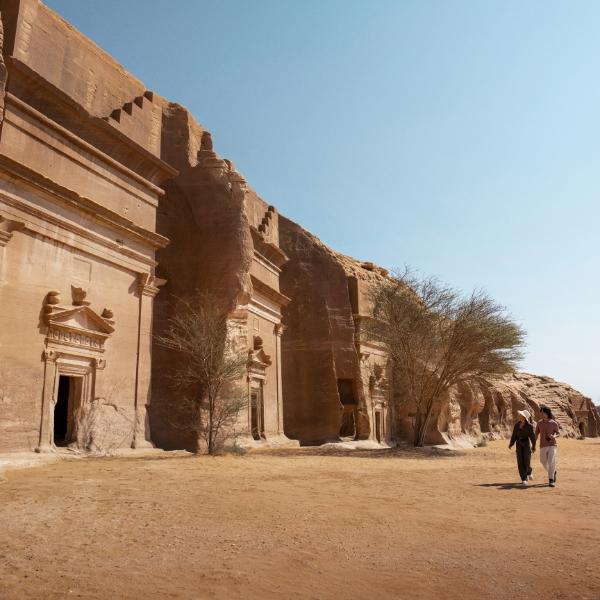
Stretching across a vast landscape of sandstone canyons, lush oasis valleys, and archaeological marvels, AlUla is a place where history is not preserved behind glass but embedded into everyday life. Civilisations have passed through this region for over 7,000 years, leaving behind layers of cultural memory that now form the backbone of its appeal. At the heart of this heritage is Hegra, Saudi Arabia’s first UNESCO World Heritage Site, where monumental Nabataean tombs are carved directly into rose-hued rock faces. Nearby, the ancient cities of Dadan and Jabal Ikmah, often described as an open-air library, offer inscriptions and relics that trace trade routes, belief systems, and early governance across centuries.
Yet AlUla is not a destination frozen in time. What makes it compelling today is how seamlessly the past intersects with the present. Contemporary culture thrives here, most visibly through Desert X AlUla, the region’s landmark open-air art exhibition. Returning in early 2026, the fourth edition brings together Saudi and international artists whose site-responsive installations unfold directly within the desert landscape.
Rather than interrupting the terrain, these works respond to it, using scale, sound, and material to reflect AlUla’s vastness, silence, and layered histories. The exhibition is also a glimpse into the future, acting as a precursor to Wadi AlFann, the Valley of the Arts, a permanent land art destination set to open from 2028 onwards.
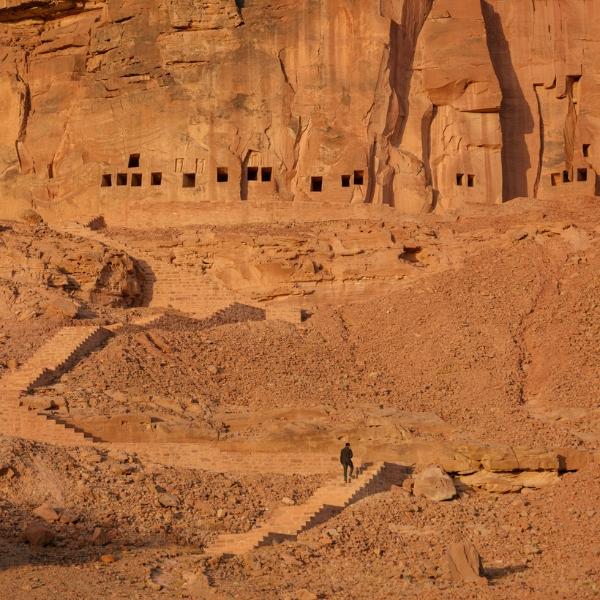
For travellers, days in AlUla move at a deliberate pace. Mornings might begin with guided walks through ancient settlements, followed by slow afternoons exploring AlUla Old Town, a revitalised labyrinth of mudbrick homes now home to cafés, artisan stores, and intimate cultural spaces. Shopping here leans toward the soulful rather than the flashy, with handcrafted objects, locally inspired design, and souk-style browsing that prioritises storytelling.
Nature, too, plays a starring role. Elephant Rock, one of AlUla’s most photographed formations, becomes a gathering point at sunset, when the desert sky turns cinematic and time seems to stretch. For those seeking movement, the destination offers everything from desert hikes to equestrian experiences, including the internationally recognised AlUla Desert Polo, staged against a backdrop that feels almost surreal in its beauty.
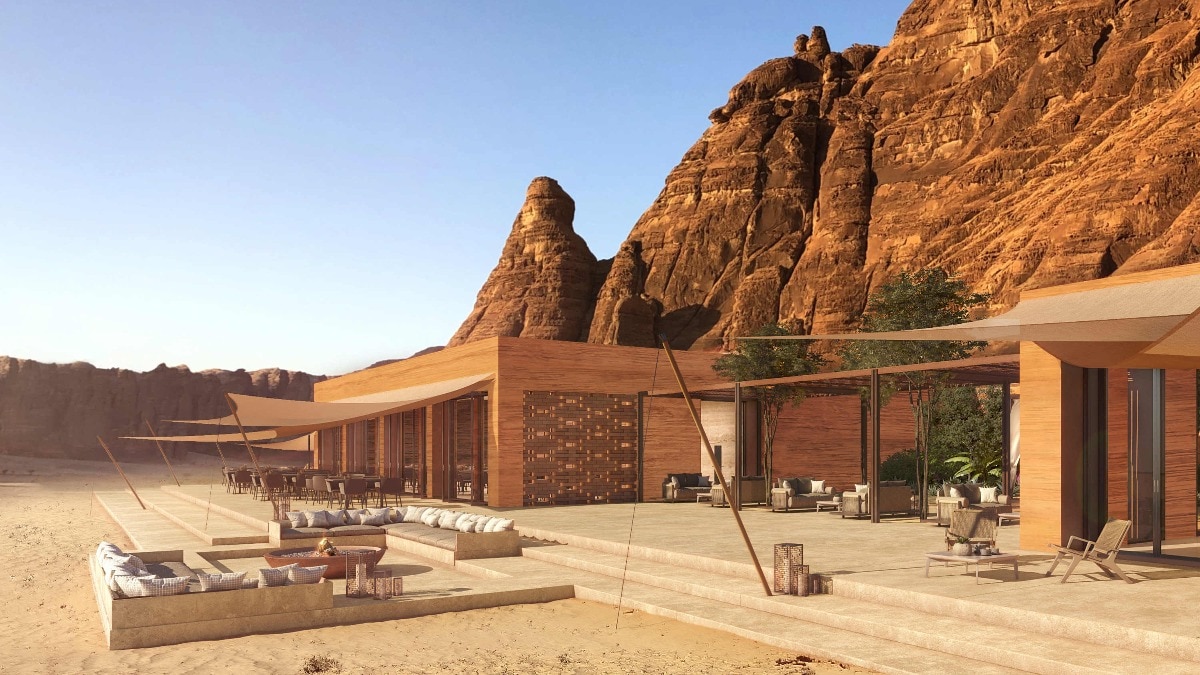
Accommodation mirrors the destination’s ethos of quiet luxury. From heritage-led stays like Dar Tantora to architecturally striking resorts such as Habitas, Banyan Tree, and The Chedi Hegra, hotels here are designed to blend into their surroundings rather than dominate them. Privacy, space, and connection to the land take precedence over excess.
Dining in AlUla follows the same philosophy as the destination itself: thoughtful, immersive, and deeply connected to place. At Harrat Viewpoint, Pizza Bar IOI offers a relaxed yet refined open-air setting where Neapolitan-style pizzas emerge from a central oven, their signature leopard-spotted crusts paired with handmade pastas and sweeping desert views. For daytime dining, Pink Camel Pastry Boutique overlooks the oasis farmlands, serving fresh, produce-driven dishes that range from citrus-forward pastas to pulled lamb sandwiches, alongside excellent baked goods and fresh juices.
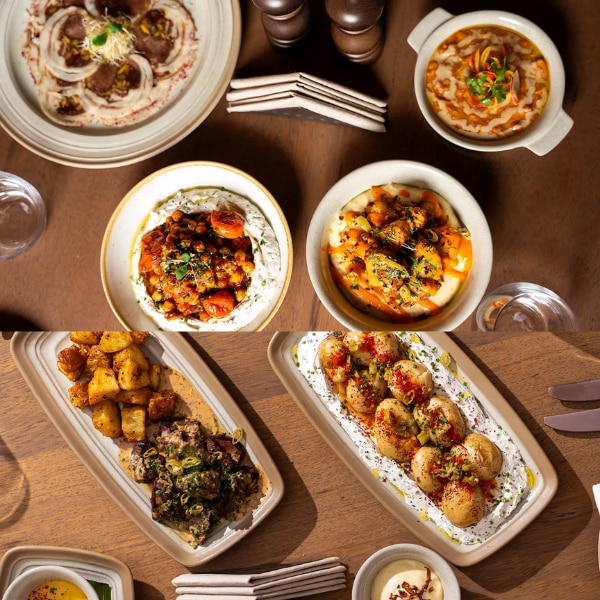
As evening sets in, Charcood delivers a sensory experience centred on the art of charcoal grilling, where premium cuts are prepared poolside under starlit skies, curated by Michelin-starred chef Jaume Puigdengolas. For a deeper immersion into regional flavours, Jontoos celebrates Saudi culinary traditions through refined, heritage-led dishes crafted with locally sourced ingredients, offering a dining experience that feels both rooted and elevated.
AlUla’s allure ultimately stems from its intention. By limiting scale and prioritising culture, art, and environment, it offers a vision of travel that feels increasingly rare, one where slow living is not just a trend. In a world racing toward more, AlUla’s power lies in choosing less and making it extraordinary.
Image: Courtesy of Royal Commission for AlUla
Also read: Global dining destinations where music and gastronomy meet in perfect harmony
Also read: Five snow-free winter destinations to escape the cold
ADVERTISEMENT
Must Read


ADVERTISEMENT