




ADVERTISEMENT
Chef Ansab Khan's guide to flavours of Myanmar
Exploring Burma beyond khowsuey

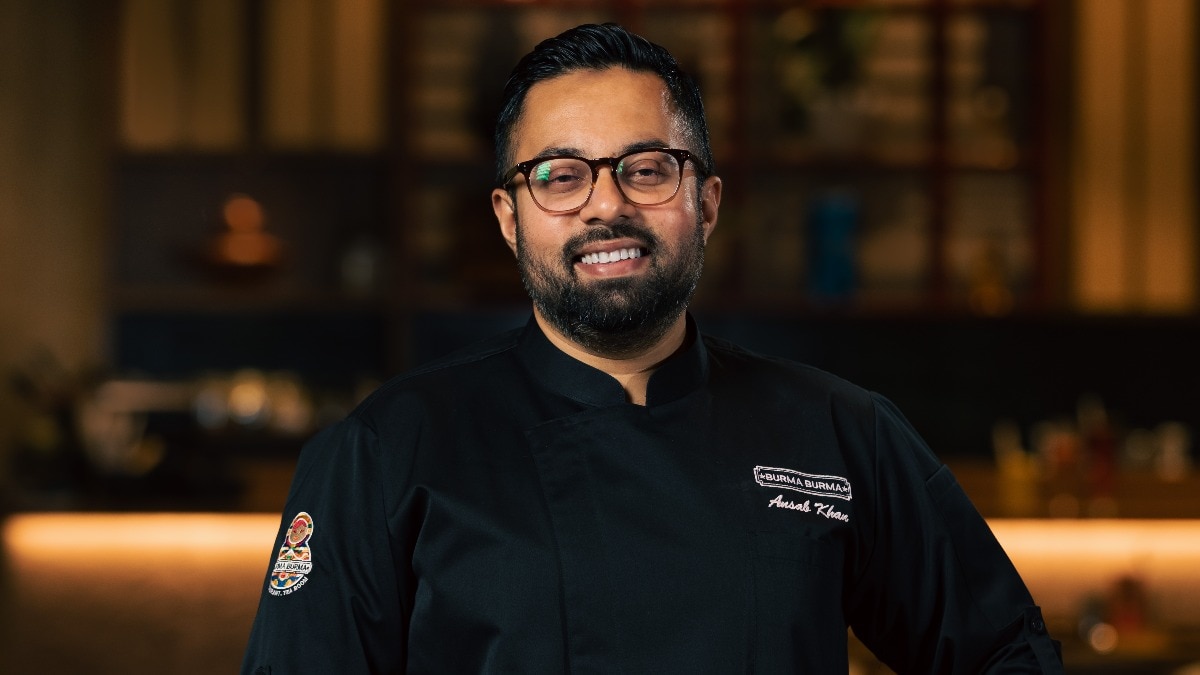
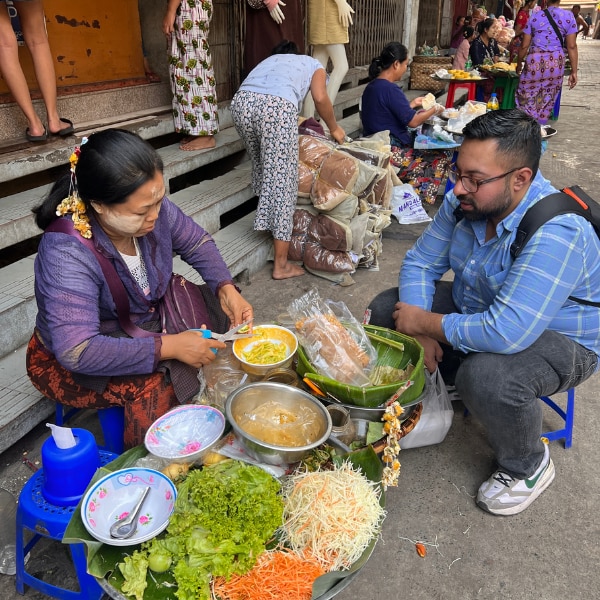
Sitting on a low plastic stool at a teashop in Yangon, Burma, on a cold morning, I was served a steaming-hot bowl of Mohinga. The aroma from the bowl, sounds from the busy kitchen and the chatter of vendors came together to make me realise—I feel at home. I first visited Myanmar—or Burma—to find inspiration and curate a menu for Burma Burma, India’s only speciality Burmese restaurant and tea room, with its co-founder and my long-time friend, Ankit Gupta. 15 visits over 12 years, and even today, I look forward to planning trips to the country to explore newer regions, visit my favourite spots and catch up with chefs who have been reshaping the culinary landscape of our neighbouring country.
Myaung Mya daw Cho is the best spot to try Burma’s national dish, Mohinga—a fragrant, hearty broth served with rice noodles. Every visit reveals something new: hand-tossed salads, a variation of a broth or an heirloom recipe. I return inspired to reinterpret these discoveries for our guests while staying true to its roots. What stands out to me most about the food in Burma is how flavours travel and migrate across the borders of neighbouring countries like Thailand, Laos, and, of course, India. From palatas to noodle soups and even tandoors outside restaurants, the cuisine reflects centuries of cultural exchange. If you’re visiting the famous Kandawgyi Park, stop by Koe Kant Kou Fu, popular for Chinese-influenced cuisine from the Kokang region.
How Burma influences my cooking
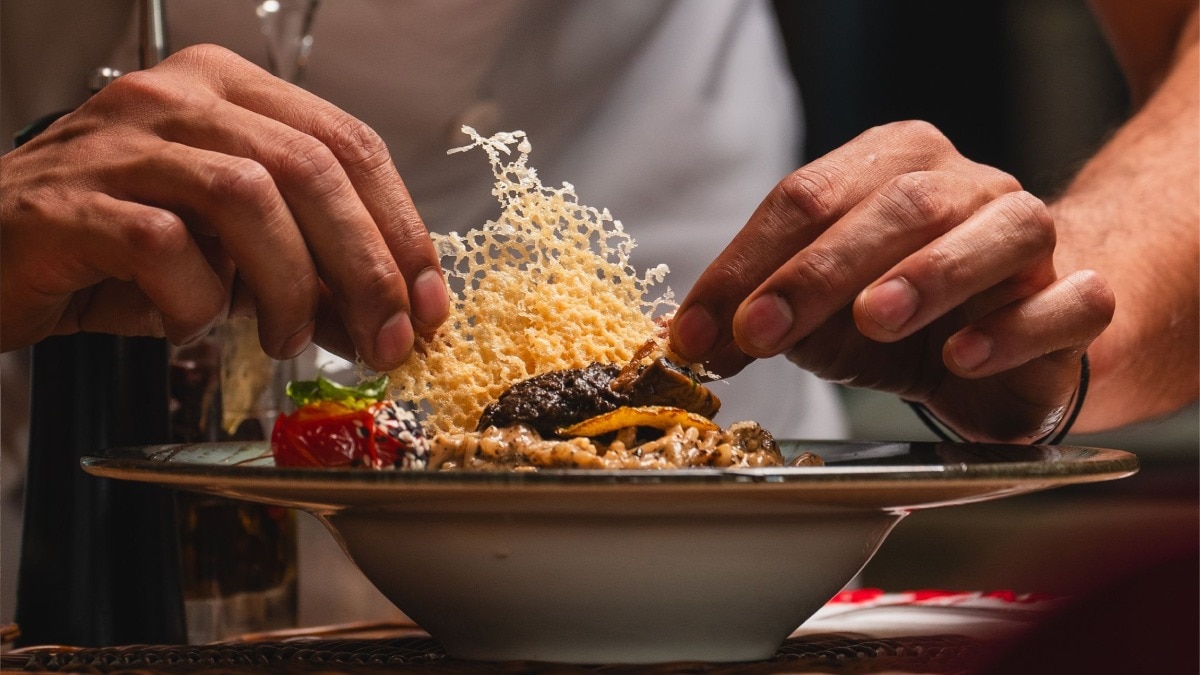
My deep connection with Burma was built over the years, along with invaluable friendships with vendors, chefs and restaurateurs. The Burmese have a simple approach to food, yet their food is anything but simple. Every plate is layered with texture and flavours—slow-cooked broths, pickled or fermented ingredients, fresh produce and robust spices. Their emphasis on preserving ingredients and eating seasonally has changed the way I approach cooking Burmese food. One of our most popular offerings—the Avocado and Honey Ice Cream—is inspired by an avocado milkshake Ankit and I tasted at Bogyoke Aung San Market or Scott Market.
What to eat
In Burma, breakfast is a heavy, hearty meal. If you want to try the traditional Oh No Khowsuey, wake up early. My go-to breakfast specials, like Khowsuey and Mohinga, are Sanpya Daw Kyi; you must also visit Mandalay Tea Room & Lucky Seven Tea Shop for Paukse, flaky Palatas with curry, and steamed rice parcels. Tea Shops in Burma are buzzing with stories and conversations. Famous for its modern take on Burmese cuisine, Akkhaya Tea House is famous for its Ceylon Tea, Nangyi Noodles and Tohu salad. Local markets are a haven for unexplored recipes such as Burmese Crepes, similar to Dosa but filled with a chickpea, sesame and grated coconut.
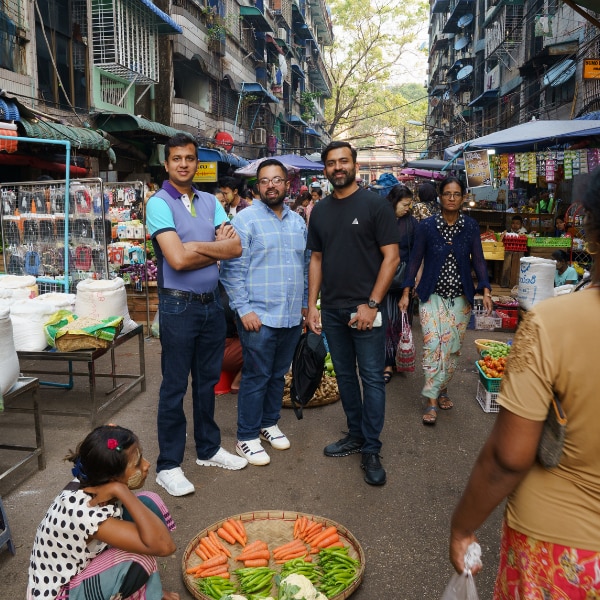
For specialised Burmese food, visit Aung Thu Kha or Shwe Ba, which serve a variety of dishes with rice. Feel Myanmar Restaurant remains most memorable for their traditional meal—fresh Laphet Thoke, Palatas and delicious curries served with rice. Shan Yoe Yar Restaurant offers a fine-dining experience with steamed dishes, stir-fried tofu and mustard greens. Don’t miss Shan Noodles at Aung Minglar Noodle Shop. Many Burmese dishes use fish sauce, dried shrimp and bone broths. For vegetarian options, head to 19 Street Chinatown for barbecue and YKKO for Kyay Ohh—a popular noodle soup dish. If you don’t consume meat, use the magic word 'tatalu', which helps servers guide you towards suitable dishes without common ingredients like fish sauce.
For dessert, visit Shwe Pazun for best-selling items such as Ras Malai and Fa Lu Da—go early in the day as they tend to run out by afternoon. My favourite is Shwe Bali for Shwe Yin Aye—a hearty cooler made with chilled coconut milk, Durian Kulfi and Jaggery Yoghurt. Visit Ambrosia Sweet Shop for traditional Burmese desserts like Sanwin Makin. If you’re outdoors in the afternoon, try Shwe Ae or the Burmese Falooda from any of the street-side stalls.
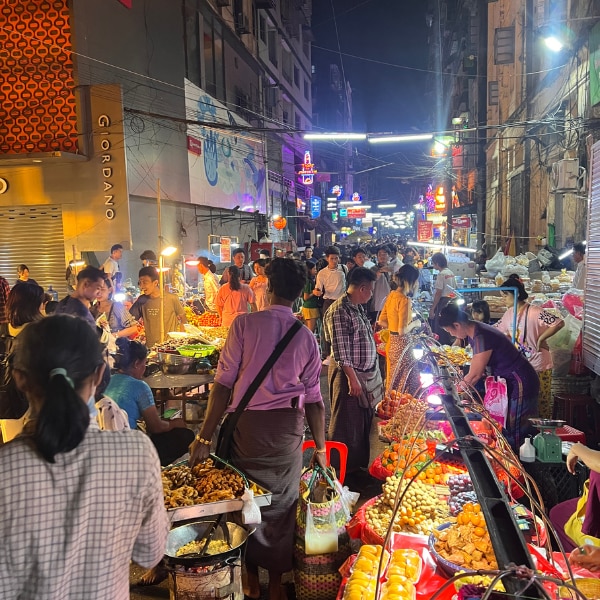
What to do beyond food
Beyond food, Burma captivates you with its old-world charm. Yangon’s art deco buildings, the magnificent Shwedagon Pagoda, and the serene Floating Gardens of Inle Lake offer experiences that stay with you long after your visit. Must-visit places include the underground caves of Hpa-An, the pristine beaches of Ngapali and Myeik, the ancient city of Bagan with thousands of pagodas, the food capital of Mandalay, and Kalaw, a scenic hill station.
How to reach Burma
If you’re planning a visit from India, direct flights from Delhi and Kolkata, or routes via Thailand to Yangon, make it quite easy. Within the region, intercity buses and local cabs are convenient. Burma is largely a cash-first country, so it's important to convert currency. The best time to visit is between October and November, and if you don't mind heat and humidity, visit in April to experience Thingyan festivities—the Burmese New Year.
Burmese hospitality only adds to a comforting travel experience. They believe in the power of community and sharing. Several home chefs and families have invited us to try their food during our trips. Burma Burma is an ode to these people, their bold flavours, and their vibrant culture. The region continues to inspire me, and I can’t wait to visit again.
Images: Burma Burma
Also read: Chef Raymond Wong's guide to flavours of Malaysia
ADVERTISEMENT
Must Read






ADVERTISEMENT