




ADVERTISEMENT
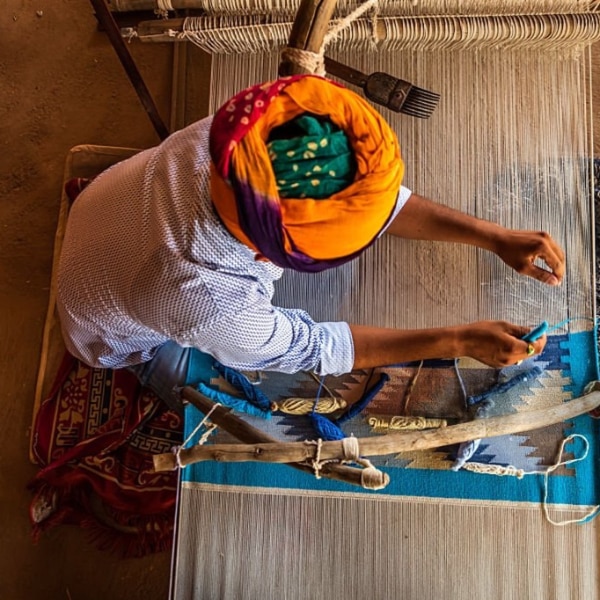
Everyone wants handmade. Nobody wants to pay handmade prices.
We want to know who made our clothes. We just don't always want to pay them.

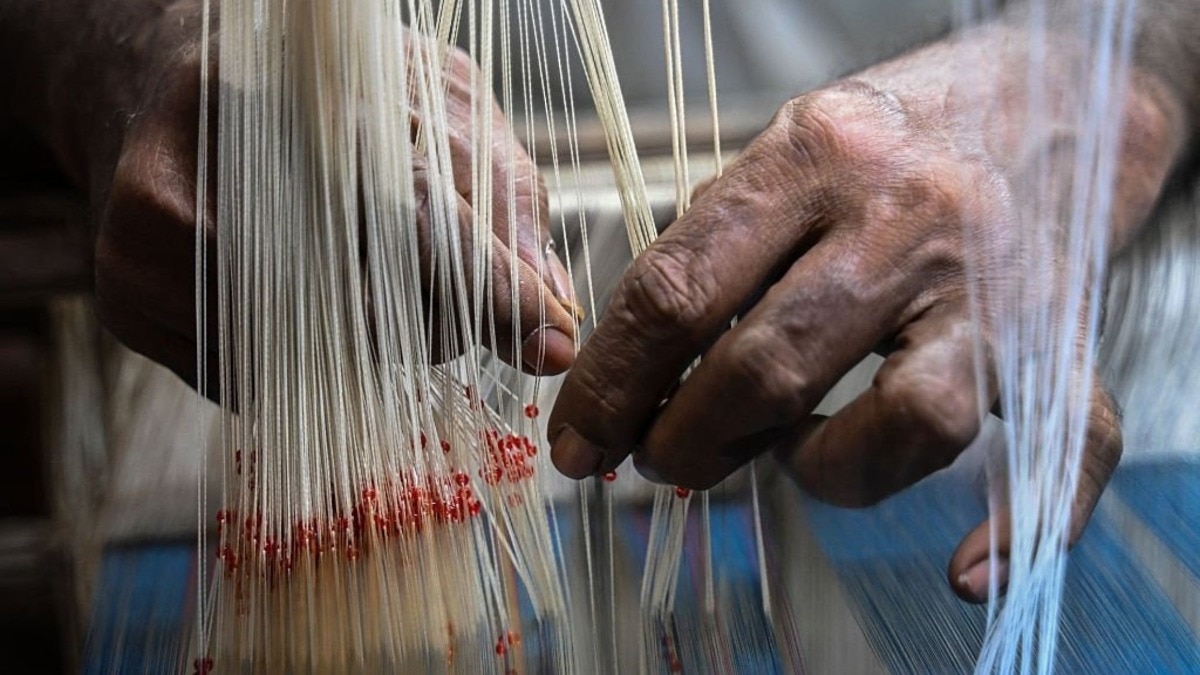
I have a theory: the easiest way to make something fashionable right now is to make it look like it was made by hand. A little uneven. Slightly imperfect. Obvious signs that it is made by a person. After years of everything looking polished to death, we seem to have developed a real appetite for evidence that somebody actually sat down and made the thing.
Handmade has become a luxury language. Brands want to tell us who made something, where they made it, how long it took. Complete traceability. Consumers want the workshop, the technique, the story. The more invisible fashion's production has historically been, the more desirable visibility has suddenly become.
Which is interesting, because the moment you put the maker back into the story, you also have to put them back into the price range.
The Craft Was Never New
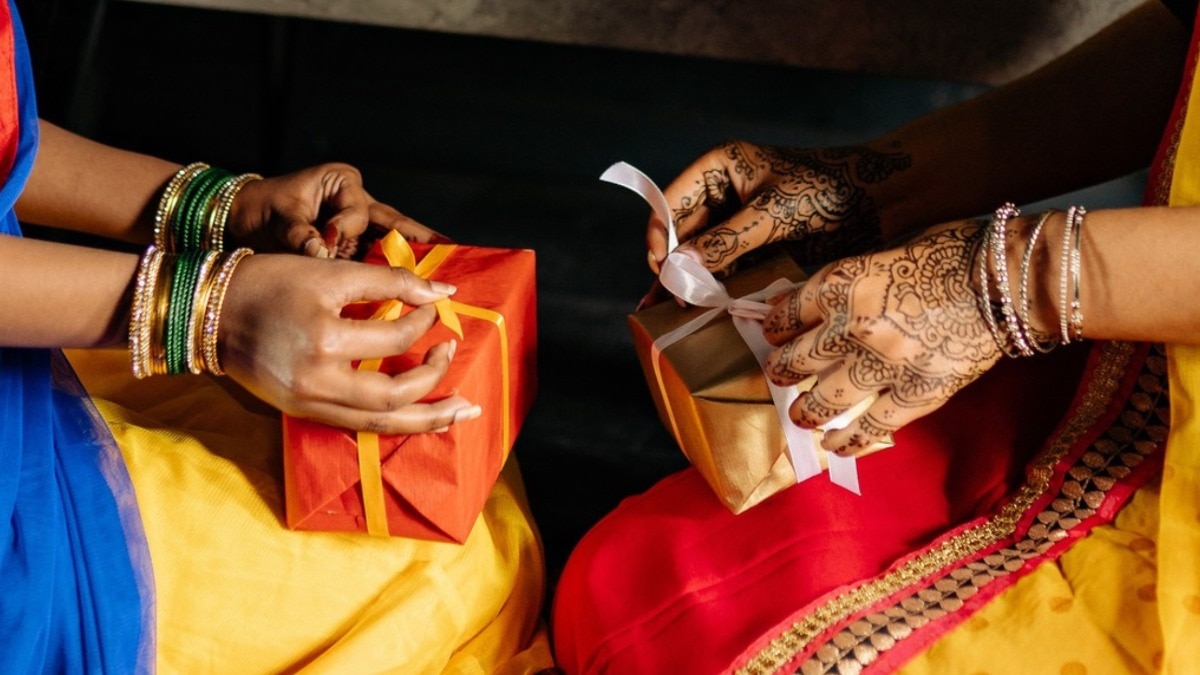
This feels particularly strange when we talk about South Asian craft. Handloom, embroidery, juttis, weaving, leatherwork: none of these things appeared because luxury fashion suddenly developed an interest in “heritage.” People have been making them forever. What changed was the gaze. Something can exist for generations without being considered particularly luxurious. Then the right designer puts it in a collection, the right photographer shoots it, the right marketing packages it, and suddenly we have a new vocabulary for it. Traditional becomes artisanal. Old becomes archival. Handmade becomes collectable.
I don't necessarily think that is a bad thing. Fashion creating demand can keep techniques alive. But I do wonder why the work often becomes valuable to us only after someone with cultural and financial distance tells us that it is.
We Love the Artisan Story. Do We Love the Artisan?
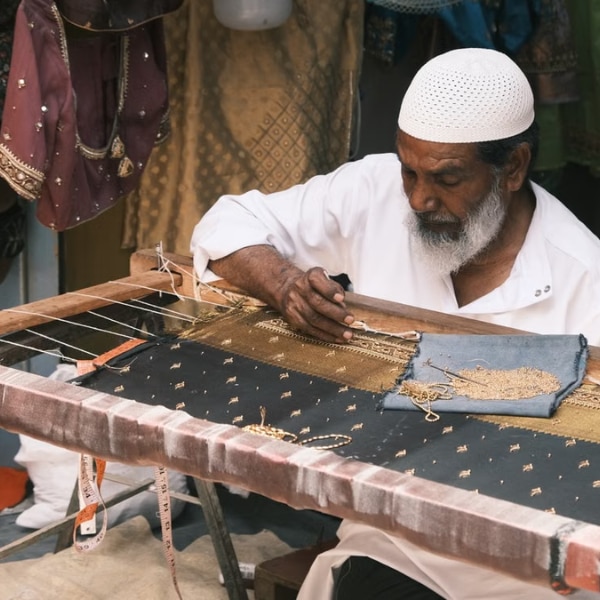
There is a particular kind of fashion image I have started noticing everywhere: beautiful workshop, beautiful natural light, someone's hands doing something incredibly precise. The message is obvious. Look, a human made this.
I like knowing that. I just want to know a little more.
Who decided what the work was worth? How much of the final price reaches the person who made it? Who owns the design? What happens when the technique becomes commercially successful?
A photograph can make an artisan visible without giving them much power. The person becomes part of the product's mythology while the actual relationship between maker and brand remains conveniently off-camera.
That is where “craft” can become a slightly dangerous word. It makes labour sound romantic enough that we forget it is also somebody's job.
Then We Get to the Price
This is the part where consumers become confused. We say we want fewer, better things. We want transparency. We want to know who made our clothes. We want things that last. Then a handmade object costs $1,500, and suddenly everyone wants to know why it costs $1,500.
Some of that scepticism is completely justified. Luxury brands have been using craftsmanship to defend enormous markups forever. Something being handmade does not automatically make it ethical, and “artisanal” is not a magic word that turns a business model good. But there is another side to the question. We have become so accustomed to affordable fashion that anything priced closer to the actual cost of skilled human work can feel unreasonable. Maybe the problem is not always that handmade is too expensive. Maybe everything else has just been made to feel absurdly inexpensive.
Maybe that is why handmade objects can feel different in person. You stop looking at the thing and start noticing the evidence of how it got there.
We Don't Have to Romanticise It
I also don't think the answer is to put artisans on a pedestal. They are not mystical vessels of tradition. They are people doing highly skilled work. They should be paid well. They should have agency over their designs and how their knowledge is used. They should not have to perform some beautiful version of heritage to make their labour feel valuable. “Artisan” can be a beautiful word. It can also be a convenient one. Because once you turn someone's work into culture, it becomes very easy to forget that they still need to make a living from it.
Maybe Handmade Doesn't Need to Be Affordable
We have spent years asking how craft can compete with mass production. How can it scale? How can it become cheaper? How can it reach more people? I'm not sure it should. The reason we like handmade is precisely because it does not behave like everything else. It takes time. It has limits. It carries the person who made it. We say we want that. But wanting the object is easy. The harder part is accepting what comes with it. If we can save up for and invest in pieces from legacy fashion houses that openly sell the idea of painstaking craftsmanship, where every detail requires time and cannot be mass-produced, why can't we extend that same logic to handmade craft in India? If we really want to know who made something, we have to be prepared for that knowledge to affect what we are willing to pay. Otherwise, maybe we don't actually want handmade. Maybe we just want things that look like someone made them.
Image credits: Getty Images and Pexels
Also read: Postcards from India’s legendary weaving towns
Also read: Why Indian women are so obsessed with gold
ADVERTISEMENT
Must Read


ADVERTISEMENT