




ADVERTISEMENT
The Art Deco-inspired Mumbai restaurant that's putting storytelling on the menu
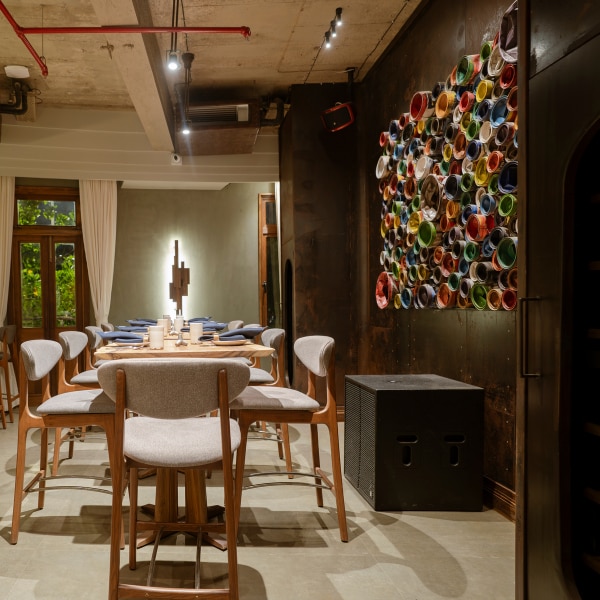
Housed in an Art Deco-inspired space, Mumbai restaurant Hearth sees chefs Dhriti Mankame and Mehul 'Sabby' Sabharwal create a dining experience where food, design and storytelling come together.

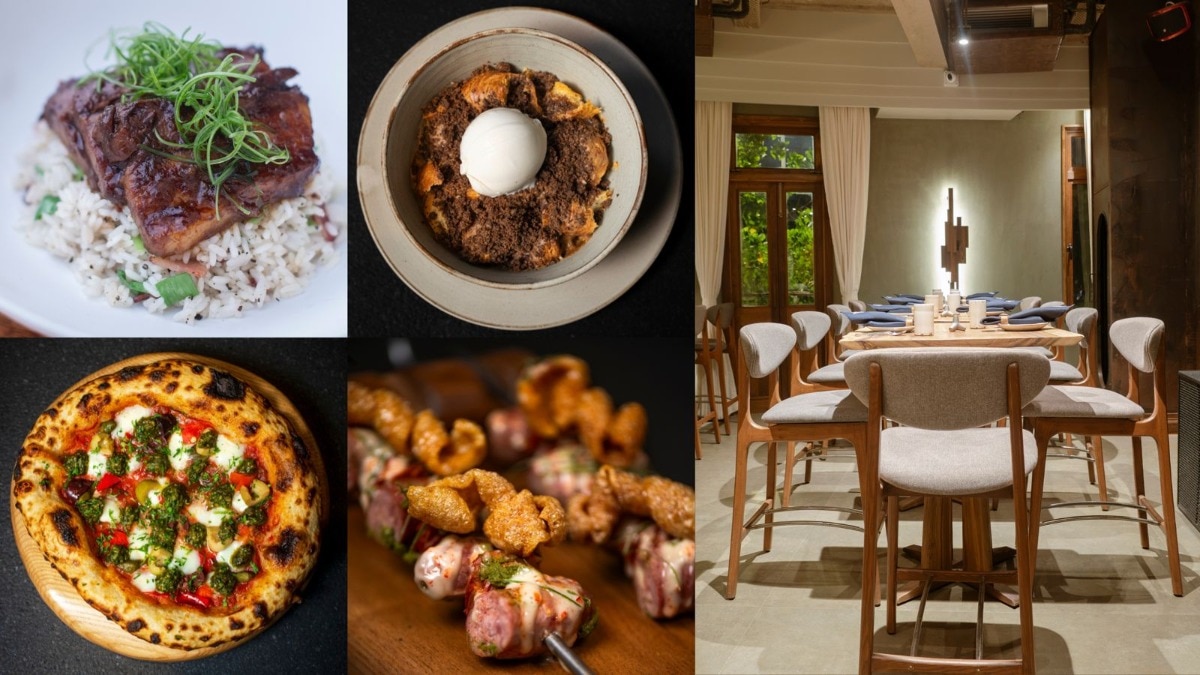
This month, Bazaar India is in conversation with Chef Dhriti Mankame and Chef Mehul 'Sabby' Sabharwal on creating a restaurant where nostalgia, craftsmanship, and culinary instinct take centre stage.
Harper's Bazaar: Hearth is built around the idea of memory, fire, and instinct rather than a fixed cuisine. Was there a moment when you both realised this was the restaurant you wanted to create, and what personal memories found their way into the menu first?
Hearth: There wasn’t one defining moment. It was something that evolved over years of cooking, travelling, and understanding what truly resonated with us. We realised that the food we kept returning to wasn’t tied to a particular cuisine; it was rooted in memory, instinct, and the emotion that comes from cooking over fire.
Hearth was born from that idea. We wanted to create a space where ingredients take centre stage, where fire is a technique rather than a theme, and where every dish tells a story without being confined by geography.
The first memories that found their way onto the menu were deeply personal—flavours from our childhood, produce we grew up eating, and dishes that evoke comfort and nostalgia. Rather than recreating them, we reinterpret those memories through the lens of who we are as chefs today.
To name a few dishes, there’s the coconut bell pepper curry that Sabby grew up eating in a Punjabi household. We siphon the curry to make it lighter and airier. Then there’s the fruit custard and jelly that Dhriti grew up eating, which we reinterpret as a custard ice cream served with grilled fruits.
HB: You’ve worked in some of the world’s most celebrated kitchens, from Burnt Ends to Masque, Ekaa, and Relae. How did those experiences teach you what not to bring into Hearth, alongside what you chose to keep?
H: Every kitchen we’ve worked in has shaped us in some way. They taught us discipline, attention to detail, consistency, and an uncompromising respect for ingredients, qualities we carry with us every day at Hearth.
Just as importantly, those experiences helped us understand what we wanted to do differently. We wanted to build a space where excellence and empathy could exist together, where people are encouraged to learn, ask questions, and grow without losing the joy of cooking and serving.
Hearth is a reflection of those lessons—holding on to the highest standards while creating a culture that is collaborative, thoughtful, and deeply human.
HB: You describe fire as a philosophy rather than a spectacle. Beyond simply cooking over flames, how does fire influence the way you think about flavour, creativity, and even hospitality?
H: For us, fire has never been about spectacle. We don’t have an open kitchen because we wanted to show off, but because we wanted our guests to see what we truly mean when we talk about open-flame cooking and the skill required to master it. Fire teaches patience, restraint, and instinct because no two fires behave the same way.
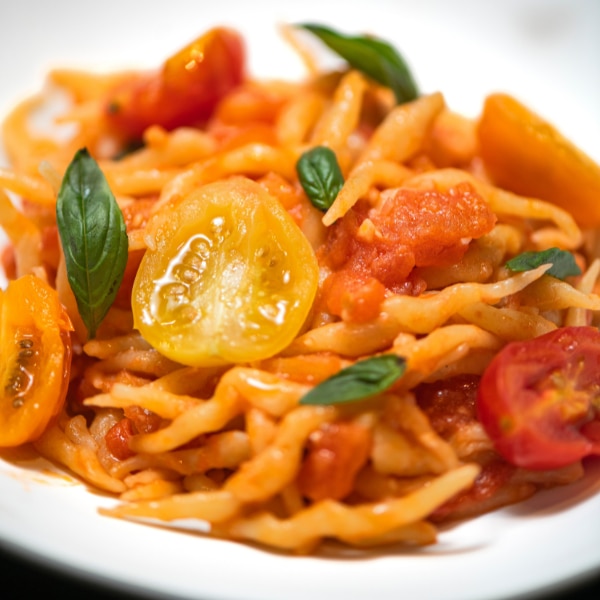
That philosophy extends beyond food. It influences how we approach creativity by allowing ingredients to lead rather than forcing ideas onto them. It also shapes our hospitality. Fire naturally brings people together, and that’s exactly the feeling we want at Hearth: a space that is warm, intimate, and centred around genuine connection.
HB: The chef-interactive experience removes the traditional barrier between the kitchen and the dining room. Does that vulnerability change the way you cook or tell the story of a dish when you’re serving it directly to guests?
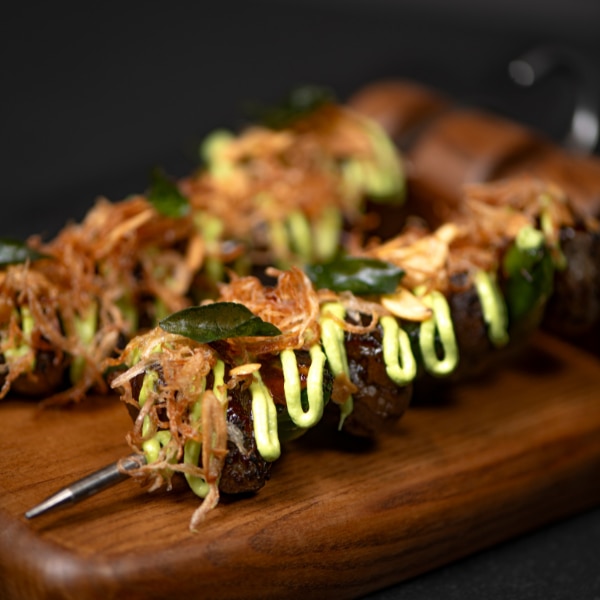
H: It absolutely does. When you’re cooking and serving a dish directly to the guest, there’s no separation; you see their reactions in real time, and that creates a much more honest connection.
It doesn’t change how we cook, but it does change how we tell the story. Every dish has a reason for being on the menu, and sharing that story helps guests connect with the food beyond what’s on the plate.
For us, that’s what hospitality is about. It’s not just about serving a meal; it’s about creating a conversation and making every guest feel like they’re part of the experience.
HB: One of the most touching details at Hearth is the hand-embroidered napkins made by your grandmother and mother. Why was it important for your family to become part of the restaurant’s story, and what does that detail represent for you personally?
H: Hearth is about memory and the people who have shaped us. Those napkins are a quiet reminder that hospitality begins long before a guest sits at the table; it starts with care, intention, and the hands that create something with love.
They represent family, tradition, hard work, skill, and the idea that the smallest details often leave the biggest impression.
While we’re creating our own family and traditions at Hearth, our families want a small piece of themselves to be present here with us, to remind us how loved we are and how proud they are of us.
HB: Mumbai’s dining scene is increasingly driven by trends and social media moments. Hearth feels like a conscious move in the opposite direction. Was it ever difficult to choose authenticity over what’s commercially expected?
H: I don’t think we ever looked at it as choosing authenticity over what’s commercially expected. From the beginning, we knew the kind of restaurant we wanted to build, and we stayed true to that vision. I think that’s primarily the reason we decided to work together.
Trends and social media influence the industry, and there’s nothing wrong with that. But for us, the priority has always been creating something honest—an experience rooted in craft, memory, and genuine hospitality.
We’ve always believed that if you build something with integrity, the right guests will find you. That’s the journey we’re committed to, and we wouldn’t have it any other way.
HB: Your menu is rooted in Indian sensibilities but refuses to be boxed into a single cuisine. How do you strike the balance between drawing inspiration from global experiences and ensuring every dish still feels deeply personal rather than performative?

H: Travelling and working in different kitchens have given us techniques, perspectives, and a broader understanding of ingredients, but they’ve never changed our identities as chefs. Both of us have very different thought processes, but we always find ways to make it work.
We look at creating dishes through flavour, not cuisine, because what is cuisine without flavour? This way of thinking has helped us break the boundaries of what could be a sauce and what could be a curry.
We start with an ingredient, a memory, or a feeling. If a technique from another part of the world helps us express that better, we’ll use it. But it always has to serve the story of the dish, never become the story itself.
That’s how we keep the food personal. Every dish has to feel honest to who we are, not like it’s trying to impress anyone.
HB: If a guest walks out of Hearth remembering just one feeling, not a particular dish or ingredient, what do you hope stays with them?
H: More than anything, we hope they leave feeling like they belong here, that they felt cared for, welcomed, and connected, not just to the food but to the people and the stories behind it.
If they walk away with a sense of warmth, comfort, and the feeling that they shared something meaningful around a fire, then we’ve done what we set out to do. A lot of our guests have told us these things, and that’s what fuels us and assures us that we’re on the right path.
All images: Hearth
Also read: Inside Villa Cosy: The Saint-Tropez hotel redefining quiet luxury
Also read: Café-style food and live coffee bars are the future of catering in India
ADVERTISEMENT
Must Read







ADVERTISEMENT