




ADVERTISEMENT
2026 is shaping up to be a year of effortless dining
As consumer expectations shift, successful restaurants are focusing less on spectacle and more on hospitality, atmosphere, authenticity, and experiences guests want to return to. Chef Vanshika Bhatia explains.

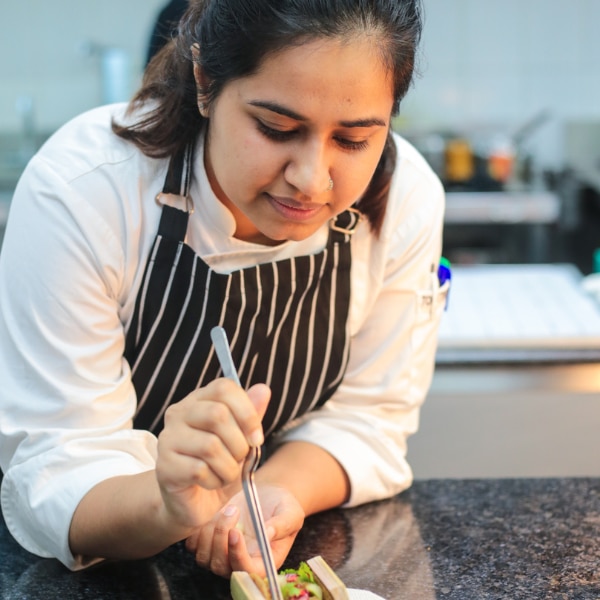
Luxury in hospitality is changing. The industry's long-held obsession with grandeur, excess and exclusivity is steadily giving way to something quieter and far more meaningful: experiences that feel intuitive, personal and effortless. For Chef Vanshika Bhatia, this shift isn't just a trend; it's the future of dining.
"For the longest time, we were taught that luxury in hospitality meant abundance," says Bhatia, recalling an era defined by "massive dining rooms, menus as thick as books, twenty ingredients on a single plate, and a level of stiffness that made you feel like you had to sit up straighter just to order a glass of wine,” she says. "But honestly? That definition is dead."
Effortless Is the New Luxury
Instead of chasing spectacle, today's diners are looking for something much simpler. As Bhatia puts it, "The meals that stick with you today aren't the grandest ones. They're the ones where everything just works." It's the lighting that makes everyone look good without trying. The music that creates atmosphere without overpowering conversation. A server who instinctively knows when you need another napkin. Food that excites without demanding an explanation.
That effortless experience, however, is anything but easy to create. "As someone who lives in kitchens, I can tell you that creating that sense of ease is a brutal amount of work," Bhatia explains. "It takes way more thought than just throwing expensive ingredients at a plate. It's about obsessing over the tiny, invisible details."
Guests Are Chasing a Feeling
According to Bhatia, diners have fundamentally changed the questions they ask before choosing a restaurant. "People aren't just looking at a menu and asking, 'Is the food good?' They're asking, 'How does this place make me feel?'" Do they feel welcome? Can they imagine returning with family next week? Does the restaurant fit naturally into their everyday lives? Those emotional questions, she believes, are becoming just as important as culinary ones.
“We're all exhausted by a world that constantly demands our attention. When we go out to eat, we want to slow down," she says. "Restaurants aren't just competing with each other's recipes anymore; we're competing on atmosphere, energy, and emotional comfort."
The Restaurants We Return To
The industry's greatest competitive advantage may no longer be a signature dish. "Think about the places you return to over and over," Bhatia says. "It's rarely because of one single, mind-blowing dish. It's because you know exactly how you'll feel the second you step through the door." That consistency—that quiet confidence that guests will be looked after—is, in her eyes, the new definition of luxury. The same philosophy is influencing restaurant design. "We want beauty, absolutely, but we want it to feel lived-in," she says. "Spaces that photograph beautifully for the 'gram, yes, but more importantly, spaces where you actually want to sit, linger, and have another drink."
Hospitality Beyond Service
Service, too, has evolved. Rather than relying on perfectly rehearsed scripts, Bhatia believes the strongest front-of-house teams now lead with emotional intelligence. "The best front-of-house teams have traded rigid, rehearsed scripts for pure emotional intelligence," she says. "They know exactly when you want to chat about the sourcing of an ingredient, and when you just want to be left alone to catch up with your partner." The same desire for authenticity extends to what's on the plate. According to Bhatia, people are increasingly drawn to restaurants with a genuine point of view—whether that's celebrating hyper-local ingredients, preserving traditional techniques or presenting familiar flavours in new ways. "They want stories we can actually connect to."
Belonging Over Exclusivity
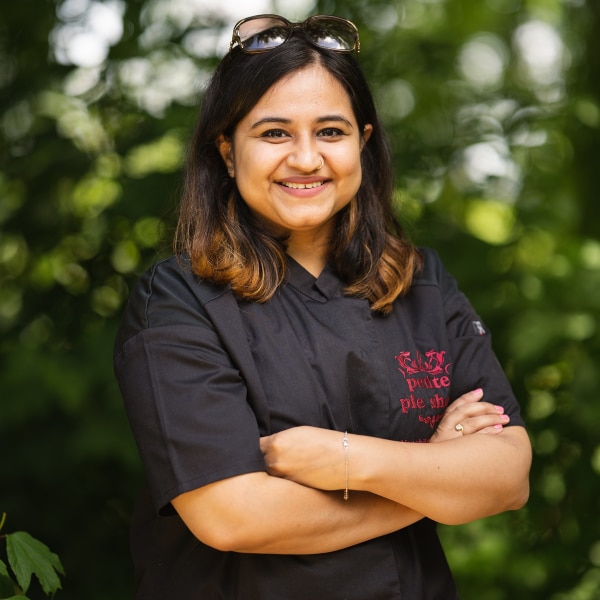
Exclusivity alone, she argues, no longer creates loyalty. "A hard-to-get reservation without any real warmth feels totally empty," Bhatia says. "What people are actually searching for is a sense of belonging." For her, hospitality has always been about making people feel cared for. It's a server remembering you love a specific table, or how you take your coffee. It's a menu that handles dietary restrictions gracefully, without making a guest feel like an inconvenience. It's knowing you can show up exactly as you are. They don't make screaming headlines, she adds, "but they're the exact reasons people come back."
Looking Ahead
As restaurants continue to evolve, Bhatia believes technology will certainly play a larger role—but mostly behind the scenes."The next generation of great restaurants won't be about creating a massive spectacle. It'll be about creating ease," she says. "We'll use technology behind the scenes to smooth out operations, but only so our teams can focus on what humans do best: genuinely connecting with other humans." Because despite changing consumer expectations, one thing remains constant. "People gather around a table to celebrate, to vent, to reconnect, or just because they've had a long, exhausting day and want someone else to feed them."
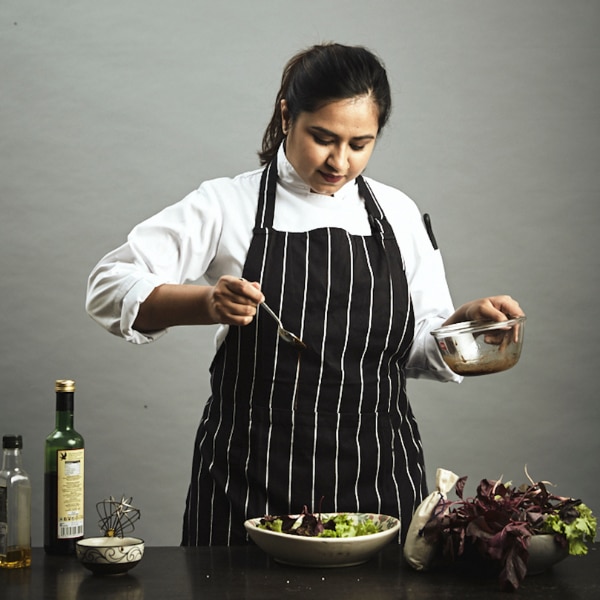
The restaurants that succeed in the years ahead, she believes, will understand that instinct deeply.
"Seamless but warm. Beautiful but zero pretence. Thoughtful, without ever looking like they're trying too hard." And ultimately, that is what defines a memorable dining experience. At the end of the day, the best meals aren't the most elaborate ones, Chef Bhatia says. They're the ones where everything feels exactly as it should. Not perfection—just the quiet confidence of making people feel entirely at home.
Lead image: Chef Vanshika Bhatia
Also read: Chef Romy Gill brings her story of India to The Pam
ADVERTISEMENT
Must Read






ADVERTISEMENT