




ADVERTISEMENT
Time, truth, and the natural diamond
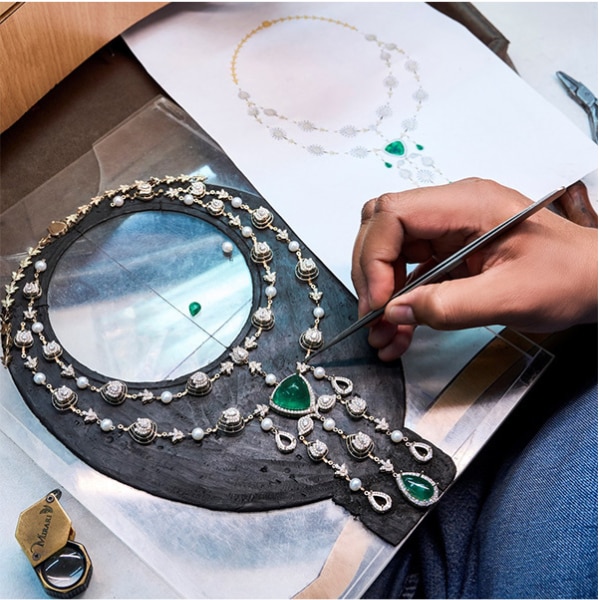
Formed by time, verified by truth—the real diamond is no longer admired only for its sparkle, but for the story it carries.

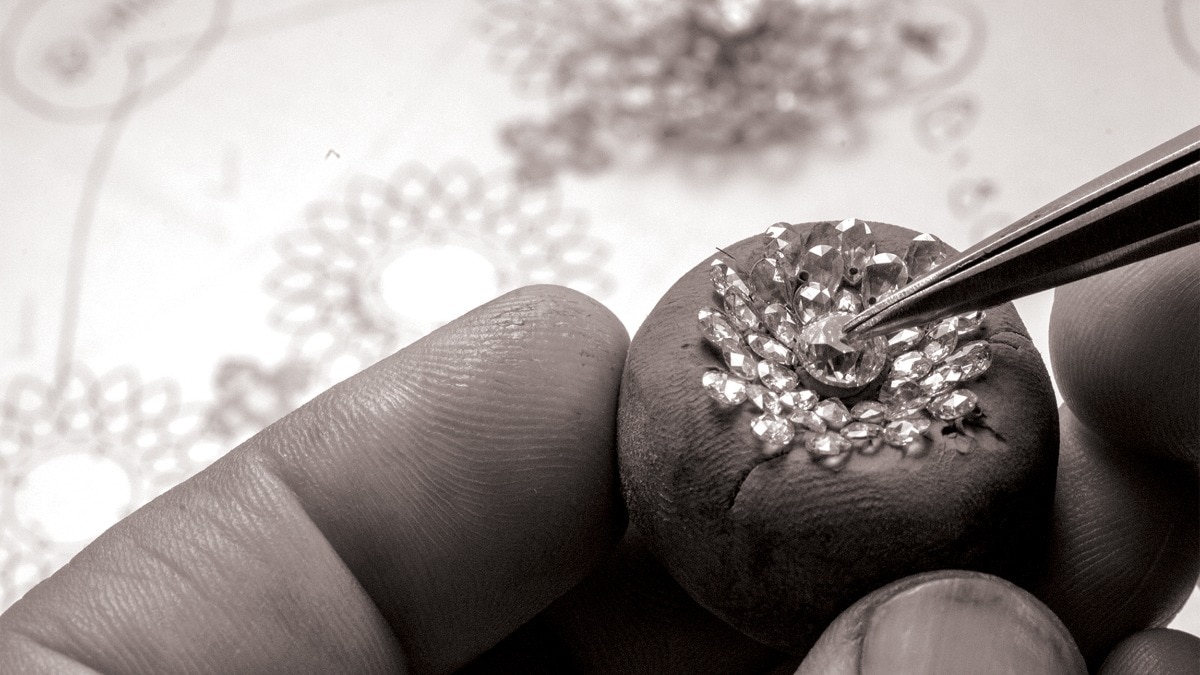
There is something instinctive about the way we pause when a diamond catches the light. For generations, that brilliance defined its worth. The sparkle drew attention, the cut held the gaze, and the carat marked celebration and commitment—and that alone defined value.
Now, the pause lingers. Before saying yes, different questions arise—where did it begin? How was it formed? What path did it take before it reached us? Luxury has evolved; it is more attentive to origin, transparency and impact. Provenance is no longer a footnote but part of the appeal. Prestige today is not defined by brilliance alone, but by the awareness behind the decision.
Knowing is Luxury
The language of diamond buying has expanded. Conversations that once centred on carat and clarity now move naturally toward origin and sourcing.
Buyers are looking beyond surface beauty. They want to understand where a diamond was mined, how it was handled, and what its journey represents. Aesthetics still matter—but context now strengthens desire.
“Earlier, most clients focused on carat size, cut and overall design,” says Mira Gulati, Founder and Principal Designer at Mirari Jewels. “Today, many want to know where the diamond comes from and how it reached them. True luxury is not only about size or shine, but about the story behind it.”
Buyers today are far more curious about a diamond’s journey, observes Piyush Gupta, Director at PP Jewellers by Pawan Gupta. “Many want to understand where a diamond comes from and how it reached them. Size and sparkle still matter, but the authenticity and background of the stone now carry equal weight.”
That curiosity is now shaping conversations across heritage and contemporary houses alike.
“While carat and design remain important, clients are far more engaged with the narrative behind the diamond,” says Yash Agarwal, Creative Director at Birdhichand Ghanshyamdas Jewellers. “Storytelling has become an integral part of the buying experience, transforming a beautiful stone into an emotional possession.”
When origin is understood, perception shifts. A diamond no longer feels interchangeable—it feels considered. Knowing where it comes from adds weight to the decision. In a market filled with options, clarity itself has become aspirational.
Not Made. Found.
Long before a diamond rests in a velvet tray, it exists deep beneath the earth—roughly 140 to 200 kilometres below the surface. Over immense stretches of time, carbon is exposed to extraordinary heat and pressure, slowly crystallising. Its journey upward through volcanic activity is rare and unpredictable. For designers who think in terms of legacy, that journey matters.
“A natural diamond carries an irreplaceable geological legacy that cannot be engineered or accelerated,” says Prerna Khurana, Director at Khurana Jewellery House. “For milestones like engagements or anniversaries, that history transforms the stone into something that predates us and will outlast us.” Natural diamonds are discovered, not produced. Their rarity depends on what the earth reveals, not on manufacturing timelines. In a diversified diamond market — where appearance can be replicated with precision—distinction rests in origin.
“When clients learn that a natural diamond was formed billions of years ago under extraordinary geological conditions, their perception shifts from viewing it as a commodity to seeing it as a rare miracle of nature,” says Agarwal, Creative Director at Birdhichand Ghanshyamdas Jewellers. “This awareness deepens emotional value and creates a stronger, more personal connection to the jewel.”
Understanding formation reframes comparison. Jewellery created to mark proposals, promises, and generational transitions carries deeper symbolism when the diamond itself has endured forces beyond human control.
From Mine to Meaning
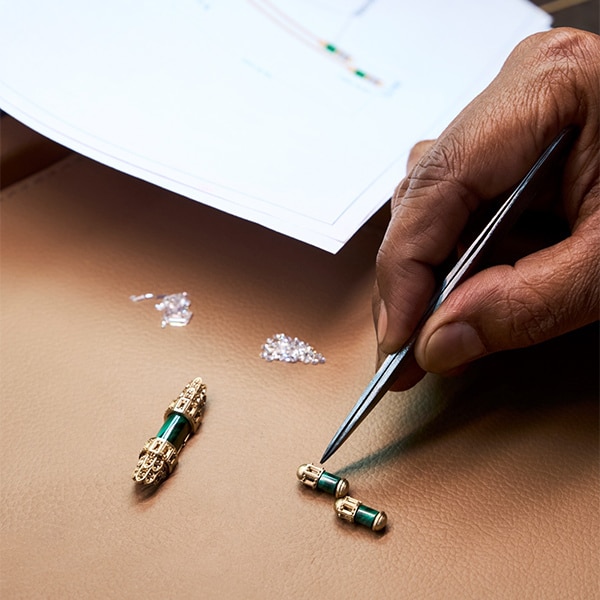
A diamond’s story does not end with its formation. It continues through sorting, cutting, polishing, and setting. What transforms origin into value is accountability. Traceability connects extraction to ownership.
“Digital traceability has been transformative,” says Agarwal. “It allows us to offer clients a clear, documented journey of the diamond from its source to the finished jewel.”
Today, many natural diamonds are assigned unique digital identities at the source. Platforms such as Tracr by De Beers and Sarine Diamond Journey use blockchain-backed systems and digital mapping to record key checkpoints—from mine to market. Provenance becomes traceable rather than implied. Technology is also strengthening confidence in the diamond journey. “Digital traceability platforms have improved transparency a lot,” says Piyush Gupta. “Today, technology allows us to track a diamond’s journey from the mine to the showroom. This builds trust because customers can feel confident about what they are buying. Transparency strengthens credibility for both the brand and the buyer.”
At Mirari Jewels, clarity is central. “Consumers can reliably know where a diamond was sourced and how it moved through the industry,” says Gulati. “Transparency is just as important as craftsmanship.”
For buyers, this translates into tangible checkpoints: recognised grading certificates from laboratories such as GIA, IGI, or HRD; Responsible Jewellery Council alignment; documentation of origin, where available. Transparency should be clear and accessible.
“When a client asks about origin, we provide internationally recognised certification and sourcing information wherever available,” Gulati adds.
When a diamond’s journey can be traced, trust follows. And trust is what transforms origin into meaning.
The Power of Provenance
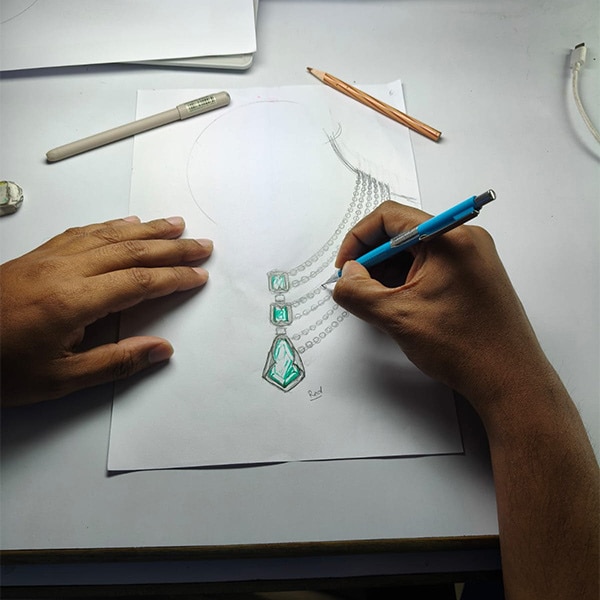
Luxury today is defined less by spectacle and more by substance. Brilliance still matters—but context now completes it. Beyond the traditional four Cs, a quiet fifth is emerging: conscience. There is a growing awareness that how and where a diamond is mined carries as much weight as how it shines.
Natural diamonds sit at the centre of that expectation. Finite by nature and shaped by forces beyond human control, they hold a depth that cannot be manufactured. As Prerna Khurana reflects, “When someone understands that a natural diamond formed billions of years ago under the earth’s surface, it changes how they see it. It stops being just a product. It transforms into a timeless heirloom, a geological miracle that predates human history and will endure far beyond a single lifetime.”
When natural origin is supported by traceable systems and credible certification, beauty gains authority. In a market defined by choice, distinction lies in understanding. Provenance does not compete with brilliance—it sharpens it.
And in doing so, it defines what modern prestige truly stands for.
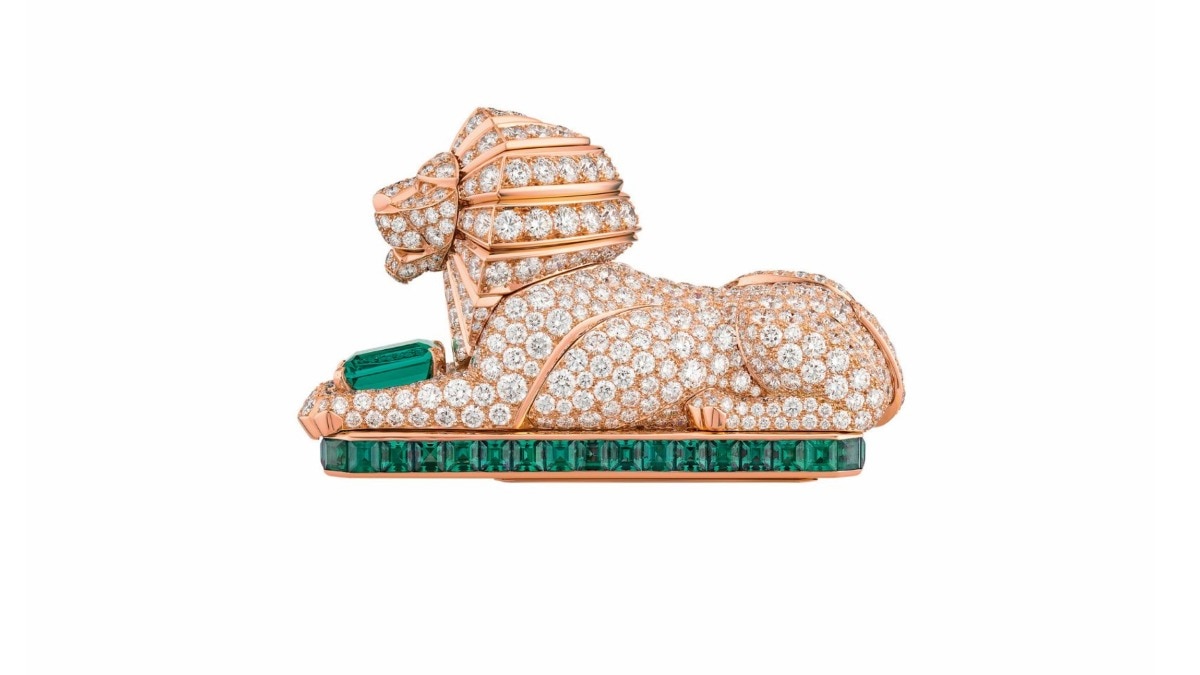
Lead image: Birdhichand Ghanshyamdas Jewellers
Also read: The intimacy of natural diamonds
Also read: Lakshmi Madhavan on Kasavu, diamonds, and her collaboration with De Beers
ADVERTISEMENT
Must Read







ADVERTISEMENT