




ADVERTISEMENT
From Paris to Mumbai, Patou celebrates the joy of dressing
From its Paris atelier to the heart of Mumbai, Patou celebrates women with individualistic expression and a penchant for timeless elegance.

Upon entering Galeries Lafayette in Fort, Mumbai, I was extremely pleased with the interiors—it was a ref lection of Indian craftsmanship blended seamlessly with the French heritage. So playful, joyful, and rich, and I said to myself, ‘Patou was meant to be here in India’,” Guillaume Henry, the Creative Director of the French luxury brand, tells me as we catch up on Zoom. Henry’s zest reflects in the brand’s philosophy and aesthetic alike. Founded in 1914 by Jean Patou, the young couturier wanted to free women from the confinement of restrictive clothing. He designed dresses without corsets, chic skirts, and introduced a sports line. A century later, the joy and ease of dressing persists.
“When I relaunched the brand with the team, seven years ago, I was clear that nobody was waiting for Patou to come back. The only reason that the brand could reappear was if it had something unique to offer. The idea was to create a realistic wardrobe for the contemporary woman,” Henry reflects. He found his muse, and eventually customers in his girl best friends. “I’m a better designer when I know the woman I dress. So, it translated into a joyful wardrobe with colourful, playful, and creative details. It was about fantasy, joy, enthusiasm, and fashion; not the kind that would scream for attention, but one with soul and spirit.”
Being at the helm of brands like Carven and Nina Ricci before taking the reins of Patou in 2018, Henry has mastered the art of straddling his singular design vocabulary with the respective brands’ legacy through the course of his illustrious career. “Growing up, fashion magazines couldn’t really make it to my home in the East of France. I discovered fashion through legacy houses. I wanted to be a designer because of Christian Lacroix,” he reminisces with a smile on his face. Henry is attuned to a brand’s aesthetic identity, but it’s the endeavour to associate more humanly that translates into real design intervention for him. “Talking about Patou, we know that he did invent the idea of sportswear, but it’s not only what he did. I try to resonate with brands on a personal level. If Carven was my best friend, Nina Ricci was my lover, and Patou, my sister. I can only work for brands when I can see that they could be my good friends.” He doesn’t negate the technical aspect behind Patou’s sportswear line, but he sees it more as a movement. The fact that the Jean Patou wanted to help women of his time to live their daily lives in chic, elegant clothes is what resonates deeply with Henry. “I love the aesthetic of the 20s, when Jean Patou was at the top of his career. But am I able to replicate that look? No, especially because it is specific to that time and era. I would rather explore the essence of the brand’s identity and contextualise it for the present day,” he elaborates.
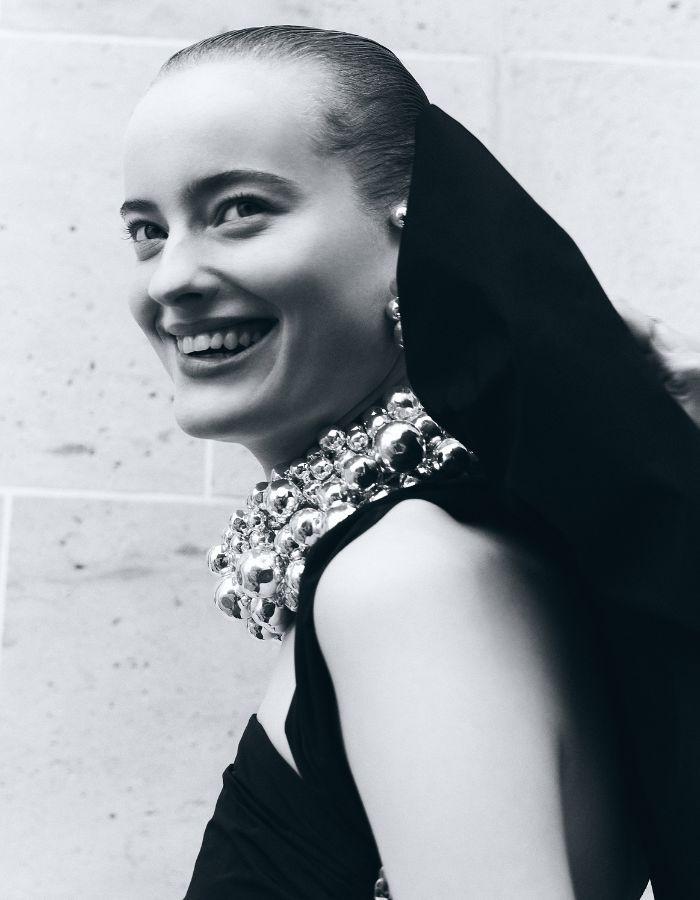
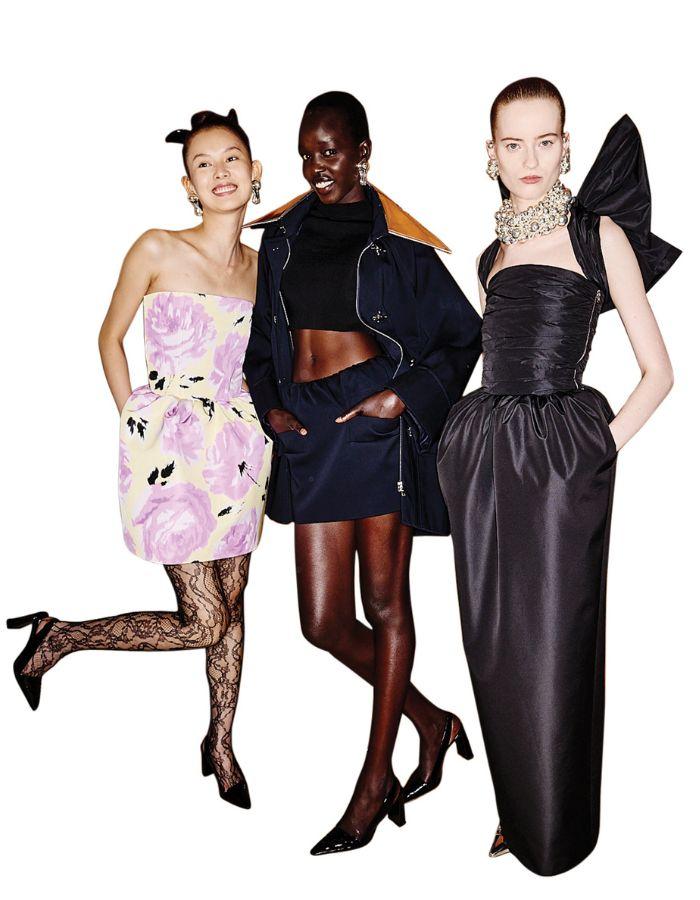
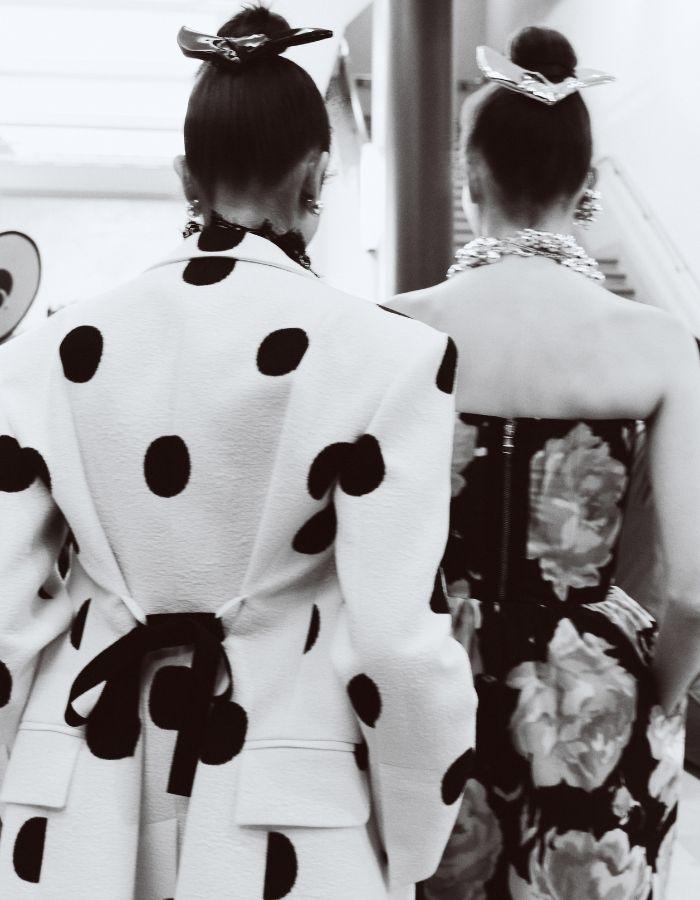
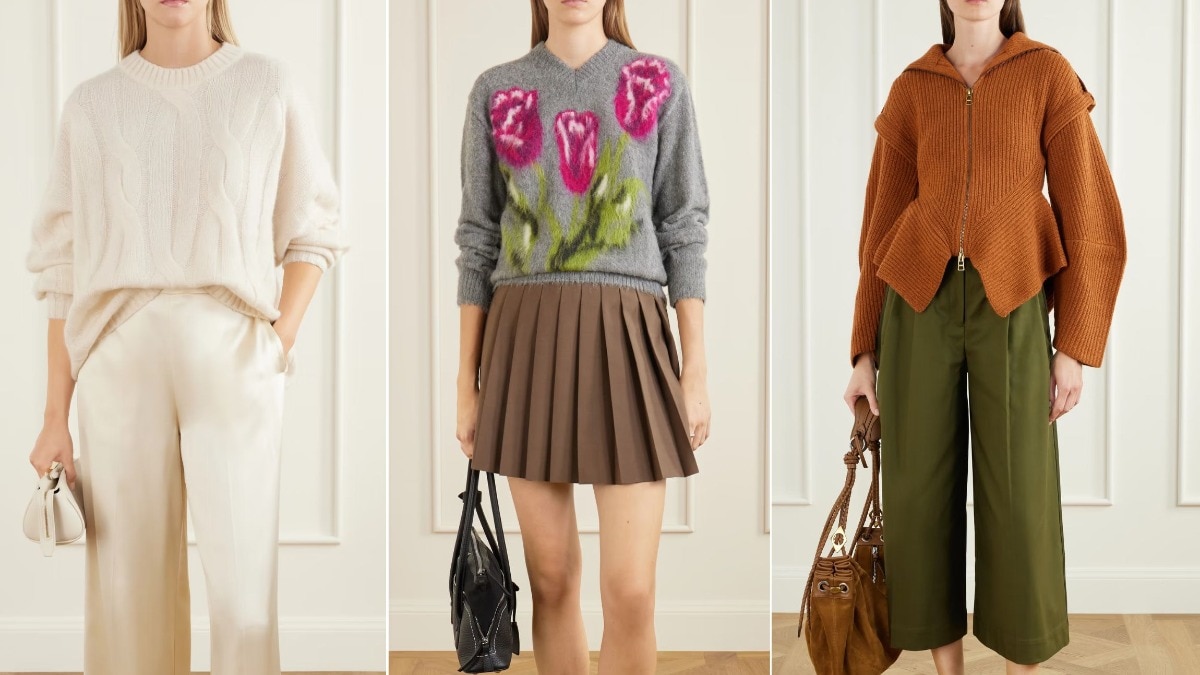
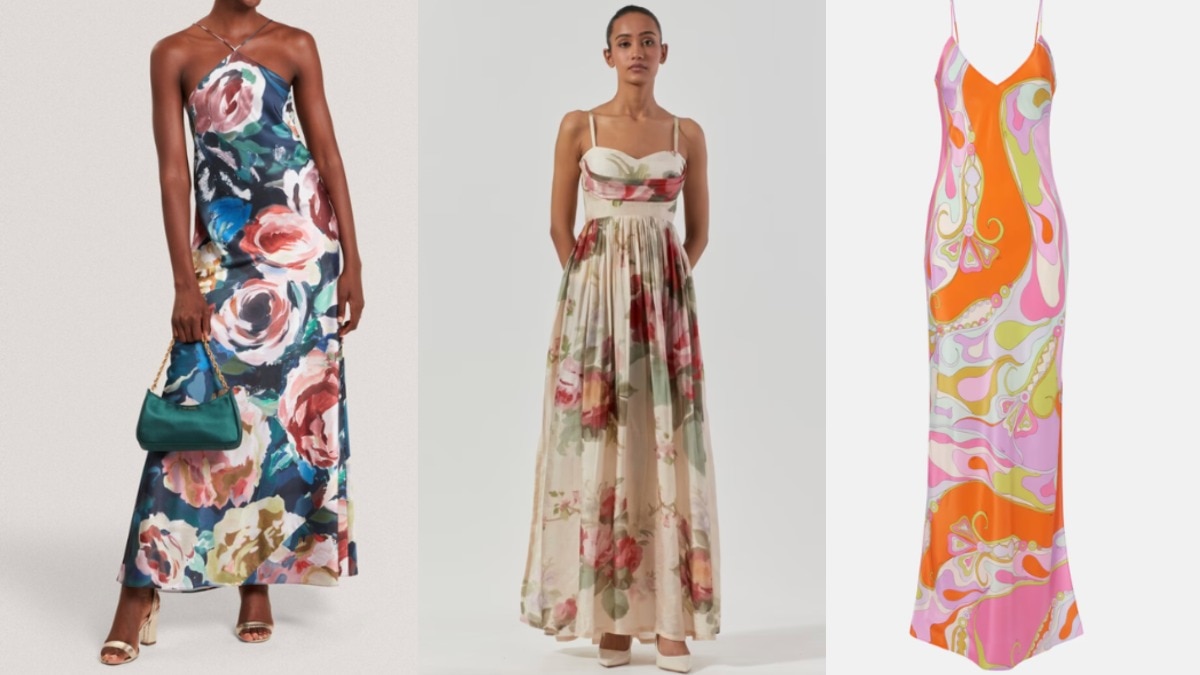
The S/S ’26 collection, Joy, is named after the perfume created by Jean Patou in the 1930s. But Henry isn’t the one to ride high on nostalgia; it’s more of an homage to the emotion itself. “I love clothes because that’s what they’re meant to be. A dress is a dress, a skirt is a skirt, but I love that when there’s an extra soul to it. When I started this collection, I asked myself, who is the Patou woman this season? Where is she going? What’s her life? Is she an outsider or an insider? Is she flamboyant or shy? Does she want to have fun or hide herself? And, it boiled down to evoking ‘joy’ in contrast to the current state of the world.” He believes fashion is not an answer for the problems of the world, he sees it as a delightful escape that we need at times. “I was craving for ‘joy’. While it is the name of the historical perfume, it’s also an important emotion. I wanted the Patou woman to feel joyful.” While the brand caters to everyday ease imagined through refined elegance, it consciously refrains from overtly decorative elements. Prints and embroidered details could still be witnessed in measured extent. Henry has been collaborating with the Indian embroidery and export house, Aamir Beading, in Mumbai, for years.
Patou naturally fits into the evolving global luxury narrative, which is dedicated to creating an ecosystem that is sustainable, fair, and desirable. “Sometimes the term ‘luxury’ makes me a little uncomfortable. It shouldn’t be about screaming for validation, rather luxury should be something much more intimate. That’s the way I perceive it. For instance, luxury could be how the garment feels on the skin, or the most appealing colour palette. To create less is also luxury. We don’t make tons of clothes. What we show is what we sell. What we sell is what we show. A coat is a coat. A skirt is a skirt. There are only two collections in a year. It’s very pragmatic,” he shares. Some of the fabrics at Patou have existed since day one, like their poplin, recycled taffeta, light wool, or the cotton gabardine. “We do change the colours but we’re proud enough to say that 100 per cent of our collection is created out of 100 per cent recycled, organical or biological fabric.” The brand’s packaging is made from certified, environment-friendly, recycled, and recyclable materials. The paper used for shopping bags, hangtags or jewellery boxes are made from scrap leather.
So, what message or emotion do you hope a woman in India feels when she wears Patou for the first time? I ask. “I love fashion when it’s friendly and I’m not saying that you’re supposed to enjoy everything we’re doing. But for sure, at Patou, everybody’s welcome; no matter your age, body type, you’re invited to have fun. And for me, an Indian woman wearing Patou should feel the joy extensively, and create the best memories wearing those clothes. I always tell my team that even if it’s fashion, it allows you to be approachable, and wearing Patou is like going out with a good friend.”
All images: Courtesy the brand / Models in the S/S ‘26 collection, Joy
This article first appeared in Bazaar India's January 2026 print edition.
Also Read: The fashion era that was 2016, explained
Also Read: Naomi Osaka doesn’t play when it comes to fashion
ADVERTISEMENT
Must Read





ADVERTISEMENT