From opera to sautoirs: Why long necklaces are back
After years of jewellery crowding around the collarbone, the necklace is finally finding somewhere else to go.

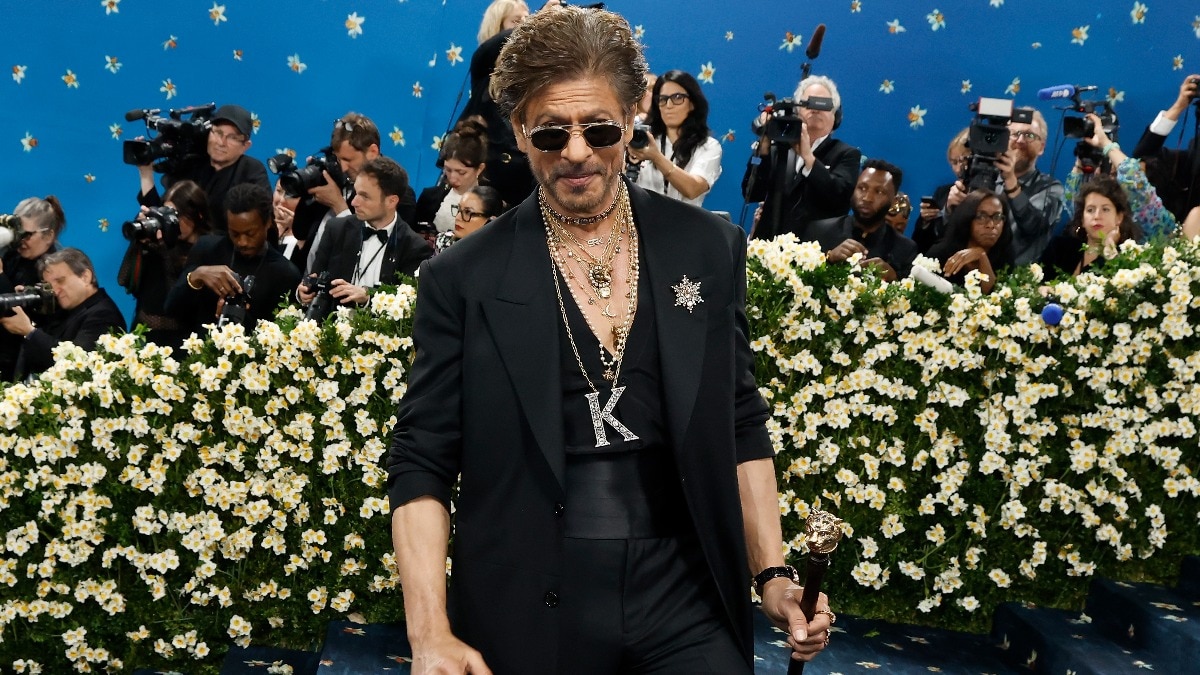
I noticed the necklace first. I'm not proud to admit this, because I was technically at dinner with someone else and we were talking, but the woman at the next table was wearing a gold pendant. Something about the way it moved felt different from how we have been wearing jewellery lately. For the past few years, everything has been happening around the face. Big earrings. Little hoops stacked up the ear. Chokers. Short chains. Three tiny pendants sitting on top of each other around the collarbone.
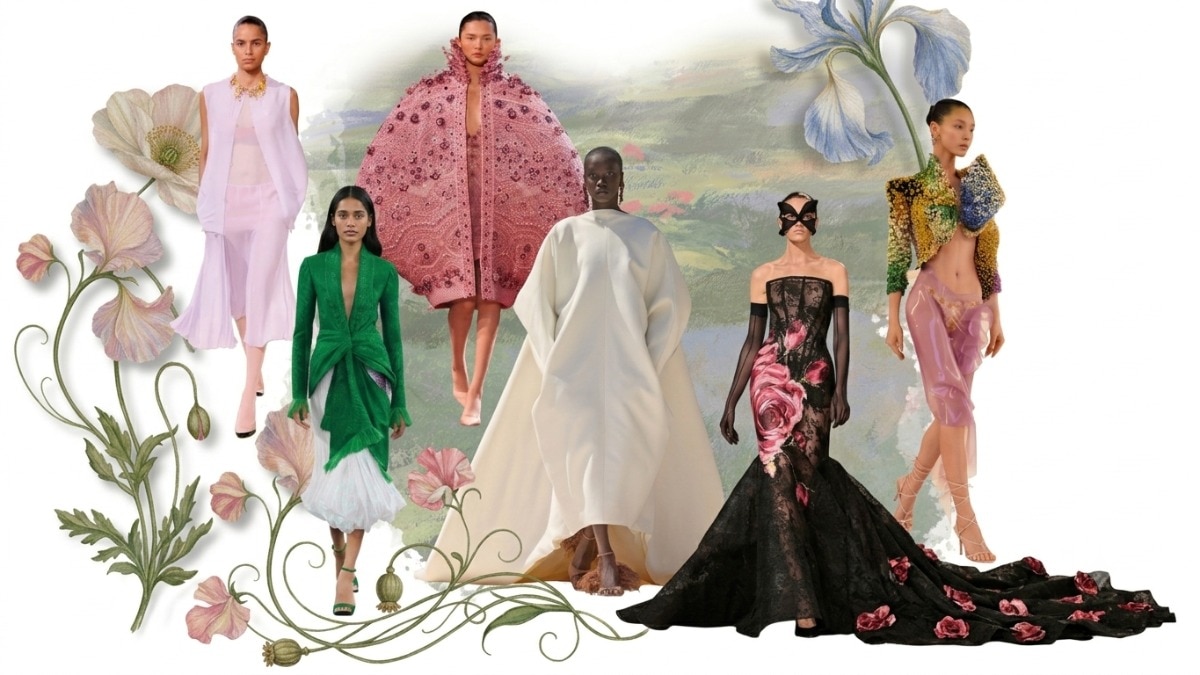
The necklace has been very well behaved. Now it seems to be moving down. For spring 2026, Chloé and Ralph Lauren sent long pendants down the front of dresses and shirts. Michael Kors added tiny leather pouches to necklaces, which is perhaps the most practical thing fashion has done with jewellery in some time. Tory Burch showed long beaded strands ending in stones.
None of this is particularly new. That is part of what makes it interesting. We have seen long necklaces before, most obviously in the early 2000s, when every floaty dress seemed to come with a pendant and a pair of boots. Sienna Miller wore them with the kind of ease that made the rest of us buy several versions and then discover that we looked more like we were attending a pottery class.
Before that, there was the sautoir. The terminology is pleasingly specific. A matinee necklace is usually around 20 to 24 inches and falls somewhere around the upper chest. An opera necklace goes longer, around 28 to 34 inches. A sautoir generally starts at 36 inches and can reach the waist.
Eighteen inches sits politely at the collarbone. Thirty-six inches has plans. The sautoir was particularly popular in the 1920s, when long strings of pearls were thrown over dresses and allowed to move with the body. Chanel made them part of her visual language. Schiaparelli, predictably, had more fun with the idea. Her jewellery included pieces that looked like aspirin tablets, insects and other objects that had no obvious business hanging around a woman's neck.
Indian jewellery has never had quite the same concern about where a necklace is supposed to stop. Look at a rani haar. It can fall from the neck almost to the waist, often layered with shorter necklaces above it. Bridal jewellery takes this even further. There might be a choker, a longer haar, another strand, a pendant, earrings heavy enough to require a separate conversation and a maang tikka connecting the whole thing back to the face.
Nobody looks at a bride and thinks, perhaps the necklace should be a little closer to her neck. Indian jewellery understands the body as a large canvas.
That is what makes the current fashion moment feel familiar to me. The long necklace isn't really introducing a new idea. It takes something we have known for years and makes it work with a white shirt, a blazer, a sweater.
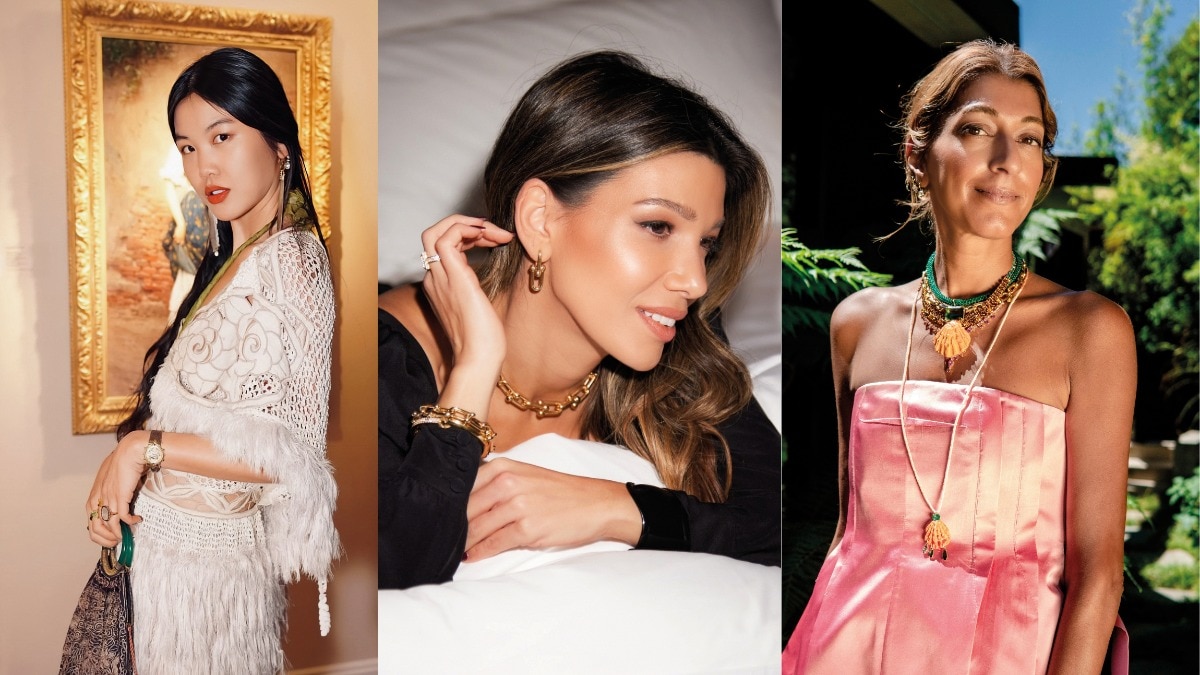
I have started noticing this with older pieces, too. Long gold chains sit in jewellery boxes and only come out for weddings. Pendants that belonged to someone's mother. Pieces bought years ago and worn with saris that suddenly look quite good with a plain shirt.
As the clothes around jewellery change, the jewellery can take on a new life. A long chain over a white shirt is probably the easiest place to start. Leave a couple of buttons open and let it fall naturally rather than trying to position it exactly in the middle. Over a blazer, it breaks up the expanse of fabric. With a simple knit, it creates a vertical line that makes the outfit feel longer. With a sari, it can sit below the blouse and move with the drape.
The important part is not to make it too neat. That is what I like about longer necklaces. They don't stay where you put them. They disappear underneath your shirt. They slide to one side when you sit down. A pendant that started in the centre of your chest can be somewhere completely different by the time dinner arrives.
It also brings attention back to the clothes. A long pendant can make a very ordinary shirt feel considered. It can make a simple dress look less like something you threw on five minutes before leaving. It doesn't necessarily need to be expensive or dramatic. In fact, I think the simplest ones work best.
There is something very satisfying about an old piece of gold doing something completely different from what it was originally bought for. Perhaps that is the real appeal of this return. Not nostalgia for the 2000s, or another cycle of fashion deciding that something we had all forgotten is suddenly essential. It is simply the pleasure of wearing jewellery somewhere other than where we have been told to wear it. The collarbone has had enough attention. Let the necklace go lower.
Image: Getty Images
Also read: London Fashion Week SS27: The shows that deserve your attention
Also read: Inside the jewellery boxes of three discerning collectors