Forget the logo, handmade craftsmanship is fashion's latest obsession
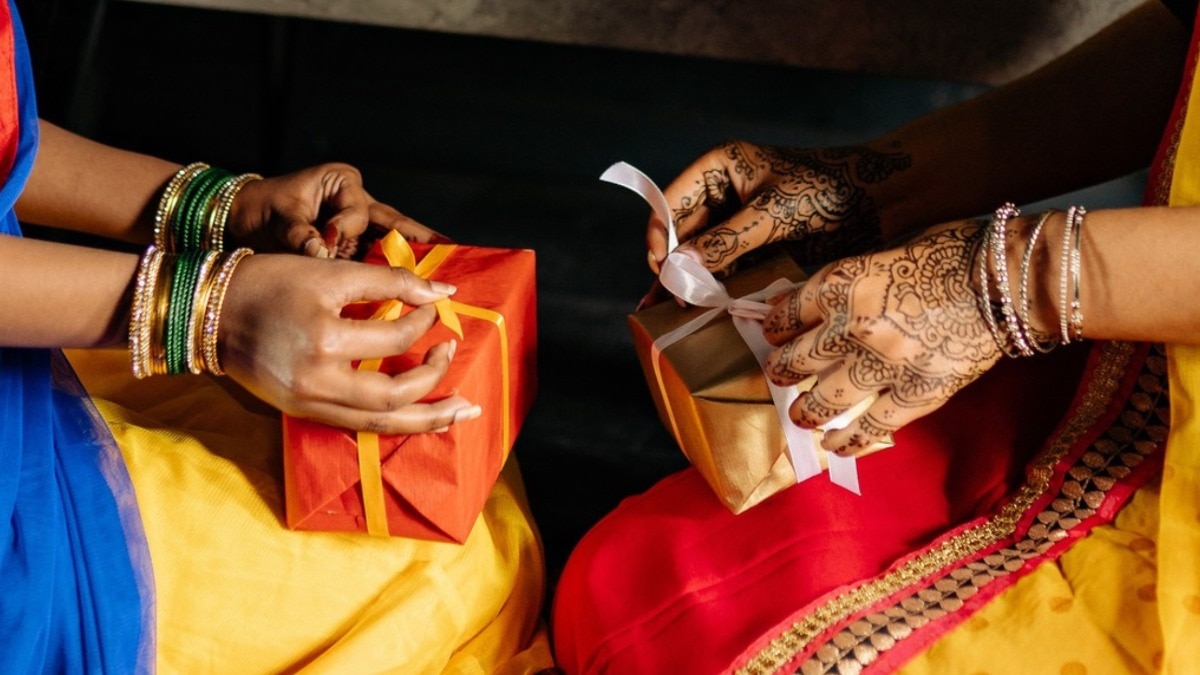
From couture ateliers to Indian handloom traditions, fashion is celebrating the artisans whose skill and attention give every piece lasting value.

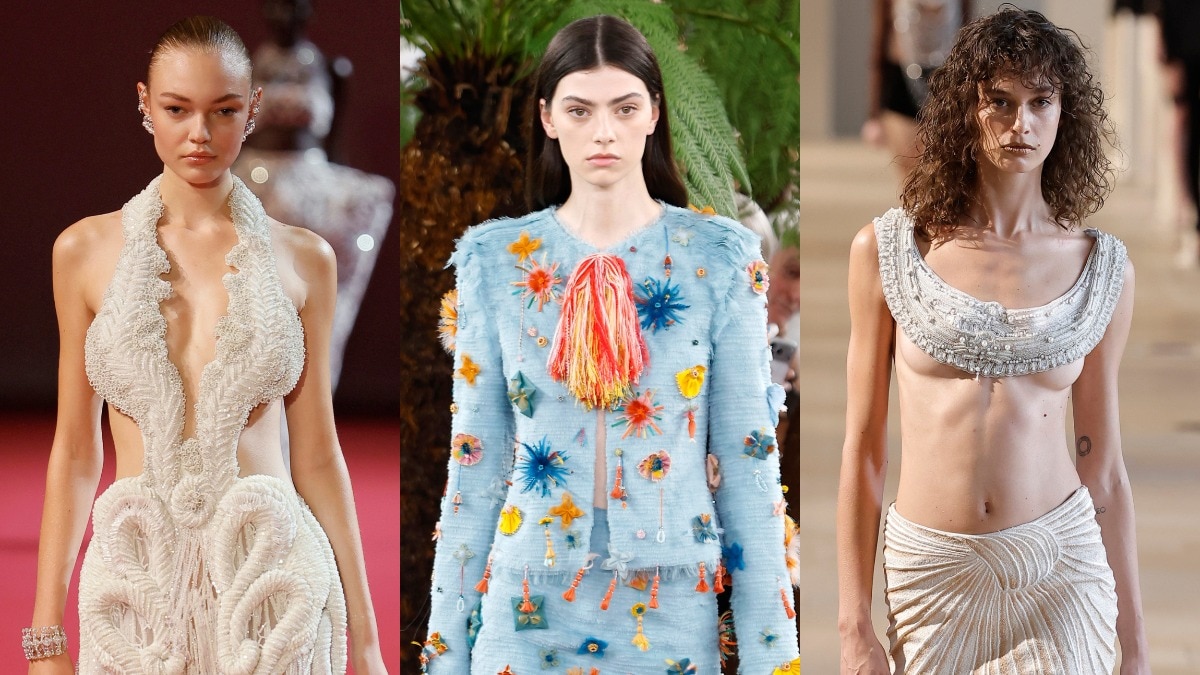
There was a time when luxury announced itself before you even walked into a room. A logo-covered handbag, a recognisable monogram, or a flashy buckle did all the talking. But safe to say the scenario is no longer the same. Today, the most desirable pieces are often the ones that don't scream their price tag at all. Instead, they invite a second look through delicate crochet, embroidery, handwoven textiles, or details so intricate that you can't help but wonder how many hours went into making them.
It is part of a larger shift in how people define value. After years of trend cycles moving at an impossible speed, shoppers are becoming more interested in clothing with a story rather than just a label. Whether it is a hand-crocheted summer dress, a jacket covered in artisanal beadwork, or a saree woven over several weeks, craftsmanship has become a new marker of luxury. Fashion houses have noticed, too, putting artisans and traditional techniques back at the centre of their collections, while consumers increasingly ask not just who designed a garment but who made it.
The beauty is in the hours, not the hype
Luxury has always been about rarity, but today rarity comes from human skill rather than logos and exclusivity alone. A hand-embroidered gown cannot be mass-produced overnight; a crochet top takes patience; and a jamdani weave or chikankari kurta carries generations of knowledge that machines cannot easily replicate.
This renewed appreciation for craft has been visible across recent collections. Jonathan Anderson's debut couture collection for Dior highlighted hand pleating, knotting, and textile artistry, while Schiaparelli and Balenciaga placed the work of their ateliers front and centre instead of relying on obvious branding. Industry conversations during the latest Paris Couture Week repeatedly returned to one theme: the real luxury is the artisan behind the garment.
The same thinking is influencing ready-to-wear. Crochet bags, hand-knitted separates, and embroidered pieces have moved from niche purchases to seasonal staples, proving that handmade details can feel just as modern as they do nostalgic.
India is perfectly placed for this moment
If craftsmanship is becoming fashion's new language, India has been fluent in it for generations. From Banarasi weaving and Kutch embroidery to bandhani, chikankari, and mirror work, the country's textile traditions have long been admired, but they are now enjoying fresh global attention.
Designers like Rahul Mishra have built international recognition by making Indian craftsmanship the hero. Anita Dongre's recent couture collections have celebrated textile traditions including ajrakh, bandhani, and hand embroidery, while a growing wave of homegrown labels is building their identity around artisans rather than logos.
That shift also explains why shoppers are increasingly willing to invest in fewer but better pieces. A hand-embroidered jacket or a woven dress feels personal because no two are ever completely identical. Tiny irregularities become proof that someone, not something, made it.
Perhaps the biggest reason this movement feels so relevant is that it offers something increasingly rare in an AI-driven, algorithm-powered world. Handcrafted fashion reminds us that good things still take time.
Lead image: Getty Images
Also read: There is a beautiful connection between Dior's latest haute couture collection and Ahmedabad
Also read: The designer bags made for Euro summer strolls, seaside lunches, and everything in between