




ADVERTISEMENT
Served in style: The most sumptuous food stories to read this April
Embark upon saffron trails, whisk yourself away to Parisian lunches and delve into the history behind Bombay’s bustling kitchens, all with these books that are powerful reminders of how food serves as memory, history, and irresistible storytelling.

There are books that you read, and certain that you savour. The kind that unfold slowly, rich with texture and taste, where every word feels sensory and steeped in butter, spice, and story. Delicious food writing, at its best, is beyond listing what’s on the plate. It’s also about where it comes from, who made it, and the intimate rituals that surround it. This April, as the season shifts into something warmer and more indulgent, these titles offer a literary feast: one that travels from the historic streets of Mumbai to sun-soaked French kitchens, from royal banquets to deeply personal meals. Each book is a reminder that food is equal parts nostalgic identity and loving sustenance.
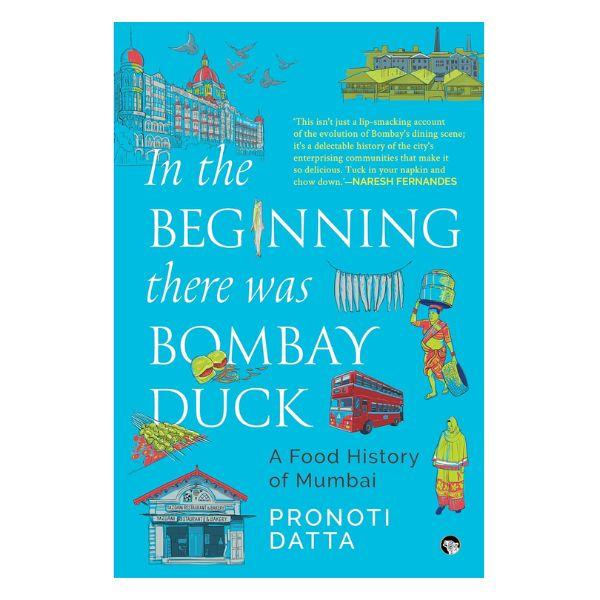
In the Beginning There Was Bombay Duck: A Food History of Mumbai by Pronoti Datta, Speaking Tiger Books
There are many ways to describe Mumbai, and perhaps through food is one of the best ones. Here, the kitchen tales are layered. In the Beginning There Was Bombay Duck traces the city’s evolution through its most iconic restaurants and dishes. Expect delightfully old-school anecdotes like the establishment of Gallops and Gaylord, and vivid accounts of spice markets, fisherfolk traditions and generational recipes that carry entire communities within them. Datta maps how migration, colonisation, and trade shaped what Mumbai eats, weaving together Portuguese influences, Parsi ingenuity, and indigenous flavours into a narrative that feels both archival and immediate. Between the tang of kokum and the slow layering of masalas, there are also glimpses into lesser-known culinary histories, bringing attention to communities and dishes often left out of mainstream narratives, and by contrast, those that have evolved into something completely different, like the railway cutlet. It’s immersive, deeply researched, and utterly transportive.
First Bite: Breakfast Stories from Urban India by Priyadarshini Chatterjee, Speaking Tiger Books
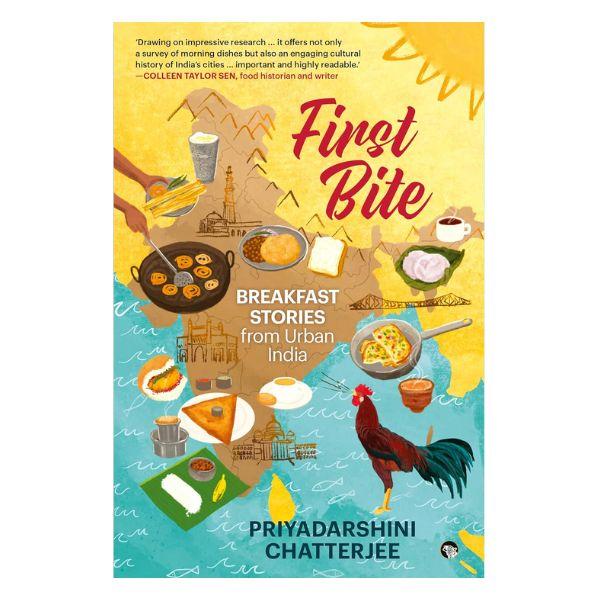
Breakfast, often overlooked in haste, becomes the most meaningful meal of the day in First Bite: Breakfast Stories from Urban India. This collection moves across Indian cities, capturing fleeting, deeply personal moments that unfold over morning rituals. Think filter coffee in Chennai, buttered toast in Kolkata, poha in Indore. In Chatterjee’s deft hands, each story is anchored in a specific dish, but what lingers is the emotional richness of food. It’s a narrative device that reveals history, culture, and relationships through what’s eaten. We, the readers, are taken along to try kachi lassi in Amritsar, learn the history of jalebi-fafda in Ahmedabad, and discover malai in the khoya mandi in Varanasi. The writing is affable and evocative, much like the meals it describes. The beauty lies in its specificity, in how a simple breakfast plate can hold entire emotional landscapes. There’s a quiet observational sharpness to the writing, capturing the stillness and urgency of mornings in equal measure.
Saffron: A Global History by Ramin Ganeshram, Pan Macmillan
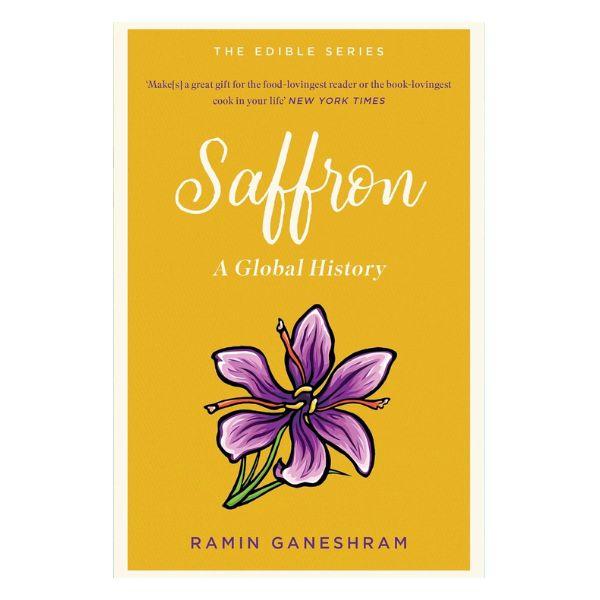
Few ingredients carry the mystique of saffron, and Saffron: A Global History treats it with the reverence it deserves. Ganeshram traces the spice’s journey across continents, from ancient Persian fields to Mughal kitchens and European courts, unpacking its role as both culinary treasure and cultural symbol. The book offers fascinating insights into the labour-intensive harvesting process, the economics of its rarity, and its transformation into a marker of luxury and ritual. Alongside history, there are glimpses of how saffron is used. Infusing drinks, desserts, and ceremonial dishes with its unmistakable hue and aroma, it is delicate, complex, and golden at its core. What elevates this account is its attention to detail: the fragility of each stigma, the sheer scale of labour behind even a gram, the centuries of trade routes that carried it across empires. It’s as much about human effort as it is about flavour, revealing saffron as both an ingredient and an icon.
Cooking and the Crown by Tom Parker Bowles, Aster (Hachette)
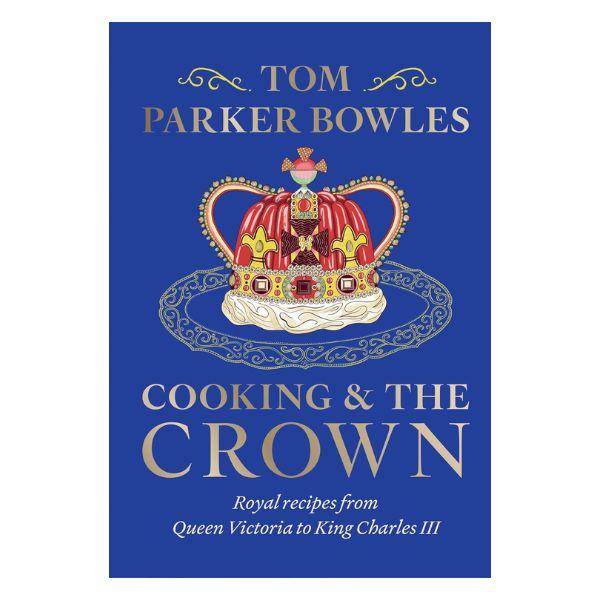
Cooking & The Crown offers a rare glimpse into royal kitchens, tracing British culinary traditions from Queen Victoria to King Charles III. Parker Bowles combines archival research with recipes once served at royal tables, revealing how food reflected shifting tastes, politics, and cultural influences. Read about everything from opulent banquets to surprisingly simple dishes, each tied to a specific moment in history. The aristocratic breakfasts and gastronomic feasts include dainty dishes like Queen Mary’s Birthday Cake and Birkhall Scones. The writing balances wit with authority, making it as interesting as it is informative. The narrative goes beyond spectacle, delving into how royal preferences shaped national tastes and how global influences filtered into palace kitchens.
Cooking for Picasso by Camille Aubray, Ballantine Books
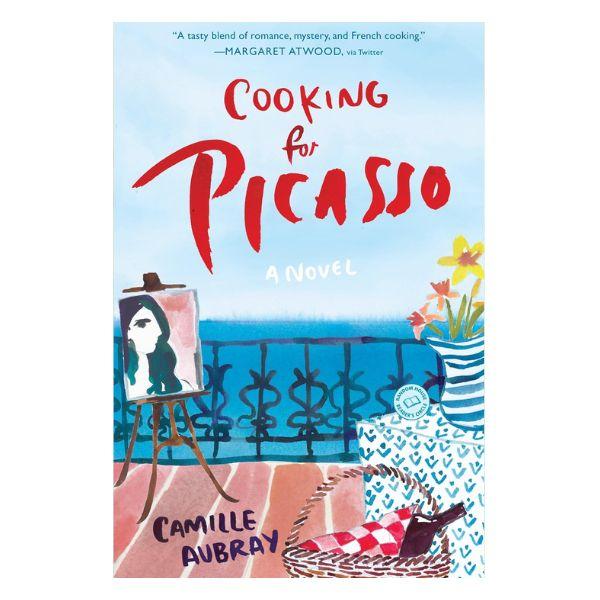
Set against the sunlit backdrop of the French Riviera, Cooking For Picasso blends art, appetite, and ambition into a richly textured narrative. The story follows Ondine, a young cook whose culinary talent brings her into the orbit of Pablo Picasso. Aubray describes food with artistic precision, from delicate sauces to market-fresh produce that feels almost within reach. As the narrative shifts between past and present, recipes become clues, linking generations and revealing hidden histories. There’s a dreamy quality to the prose; think sunlight on olive oil, the gloss of ripe tomatoes, the rhythm of a working kitchen. It’s indulgent and cinematic, with meals that feel as carefully composed as a painting; each ingredient placed with intention, each flavour telling a story.
Cook, Eat, Repeat by Nigella Lawson, Chatto & Windus
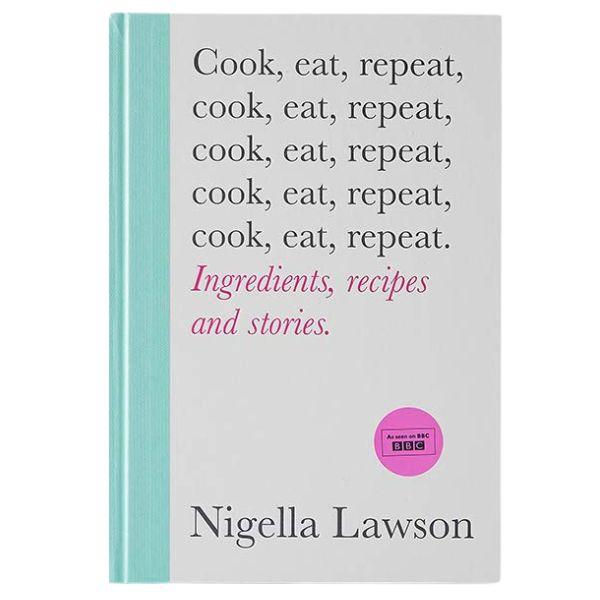
With Cook, Eat, Repeat, Nigella Lawson turns everyday cooking into a tradition that's layered and decadent. The book moves between essays, recipes, and reflections, exploring how food shapes routine, comfort, and creativity. Ingredients take centre stage: brown butter, chillies, cherries, and almonds. Each is examined for its transformative potential. Recipes feel generous yet unfussy, designed to be returned to again and again. Lawson’s writing is, as always, indulgent without excess; rich in detail, grounded in pleasure. What sets this apart is Lawson’s ability to elevate the ordinary: the therapeutic pleasure of cooking, the reassurance of repetition, the sensory satisfaction of familiar flavours. There’s warmth and intelligence in equal measure, making this not just a cookbook, but a meditation on the art of cooking in the comfort of home.
Lunch in Paris: A Love Story, with Recipes by Elizabeth Bard, Back Bay Books
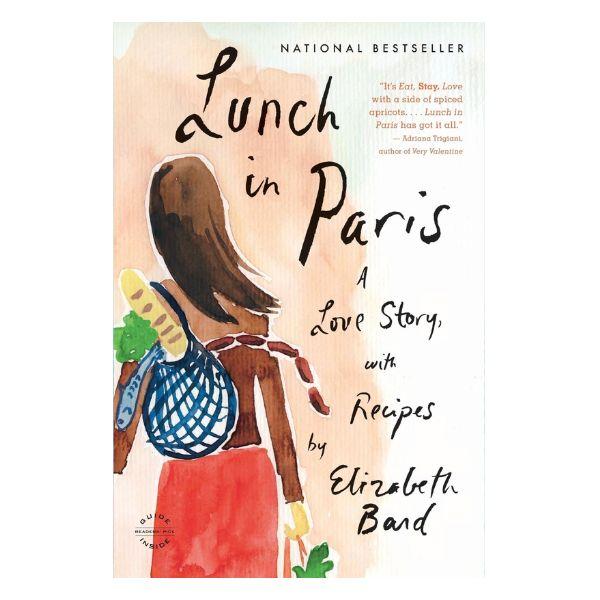
In Lunch in Paris: A Love Story, with Recipes, food becomes the language of love. Bard’s memoir chronicles her move to Paris and her relationship with a Frenchman, unfolding through meals that are equal parts discovery and devotion. From market visits to mastering classic French dishes, the narrative is rich with irresistible details, like warm baguettes, melting cheese, decadent soufflés, and pastel gelatos. Recipes are woven seamlessly into the story, offering not just instruction but context as to why a dish matters, when it’s eaten, and how it feels to make it. What makes this memoir linger is its emotional honesty: the vulnerability of starting over, the negotiation between cultures, the slow building of intimacy. Food becomes both anchor and adventure, marking milestones in love and self-discovery.
Lead image: Getty Images
Also read: Objects of desire: The defining coffee-table books for March
Also read: Bestselling author Alice Feeney on the delicious power of secrets
ADVERTISEMENT
Must Read






ADVERTISEMENT