Bestselling author Alice Feeney on the delicious power of secrets
From seeing 'His & Hers' brought to the screen to readers relishing her latest novel, 'My Husband’s Wife', the bestselling author reflects on performance, marriage, and the art of deception.

Before she became one of the most recognisable names in psychological suspense, Alice Feeney spent fifteen years reporting facts for the BBC. Today, she dismantles them for a living. Her novels are taut, twist-laden and emotionally incisive.
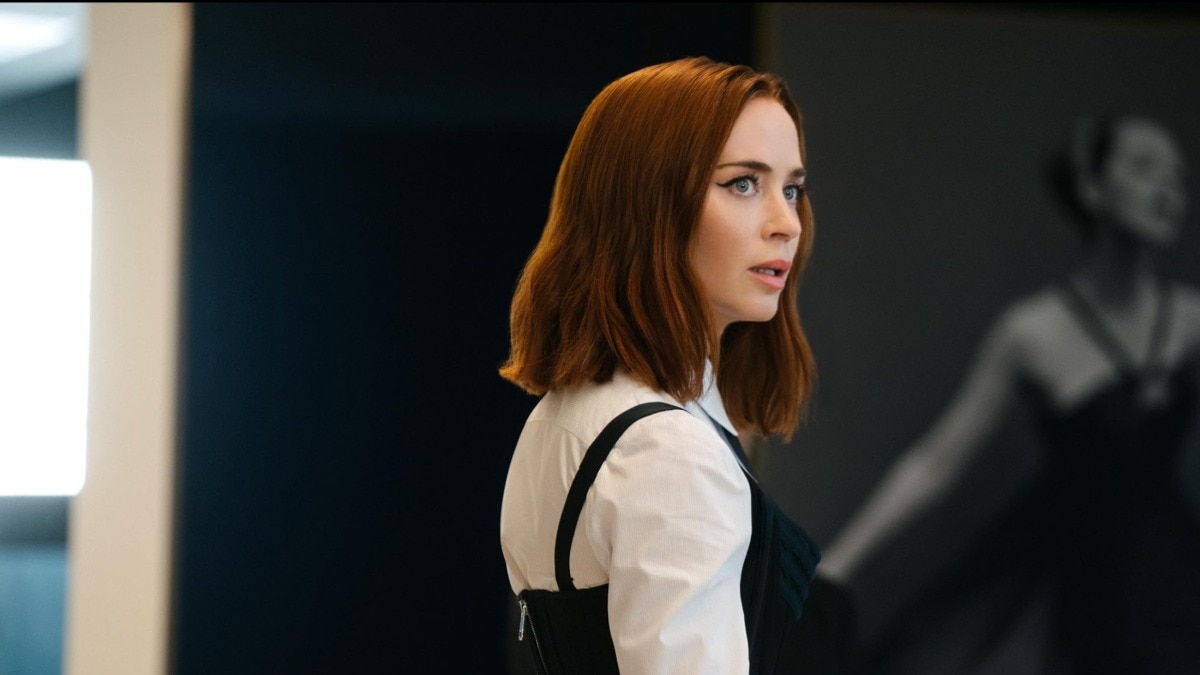
Now, with His & Hers adapted for Netflix, Feeney’s carefully constructed world has expanded beyond the page. The journey from a shed in 2019 to a set in Atlanta in 2024 was six years in the making. Visiting the production, she has said, felt like “magic”; a rare moment when imagination becomes tangible.
Her latest novel, My Husband’s Wife, centres around a wife going for a run, just like every other day. When she comes home, her key doesn’t fit the lock, a woman eerily similar to her opens the door, and her husband insists that the stranger is his wife. It’s a tangled web of deception and mystery that will keep you guessing until the last page.
Whether she is exploring the dynamics of marriage, the seduction of performance, or the quiet menace of domestic life, Feeney understands that suspense lives not in the twist itself, but in what we choose to conceal. In this conversation with Harper’s Bazaar, she speaks about the discipline it takes to craft deceptions and dual perspectives.
HB: You spent fifteen years as a BBC journalist before becoming a novelist. What did journalism teach you about truth, and how do you now enjoy bending it?
AF: I’ve always been obsessed with stories. The only thing that separates the stories I told at the BBC from the ones I write now is that journalism is all about telling the truth, and being an author is all about offering readers an escape from reality.
It is ten years this year since I quit my job as a BBC journalist and became a full-time author. It took me a long time to get published, and I spent almost ten years before that collecting rejections. The truth is I feel incredibly lucky and grateful to have the best job in the world. So much so that I sometimes still struggle to believe that my life now is real.
HB: You’ve described His & Hers as your “best behaved book” because it took only three months to write. Do the “well-behaved” stories feel different creatively than the ones that fight you?
AF: Every book has behaved differently. My books are my children, and some are definitely better behaved than others, but I love them all.
Sometimes the stories that were the most difficult to write go on to do very well. I enjoy the whole process, even when it’s hard. Writing books like this is as much of a puzzle as reading them, and I like puzzles! Every year, I try to write a book I would want to read. And every year, I try to make it better than the last one.
HB: In My Husband’s Wife, the protagonist faces a situation where nothing is as it should be, and the seed of the idea was planted when something similar happened to you. Could you take us through your thoughts?
AF: The story for My Husband’s Wife was born inside my head when I came home from a run and found a stranger in my house. The door opened, and they were just standing there staring at me.
In real life, it was someone my husband had let in while I was out, but a stranger opening my front door and standing in my hallway, and the shock it gave me, sparked the idea.
A lot of my books have started that way, with a real-life event that either scares me or provokes my mind to think "what if." From that initial seed, it can take anything from three months (His & Hers) to five years (Daisy Darker) for me to have a finished book.
HB: Your books are often constructed like intricate puzzles. Do you begin with the twist, the emotional core, or the character?
AF: I tend to fall in love with a character or a twist, and then the story develops from there. Birdy in My Husband’s Wife lived inside my head for years before the right story came along for her to inhabit. I have a lot of stories in my head; they are quite loud, and I tend to think about them for a long time before I write a word. Every book is at least a year of my life.
HB: Which has been the trickiest book to plot to date?
AF: Funnily enough, the next one. My tenth book (coming in 2028) has lived in my head for years. She has changed shape a few times since then, but the pieces have finally settled, and I am excited to finally write her. I have been plotting this one for years!
HB: Deceptive bonds recur in your work, including in My Husband’s Wife. What is it about the nature of relationships that feels so ripe for suspense?
AF: I find relationships and the conflict that exists in almost all of them fascinating. The book opens with the line “Everybody lies, and everybody dies. Those are two of the only things you can be certain of in an uncertain world.” And I think that is true.
As a species, we all lie all the time. And often to ourselves, we can’t help it. Our memories can make liars of us all, and it’s that need for deception, often for the sake of self-preservation, that fascinates me.
HB: Settings often play a key role in thrillers. Is atmosphere something you consciously design, or does it emerge instinctively?
AF: For me, the setting is often a character in the book. My Husband’s Wife is set in a pretty fishing village called Hope Falls. It looks picturesque and perfect, but just beneath the surface, there is something ugly and resentful simmering.
Many of the houses in Hope Falls have become holiday homes, so in winter the village feels deserted and lonely. The setting reflects the emotions of the main characters, and so the setting becomes a character itself in order to reflect the story.
HB: Who are the authors that have influenced you and your writing?
AF: I read a lot as a child, and it definitely influenced the writer I have become. I read a lot of Stephen King books when I was probably a little bit too young to be reading a lot of Stephen King books, which might be why my stories tend to be on the darker side.
HB: The thriller genre has exploded in popularity over the past decade. What do you think readers are seeking right now: escapism, catharsis, or confrontation?
AF: I think with the world the way it is now, we’re all looking for the emergency exit. Books are the best form of escapism that I know.
HB: In an era of constant visibility—social media, streaming, adaptation—how do you protect your creative process?
AF: I’m pretty good at closing the door on the real world. When I retreat inside a book, I tend to stay there. When the real world gets too loud, there is no safer place to hide than inside the pages of a good book.
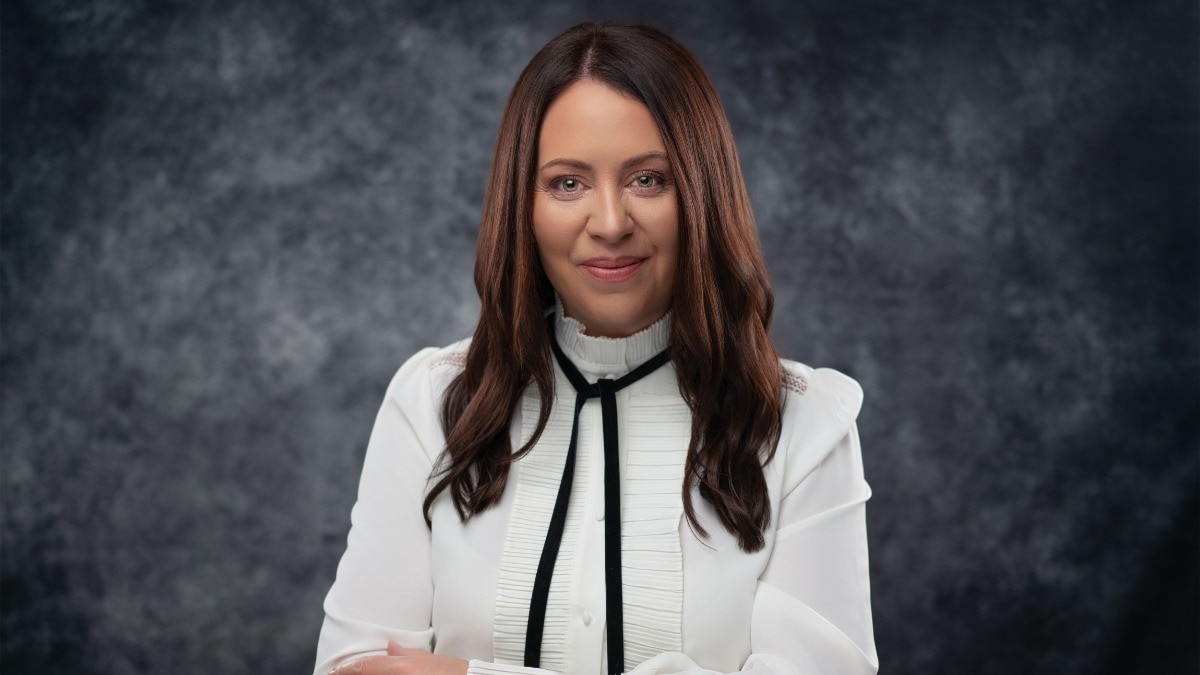
Lead image: Alice Feeney
Also read: Objects of desire: The defining coffee-table books for March
Also read: The essential February book-list if reading is your love language