




ADVERTISEMENT
Inside Serendipity’s 10th edition and its expansive take on art in Goa
The city is the stage.

By the time December comes, Goa has already shaken off the languor of monsoon. The air turns cooler, and Panjim—often overlooked in favour of beaches—steps into focus. For 10 days this winter, the capital city will once again belong to art.
From December 12 to December 21, Serendipity Arts Festival returns to Goa for its landmark 10th edition, marking a decade of cultural placemaking that has steadily grown from an ambitious idea into one of South Asia’s most expansive, inclusive arts festivals. This year, the scale is unmistakable: over 250 projects, 35- plus curators, and an entire city doubling up as both host and collaborator.
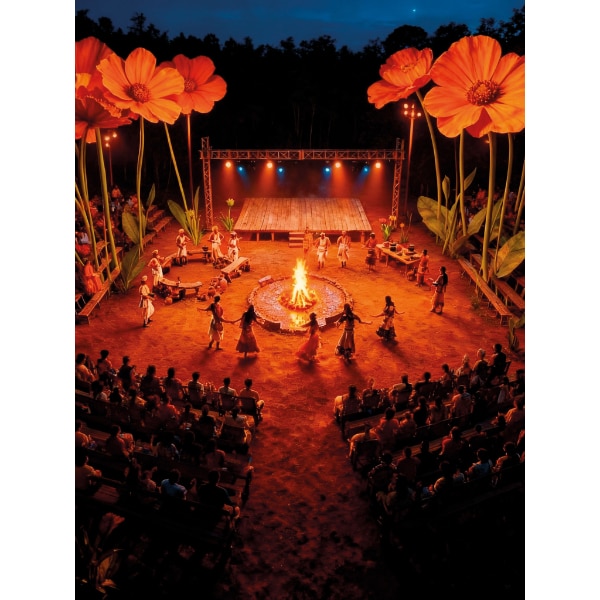
What Serendipity has always understood and practiced is that art does not live inside cubes or theatres. It spills, wanders, and gathers meaning as it moves. Unlike traditional festivals anchored to a single venue, Serendipity unfolds across heritage buildings, riverfronts, auditoriums, jetties, hilltop arenas, and public parks. It thrives on piquing people’s curiosity. That spirit feels especially potent in its tenth anniversary. This year, the festival has travelled far and wide—through Birmingham, Ahmedabad, Delhi, Varanasi, Chennai, Gurugram and Dubai. And now the Goa edition feels less like a finale and more like a homecoming.
This year’s theatre programme is one of Serendipity’s most compelling yet, traversing form, language, and politics. There’s Nihsango Ishwar, a meditative exploration set on the final day of Krishna’s life. At the other end of the emotional continuum is Bob Marley from Kodihalli, which uses humour and reggae-inflected rhythm to examine the lived realities of Dalit youth navigating so-called liberal urban spaces.
Epic narratives too find space here. The Legends of Khasak, inspired by OV Vijayan’s iconic novel, unfolds as an immersive theatrical journey with myth, realism, and memory braided together. Meanwhile, Kavan, written entirely in poetry and song, captures a restless, ambitious India grappling with its contradictions. But what binds these diverse works is a refusal to simplify. They demand time, attention, and emotional honesty.
Serendipity is incomplete without its beloved River Raag series. These daily concerts on Mandovi river blur the line between classical devotion and contemporary dialogue. But the mood shifts at Nagalli Hills Arena. Here, high-energy evenings range from blues and funk sets by SlyFly and The Blues Company, to nostalgic Bollywood nights and genre-defying fusions such as Beat Route, which reimagines India’s percussion traditions through a contemporary lens.
Jazz, folk, electronic soundscapes, and experimental collaborations unfold across venues, reminding us that India’s musical future is as plural as its past.
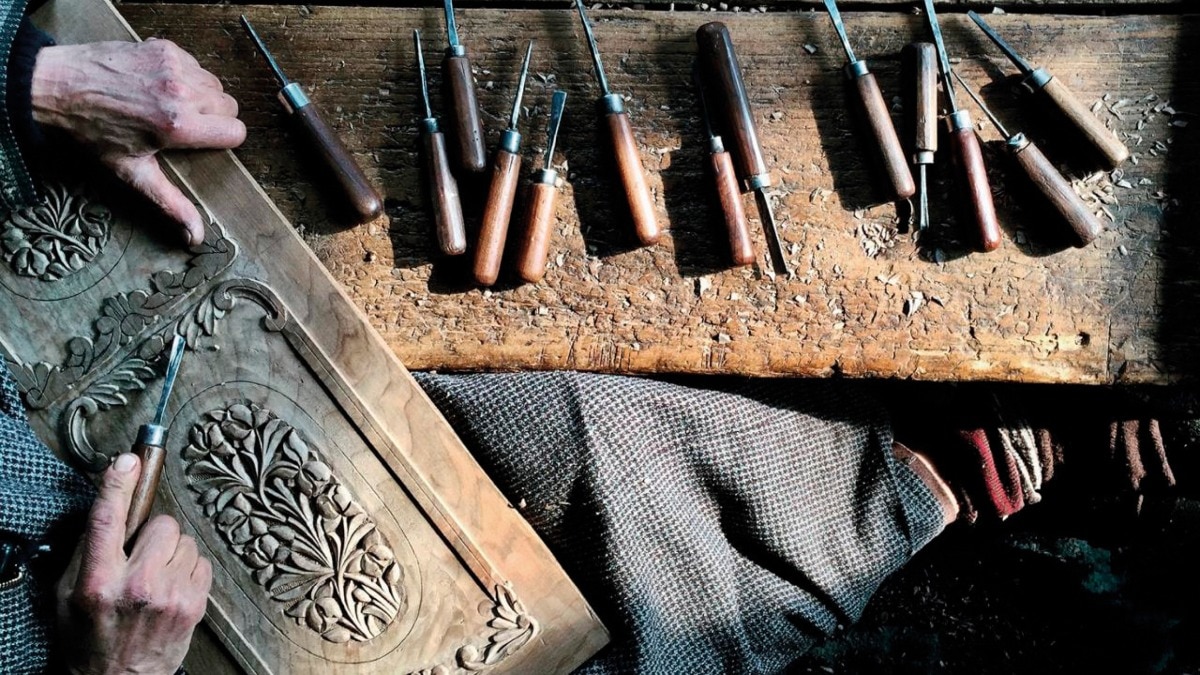
Plurality finds a loud voice in the visual arts section at Serendipity too. From participatory installations like Thukral and Tagra’s Multiplay 02: Soft Systems, designed as a sandbox for collective care, to projects documenting Kashmiri craft ateliers and coastal histories, the exhibitions resist the idea of speaking in unison. This year, large-scale public installations will spill into streets with mythical creatures rising from Panjim’s living traditions.
At Serendipity, everyday materials are often reimagined as carriers of memory, whether it is miniature effigies archived with reverence, or photography-based projects that ask pertinent questions like What does home mean? How do we archive displacement? Similarly, Serendipity’s culinary programmes explore food not as indulgence, but as an archive. Chef-led installations, tastings, and workshops trace the emotional and ecological histories of what we eat. What Does Loss Taste Like? is a multisensory meditation on vanishing flavours and biodiversity. Goa Is a Bebinca in Fontainhas delves into the layered migration stories with performance, memory, and tasting.
Part of Serendipity’s enduring appeal lies in its openness. At its heart is a simple belief: culture is not a luxury, but rather a shared resource. In an increasingly fractured world, Serendipity offers a space to gather, listen, disagree thoughtfully, and experience culture without gatekeeping.
So, this December, come curious to Panjim and let the city surprise you.
All images: Serendipity Arts Festival
This article first appeared in the December 2025 print issue of Harper's Bazaar India.
Also read: 10 timeless ways to celebrate New Year's Eve without sequins or small talk
Also read: The ultra-rich are done hoarding bags and watches; they're now investing in experiences
ADVERTISEMENT
Must Read




ADVERTISEMENT