




ADVERTISEMENT
A reading list for those who like their fiction unconventional
Six compelling new works of fiction explore divorce, identity, war, grief, ambition, and the boundaries of storytelling.

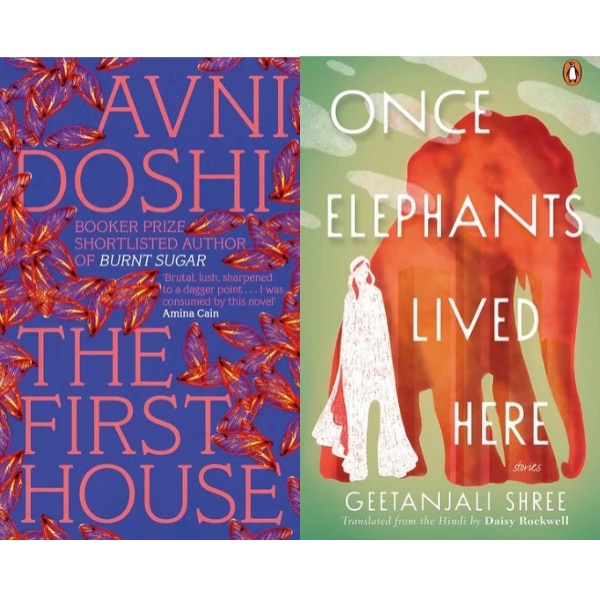
After the Booker-nomination success of her debut novel Burnt Sugar (2020), Avni Doshi returns with her sophomore work of fiction. Dubbed by some as a divorce novel and by others as a tale of exorcism, The First House follows the story of a married woman—long out of touch with her former creative self—as one fine day she is greeted with the news of her husband divorcing her. In the lineage of novelists before her like Elena Ferrante and Kate Chopin, Doshi uses this as a trigger incident to paint for us the bare bones of a marriage and the portrait of a woman coming undone. No longer moored by the certainty of domesticity, Doshi’s narrator begins having visions of mythical comings and the prophecies of ancient goddesses as she struggles to gain a grip on her reality, surrounded by her two daughters in the hostile suburbs. The vision of an Amazon goddess haunts her, and over the course of the summer, as cicadas buried 17 years ago prepare to emerge in a transformational plague, the woman finally gathers her tribe. Rich in its textured understanding of the interiority of women, magical in its exploration of the stars that influence our lives, and clinical in its dissection of the patriarchy that rots marital domesticity, this is an assured work of strong fiction from one of the most important wordsmiths of our times.
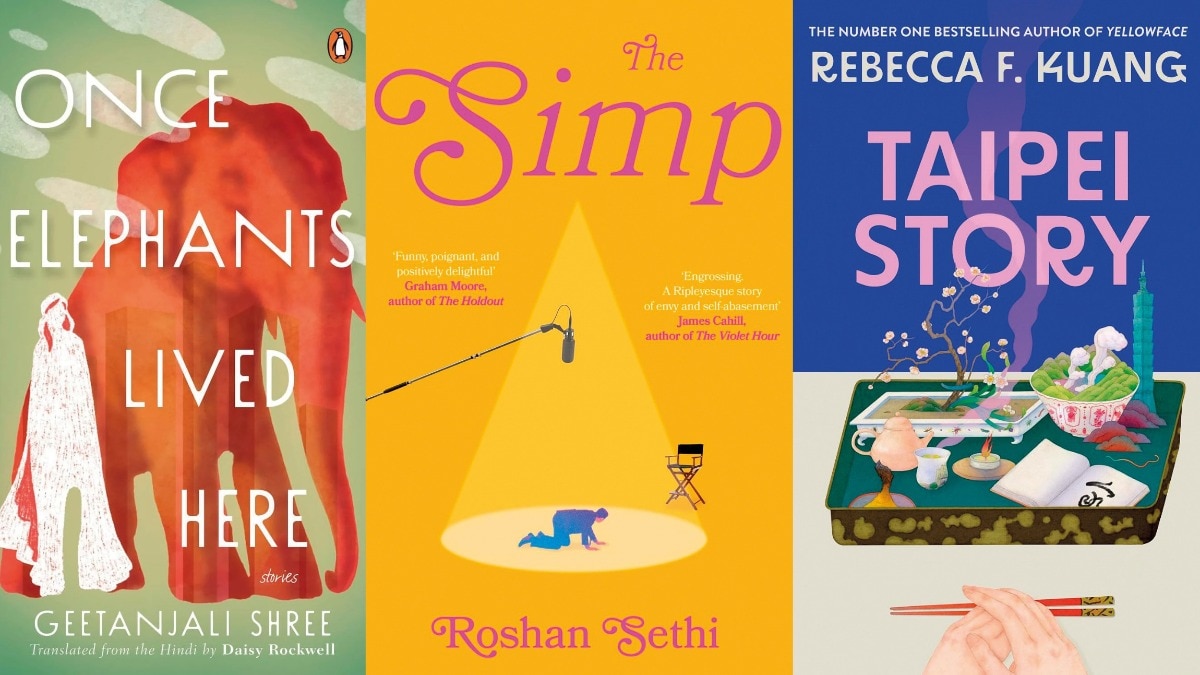
Translated by Daisy Rockwell from the 2007 Hindi original (titled Yahaan Haathi Rehte The), Once Elephants Lived Here is a collection of 11 stories by Booker-winning author Geetanjali Shree and covers a variety of themes, complete with early seeds of Shree’s trademark stylistic experimentations. Pushing the boundaries of both linear narratives and genre conventions, each story in this collection, in its own way, attempts to question the existing norms of the short story as a stylistic form. In one story, a woman spends all day compulsively walking in circles around her housing complex, with no introduction, explanation, or denouement. In another, and my personal favourite, a woman goes on a writer’s retreat with robots and falls passionately in love with the sky. Plot breaks, broken sentences, grammatical liberties, newly minted words, and new narrative structures are to be found on every page of this collection. A short read that commands your complete attention and submission, this is essential reading for anyone willing to explore the formalistic origins of one of Indian literature’s most original contemporary voices.
After the global success of A Nice Indian Boy (2024)—a heartwarming, gay romantic comedy of a family drama— director Roshan Sethi now turns his attention to fiction and the written word with his debut novel The Simp. It follows the story of Raj Ladlani, a morose and unemployable actor leading an anonymous life in Los Angeles. He works part-time at a frozen yogurt store while obsessively reading Vanity Fair, fantasising about stardom and clinging to the encouragement of his ageing coach. One day, his travails miraculously come to an end when he answers a job advert detailing a relentless, laughable parade of menial responsibilities for a “Hollywood Family”. And thus begins the astonishing bildungsroman-esque chronicle of Ladlani’s fall and decline. Working as an executive assistant to Jim H, a massive, macho director, and his young trophy wife with secret writerly ambitions, Ana H, Ladlani discovers a world where histories of race and colonialism collide in frighteningly shocking and comic ways to reveal the true costs of pursuing one’s dreams of fame. Written in the lineage of works like Thackeray’s Vanity Fair, the novel, which is inspired by true events, is a brilliantly crafted, acutely observed portrait of the current state of the media industry.
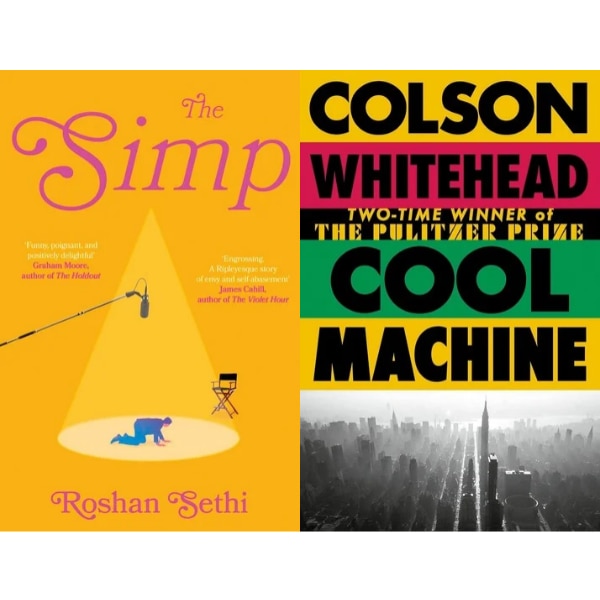
Set in 1981 as the final installment of his Harlem trilogy, Colson Whitehead’s Cool Machine follows successful business owner Ray Carney, who has just been named Sterling Furniture’s Dealer of the Month in early Reaganera America. But when the banks refuse his wife a loan for her travel agency, Carney gambles on a heist and finds himself entangled with a legendary criminal mastermind. The story jumps to 1983, where Carney’s friend and partner-in-crime, Pepper, takes on a bodyguard gig and is plunged into the alien territory of the East Village art and club scene, where everyone speaks a similar language of violence. And as we arrive in the summer of 1986, Carney must make amends for his past mistakes by pairing with a friend from the past and plunging himself headlong into saving a family member from the clutches of city violence that he had left behind long ago. With his usual measured prose, Whitehead paints a picture of a New York in transition, where, gripped by the limits and excesses of Reaganism, shimmering skyscrapers stand next to displaced people huddled in abandoned tunnels. In a dazzling display of protean imagination, Whitehead draws a searing portrait of the New York he saw in his childhood, but one whose darkness he chronicles with the ample patience of a consistent lover.
Be well warned, Paul Yoon’s Etna is not for the fainthearted. Set in a fictional country in the present day, this is a story told through the eyes of an—wait for it—ex-military dog, Etna. After surviving years of a devastating war, Etna decides one night to leave the men he has fought alongside for years and return where he was taken from when he was young, in the thin but persistent hope that if a home exists for him, it might be there. Thus begins an exhilarating odyssey told through the eyes of a dog as he traverses across ruined landscapes and fights to survive in a world that, even in peacetime, proves to be just as precarious. Along the way, he encounters other animals and humans who are attempting to figure out how to start again. It is a deeply unconventional narrative choice that takes a minute to get used to. But in a year where we have spent three hours watching the odyssey of a war-battered hero, spare a moment to read this deeply felt novel that urges to cling to hope even in the darkest of times.
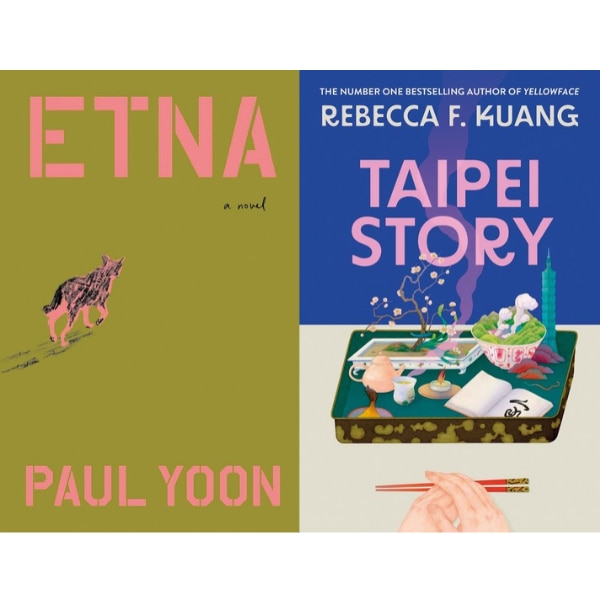
After the runaway success of Yellowface (2023) and Katabasis (2025), Rebecca F Kuang returns with a new, and widely anticipated, work of fiction that follows Yale student Lily who arrives in Taipei for a summer’s study at National Taiwan University. It is a summer that Lily hopes to spend working on her Chinese and reconnecting with her cultural roots. This foolproof plan gets completely upended when Lily’s grandfather suddenly dies, leaving her to rediscover a past so profoundly touched with grief and heartache that she finds herself at a point of no-return. What emerges is a sensitively written, patiently paced, and insightfully crafted inheritance of grief and the lessons learnt in attempting to reconcile our histories with our present day realities. If her thriller and magical realism outings were any early proof, then Taipei Story confirms Kuang’s importance as one of the most creatively diverse voices of contemporary young-adult fiction.
This article originally appeared in Harper's Bazaar India's August-September 2026 print issue.
All images: Amazon India
Also read: In a world that never logs off, disappearing feels revolutionary
Also read: The latest art, culture, design, and dining news to know
ADVERTISEMENT
Must Read









ADVERTISEMENT