




ADVERTISEMENT
India's young artists are having their moment. Here's what's driving it
From gallery walls to brand collabs to Instagram, India's emerging artists are building their own ecosystems. And the market is finally catching up.

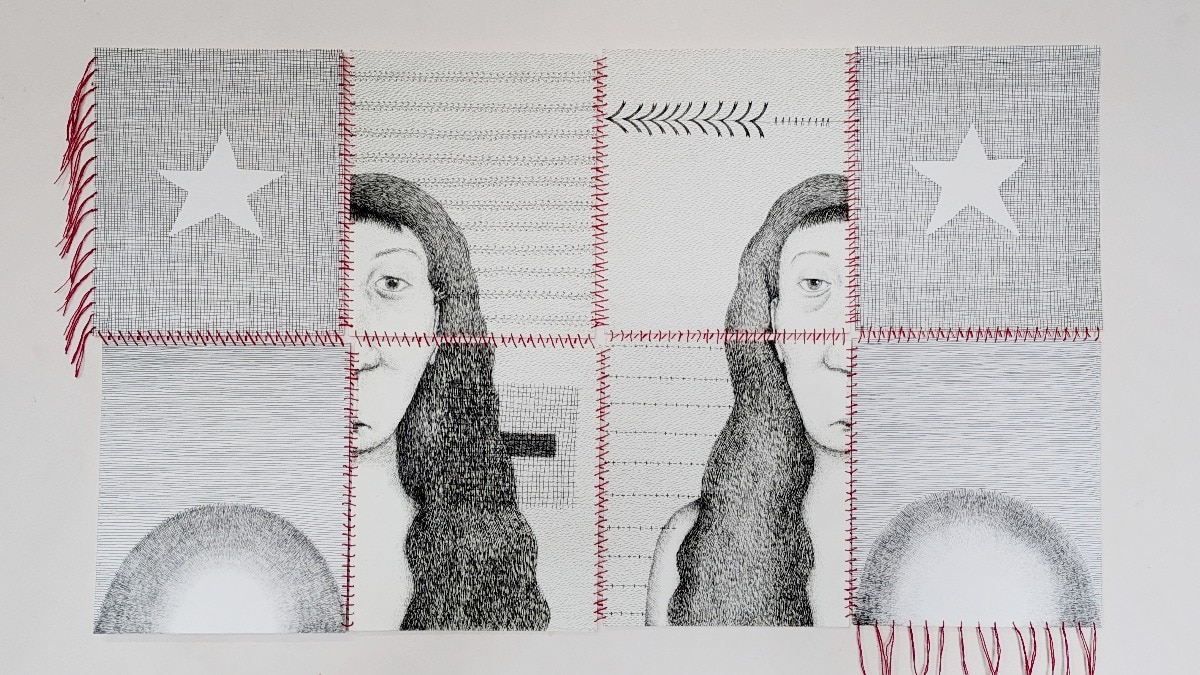
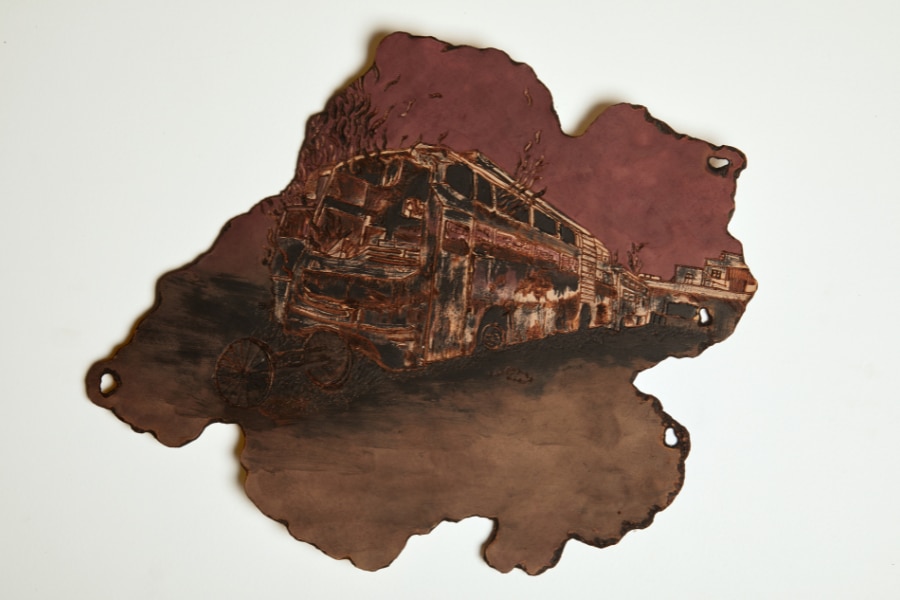
Vadehra Art Gallery in New Delhi is currently hosting an exhibition titled 'Next | Now', presenting a cohort of 30 emerging practitioners. The idea is to provide a platform for a curated selection of recent paintings, photographs, collages, drawings, sculptures, woodcuts, textiles, animation, and video works that reflect the explorations, experiments, and concerns of a rising generation of Indian contemporary artists. The statement from the gallery reveals that the works of artists such as Amitha Nayak, Geetanjali Bayan, Mohammed Intiyaz, Shailee Mehta, Rah Naqvi, Thamshangpha Maku, and Uma Sinha range from revisitations of personal memory and critiques of capitalism to reflections on embodied experience. The cohort appears to represent what young Indian artists are meditating on and would like to convey.
“What emerges so clearly in this exhibition is the extent to which medium and message are inseparable. These artists demonstrate how the choice of medium is not simply a vehicle for expression but a fundamental part of the work's meaning. This younger generation appears as invested in resolving its relationship to material as it is in engaging subject matter,” says Vadehra Art Gallery in an email response. This engagement with the material seems to be paying off for the artists as well. Indian art is increasingly becoming ‘a key component of any progressive wealth portfolio, offering value to both collectors and investors beyond its aesthetic and cultural appeal,’ according to the Indian Art Market Report for FY 2024-25 by Asign Data Sciences. As per Venetia Vickers, Chief Economist at Asign, amid ongoing economic and geopolitical uncertainty, Indian art has demonstrated resilience as an asset class, supported by cultural significance, stable price performance, and sustained market interest.
Where do emerging artists and their work fit within this resilient asset class?
Michelle Poonawalla, Director of Poonawalla Group, a collector and an artist herself, has observed and experienced the winds change for young artists in India. According to her, the ecosystem has shifted significantly from being dependent on access to a small network of galleries, institutions, and collectors to something more dynamic and interconnected.
“Young artists are engaging with global audiences much earlier in their careers. They are experimenting across disciplines, embracing new technologies, and approaching subjects such as identity, memory, ecology, urbanisation and culture with remarkable confidence. There is a sense of openness and ambition that feels incredibly exciting. What has perhaps changed most is that artists are no longer waiting for permission to be seen. They are creating their own platforms, communities and conversations,” she says. “As a collector, this has encouraged me to look beyond conventional pathways and remain open to discovering talent in unexpected places.”
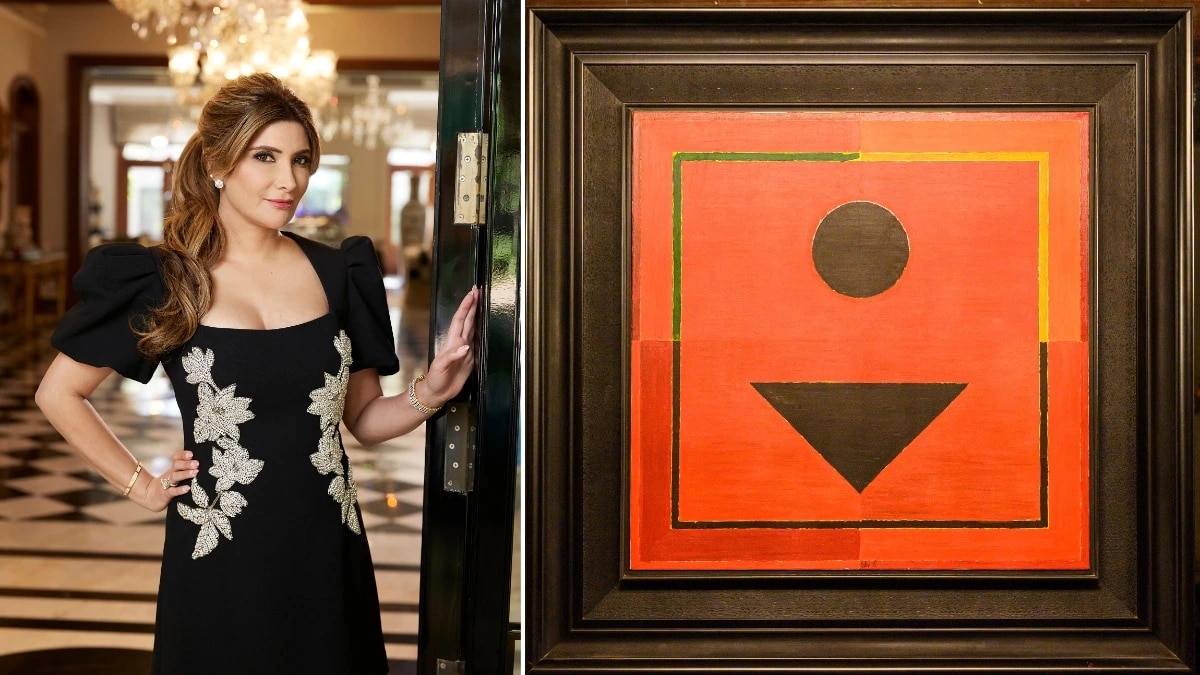
Poonawalla has been involved in the Indian and South Asian art ecosystem for a long time. Supporters like her, Kiran Nadar, or Sangita Jindal, founder of Hampi Art Labs, and the patron of the exhibition at Vadehra, have also inspired a new generation of collectors. In addition to that, the post-pandemic wealth has influenced buyers. These high-net-worth individuals (HNIs) are coming to the market with advisers and substantial budgets. They are curious about the art processes; they come informed and are very much aware of the kind of art they want to invest in, because it has now become a matter of taste and affluence.
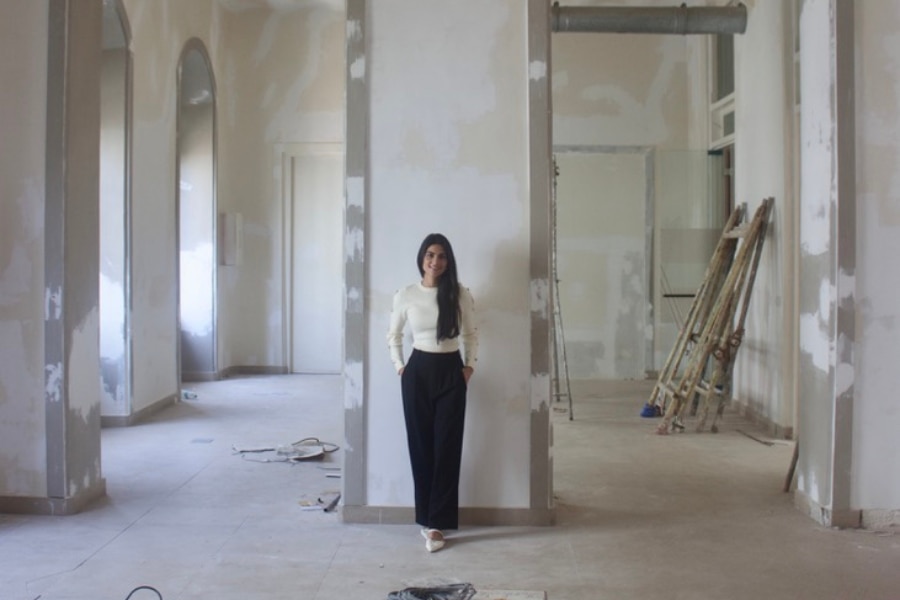
Sunaina Rajan, a young curator and founder of Gallery Maxima in Mumbai, has noticed the emergence of younger, first-time collectors. They are collecting for new homes, leaning towards contemporary art, which, in turn, encourages art advisors to play a crucial, more involved role in educating and assisting these new buyers. “I see a growing desire for education and being informed; new collectors are spending time learning before they buy. They are visiting exhibitions, following an artist’s trajectory, attending talks/events, and familiarising themselves with more and more artists,” says Rajan. “Internationally, South Asian Art is also gaining recognition, now recently with the India Pavilion at the Venice Biennale, and the presence of galleries and Indian artists in museum shows, public and large projects, and art fairs. As a result, South Asian contemporary art has become an essential part of broader global conversations.“
What does the traditional system bring to the table?
A few decades ago, this type of validation only came if what the artists created was sold at auctions. White-glove sales were rare. Galleries played a crucial part. They still do to a great extent. “We see it as our responsibility to support artists at every stage of their careers, and we intentionally create space within our annual programme to champion emerging voices alongside more established practices. Through such exhibitions, we hope to contribute to meaningful conversations while introducing audiences to artists and ideas they may not yet have encountered,” Vadehra responds.
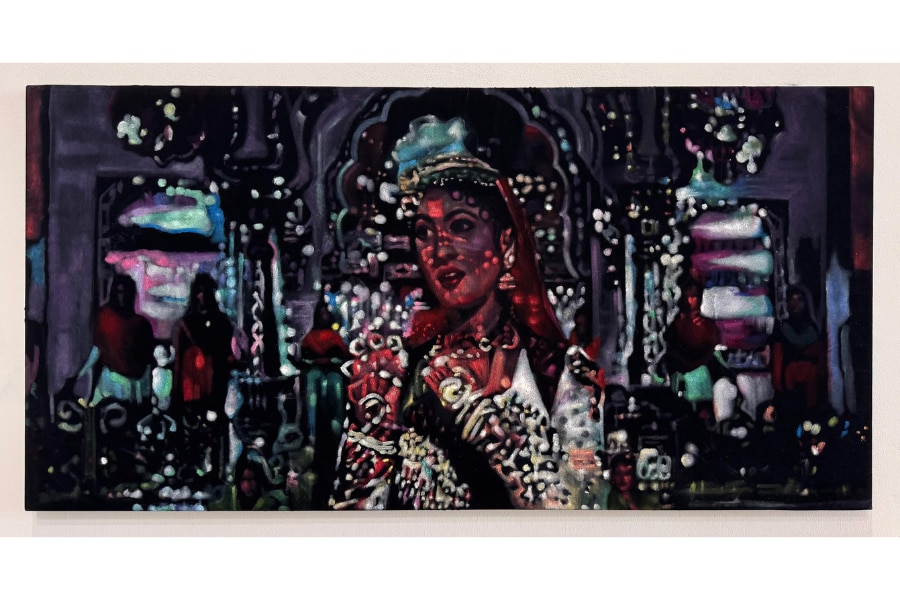
Gallery Maxima will open its doors on June 27. The debut solo exhibition of Mumbai-born artist Maithili Chaturvedi, titled ‘Dream Girl’, will kick off this venture for Rajan. Chaturvedi’s work, oil on velvet, explores the complex space occupied by Hindi cinema’s iconic female leads across the planes of fantasy, performance, desire, and cultural memory. As a gallery owner, Rajan believes that her role extends far beyond exhibition. “When you're working with artists at a formative stage of their careers, you're helping establish the foundation upon which the next decade of their practice will be built. Decisions made at this point, including how the work is contextualised, priced, documented, and circulated, will have long-term implications,” she says.
How does the commercial collaboration side look?
But in the age of social media, multi-platform exposure, and the most recent involvement with commercial brands, avenues of recognition have changed for emerging artists.
Jayesh Sachdev, a multi-hyphenate creator and founder of Quirck Box Design Studio, has experienced this transition firsthand. He is the first Indian artist to collaborate with the high-street fashion brand Zara on the much-talked-about Zara X Jayesh Art-Fashion-Sculpture partnership. Sachdev always believed that art doesn’t have to be confined to traditional spaces. If the idea remains intact, it can exist anywhere. For his work with the fashion brand, Sachdev brought his experience of running Quirk Box to the table. The idea was to let the art live across multiple touch points in people’s daily lives. An artwork collaboration then evolved into fashion, packaging, store environments, merchandising, digital content, and a monumental set of sculptures that were in stores across the country.
The success of partnerships like this hinges on brands giving the artist room to experiment and on the artist understanding the playground the brand is providing. “A great partnership is one built on freedom, allowing the artist the freedom to work within their style to adapt that into the brand ethos or language. The brand understands its audience, the artist understands culture and storytelling, and neither side tries to completely control the other. The strongest collaborations create something neither could have arrived at independently,” says Sachdev.
Poonawalla also echoes Sachdev’s thoughts. “We're seeing more collaborations that allow artists to engage with new audiences without compromising the integrity of their practice. When done thoughtfully, these partnerships can be incredibly powerful because they create cultural value alongside commercial value,” she says. “I think there is a growing understanding that meaningful and mutual support extends far beyond sponsorship or acquisition. The most thoughtful brands, galleries and collectors are recognising the importance of creating ecosystems rather than isolated opportunities. Artists need visibility, certainly, but they also need time, resources, dialogue and space to experiment.”
Collaborations with young artists are not a new concept if we look at the global landscape. Louis Vuitton consistently engages with young artists. British-Nigerian artist Slawn created a capsule collection called ‘Stolen Bag’ in 2024 for the French fashion powerhouse. American artist Alex Israel has been collaborating with the brand since 2019 for various campaigns, most recently designing the bottle for LV's Sun Song Eau de Parfum, part of their Cologne Perfumes collection inspired by California and Los Angeles.
But the Indian story is a bit different. More than a decade ago, Sameer Kulavoor, a Mumbai-based visual artist and founder of Bombay Duck Designs, collaborated with Paul Smith on t-shirt designs that paid homage to Mumbai's cycling culture. Sachdev himself has collaborated with the beverage brand Black & White on an exclusive merch capsule, unveiled at the Indian Sneaker Festival 2025. But these are far and few in between. An indication that commercial partnerships for young Indian artists remain in their nascent stage.
But are things taking a turn for the better? Sachdev believes so. “I think there's a growing understanding that artists aren't simply suppliers of content or objects. They are cultural thinkers. The artist is a brand in itself. Brands increasingly want authenticity. Galleries are becoming more open to interdisciplinary practices. Collectors are looking beyond traditional categories and are interested in artists who move between sculpture, technology, fashion, installation, and design.” He continues to emphasise that people recognise that artists have always worked with patrons, institutions, and businesses. But now they have more agency in defining those relationships. The conversation has become less about selling out and more about creating meaningful cultural impact at scale.
What does the future hold?
The Indian Art Market Report 2024-25 highlighted that contemporary art jumped 31.8 per cent, and sales by emerging artists nearly doubled, up 99.3 per cent, hinting at collector appetite for new voices. It was also noted that while the works of emerging artists accounted for nearly half of the volume of lots sold that year, the entry-level market still shrank by 19.6 per cent. Indicating that there’s interest, but people are still cautious.
But both Poonawalla and Sachdev carry an optimistic outlook. The existence of various platforms to exhibit and to create, the absence of set rules, an eager audience, a curious and willing collectors community, institutional patronage, and growing demand in the global art market have been good indicators.
“A young artist today can build an audience online, create public work, collaborate with brands, exhibit internationally, experiment with technology, and still maintain a strong personal practice. Those pathways simply didn't exist at the same scale when I started. What excites me most is that artists now have the opportunity to define their own ecosystem rather than waiting for permission to enter someone else's,” says Sachdev.
“Young artists have access to conversations, platforms, audiences and opportunities that previous generations could only have imagined. They can engage with global communities, experiment across media, and build meaningful visibility without necessarily following traditional pathways. At the same time, there is a growing appetite for authenticity,” says Poonawalla. “Audiences today are incredibly perceptive. They are drawn to work that feels honest, nuanced and deeply personal. If I were looking at the landscape from the perspective of a young artist, I would find that incredibly encouraging. There is more room than ever for individual voices, distinct perspectives, and unconventional practices.”
Lead image: Courtesy of Vadehra Art Gallery
Images: Courtesy of Michelle Poonawalla, Sunaina Rajan, and Gallery Maxima
Also read: A look inside the collections (and wishlists) of India’s most thoughtful art patrons
Also read: The secret to having the walls in your home tell a story? Start with the art
ADVERTISEMENT
Must Read



ADVERTISEMENT