




ADVERTISEMENT
Five literary voices to keep your silence company
From Rushdie’s meditation on mortality to Ernaux’s genre-defining collective memoir and Mumbai’s newest literary portrait, these books capture the intimate and urgent stories of our times.


Satyajit Ray’s 1984 Palme d’Or–nominated Ghare Baire (The Home and the World) opens with leading lady Bimala’s prophetic words: “I have passed through fire. All that was, now stands reduced to ashes. And what remains has no end.”
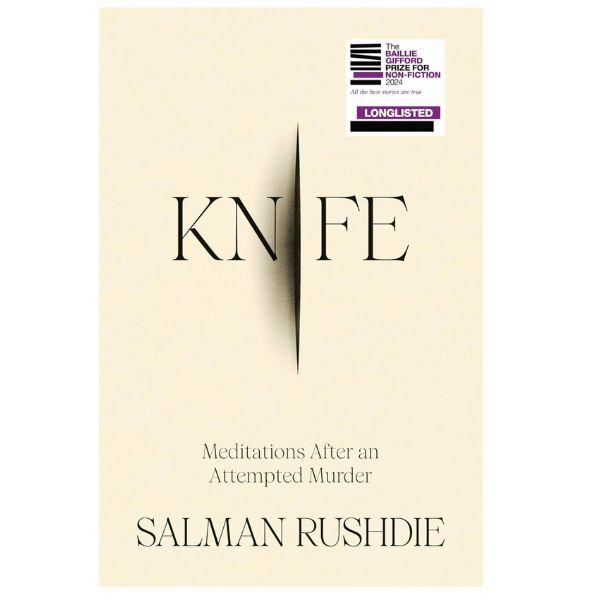
These lines echoed in my mind as I read Salman Rushdie’s ill-fated memoir, Knife: Meditations After an Attempted Murder (2024), written soon after his near-fatal onstage attack in upstate New York in 2022. The book unfolds as a haunting meditation on mortality, art’s redemptive power, and the artist’s place in a fractured world like ours. In his lucid yet layered prose, Rushdie turns the weapon of his assault—a terror-inducing knife he describes as alive—into a symbol of fear and creation alike. What emerges is not merely an account of survival but one of the most profound memoirs of our times: the self-portrait of an artist confronting his own legacy, rebuilding it with every breath, testifying to both his vulnerability and his unyielding will to endure.
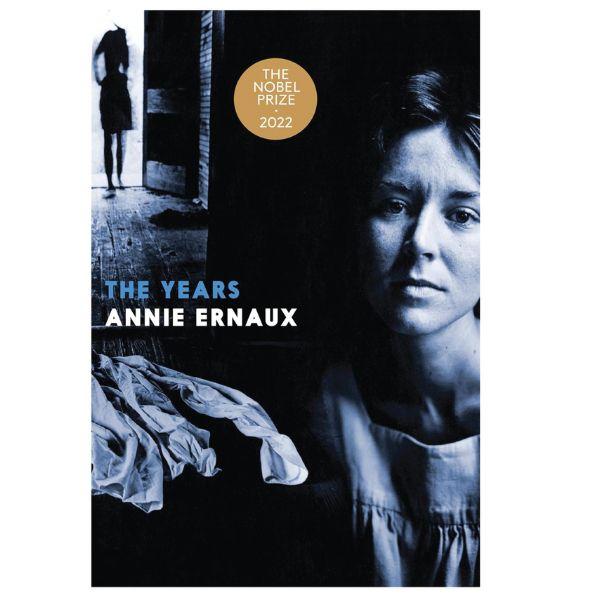
A Nobel Prize in Literature is enough to cement—and dispel any remaining doubts about—Annie Ernaux’s status in today’s global literary landscape as the singular pioneer of autofiction and its potent capacity to serve as a sociological documentation of the times we live in. Drawn from a series of diaries kept between 1941 and 2006, Ernaux’s genre-and-generation-defining book, The Years (2008), eschews the central ‘I’ of the memoir in favour of a collective ‘we’. By referring to herself in the third person, Ernaux constructs an evolving portrait of French womanhood that draws on personal memory and collective cultural archives such as books, songs, media headlines, and radio. This was the third book by Ernaux that I read, and it remains the one that has left the strongest impact. Her prose is spare yet lyrical, her recounting of history unflinchingly graphic in its cruelty, yet profoundly moving in its depth.
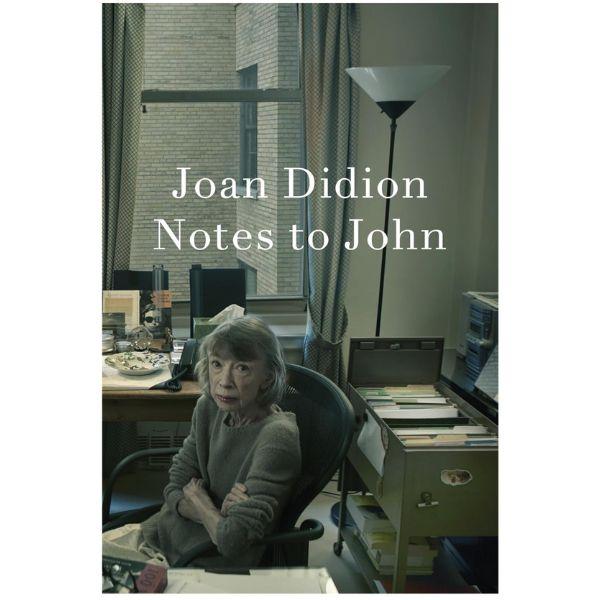
Myself, and many others I know and, have spent years and ages returning to Joan Didion’s My Year of Magical Thinking (2003) to process the many stages of grief we go through in this lifetime. Published years after her death, Notes to John (2025) is a series of diary entries and notes from Didion’s sessions with a psychiatrist that she started in November 1999 to make sense of the difficult years she and her family had been through. Addressed to her husband, John—her lifelong creative and domestic partner—the notes are a deeply vulnerable portrait of a life spent grappling with alcoholism, depression, guilt, anxiety, and a heart-wrenchingly complex mother-daughter relationship. For those who, like me, are more used to the astute, journalistic voice of Didion, this posthumous publication might come as a pleasant surprise. In these pages, the clinical detachment of her usual authorial voice becomes strangely undone. As the layers of calibrated wit and razor-sharp insights fall through, a deeply vulnerable portrait of womanhood emerges that gives a stirringly raw portrait of one of the most prominent voices of a generation gone by.
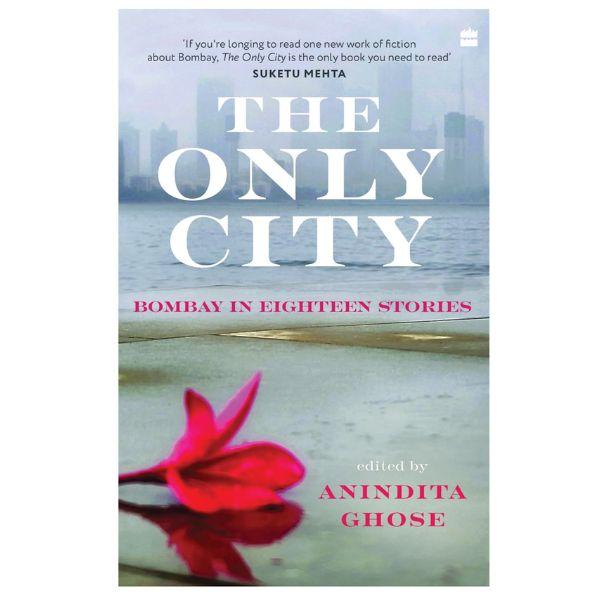
The first time I landed in Mumbai, the aural dissonance was striking. My boarding pass and every sign read Mumbai, yet everyone I met—on the streets and during the 30-minute drive to my Bandra hostel— called it Bombay. That duality embodied a metropolitan intimacy that stirs envy and a yearning to belong to this sprawling, multi-authored long-form essay of a city. Edited by acclaimed author and journalist Anindita Ghose, the anthology, titled The Only City: Bombay in Eighteen Stories (2025), collates voices from Amrita Mahale to Jeet Thayil, Manu Joseph to Raghu Karnad—each story a vivid snapshot of the loves, losses, joys, and triumphs that shape a city and its million untold lives. With evocative photographs by Chirodeep Chaudhuri, the book rejects nostalgia, instead capturing Bombay Mumbai in a “literary freeze-frame,” preserving its contradictions and vitality with a timeless resonance that mirrors the city’s restless, ever-evolving soul.
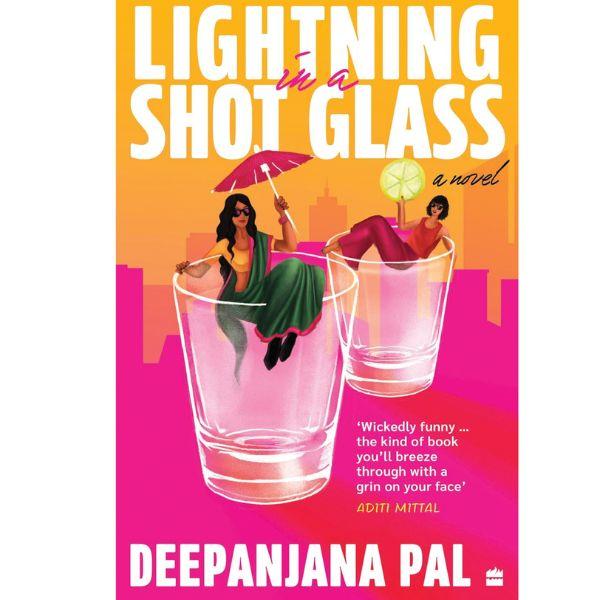
Acclaimed journalist and author Deepanjana Pal debuts her full-length feature novel—Lightning in a Shot Glass (2025) by chronicling the story of Meera and Aalo—two Mumbai flatmates on their own professional and romantic journeys. In her trademark wit-led prose, Pal talks about the joys of a shared sisterhood in an urban metropolis while also touching upon more poignant moments like the pains and yearnings of grappling with the generational gap with one’s parents, and the often disorienting and disheartening highs and lows of pursuing age-gap romances in the big city. What emerges, finally, is a stirring portrait of a generation seeking human connection and intimacy in a world of fleeting social media swipes and algorithmic trends.
All images: Courtesy Harper Collins India; Amazon India, Penguin Random House, and Fitzcarraldo Editions
This article was originally published in the November 2025 print edition of Harper's Bazaar India
Also read: The unmissable art and culture events everyone will be talking about
ADVERTISEMENT
Must Read







ADVERTISEMENT