




ADVERTISEMENT
Why 'NAD+' is beauty’s new buzzword
As beauty turns its attention to cellular health, NAD+ is emerging as the molecule everyone wants to know more about. Experts weigh in on the science, the promise, and what it really means for skin.


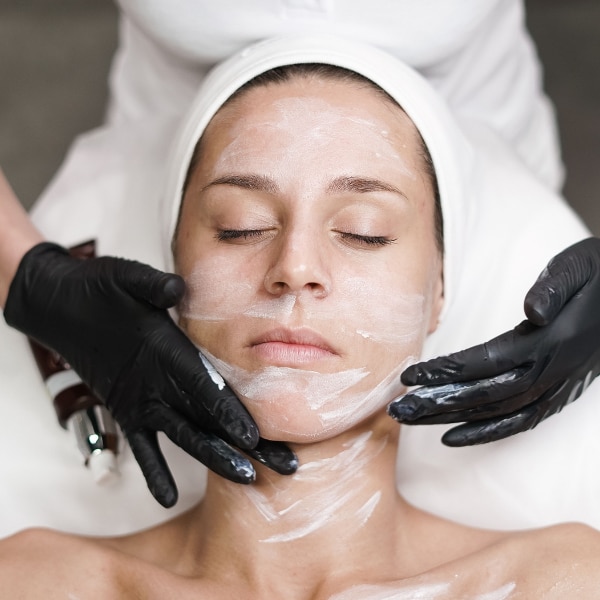
The beauty industry has moved beyond asking what sits on the surface of our skin. The latest obsession is what happens underneath it. NAD+, a molecule naturally present in our cells, has become the latest name to know, appearing in supplements, IV treatments, and increasingly, skincare and ingestible beauty.
Its appeal is rooted in a deceptively simple idea: if NAD+ levels change as we age, could supporting them help our cells function more efficiently and, in turn, help skin age differently?
NAD+, short for nicotinamide adenine dinucleotide, is a coenzyme involved in cellular energy production, DNA repair, and the way cells respond to stress. Its role in ageing has made it a subject of growing longevity research, and beauty has naturally taken notice.
“NAD+ is not a new beauty ingredient. It is a molecule already present inside our cells and is fundamental to how cells produce energy, respond to stress, and carry out certain forms of DNA repair,” explains Dr Nishita Ranka Bagmar, board-certified dermatologist and international trainer for global brands including Juvederm, Restylane, and Menarini. “There is a large difference between saying NAD+ is important to ageing biology and saying raising NAD+ has been proven to make humans look younger. The first statement is well supported. The second is not yet.”
The skin-ageing connection
There is a reason NAD+ has found such a natural home in the beauty conversation. Skin is constantly repairing and renewing itself while dealing with UV exposure, pollution, and oxidative stress. NAD+ participates in several cellular processes that help cells produce energy and respond to damage.
“With ageing, the levels of NAD+ decline. This impacts how skin ages,” says Dr Geetika Mittal Gupta, founder and aesthetician at ISAAC Luxe. Its role in cellular energy and repair has led researchers to investigate whether supporting NAD+ levels could influence skin resilience, barrier function, and the way skin responds to environmental stress.
Dr Batul Patel, dermatologist and founder of Bombay Skin Clinic, explains that changes in NAD+ availability may affect cellular energy production and DNA repair. “Skin cells are particularly active, constantly dividing and renewing. So when cellular energy and repair capacity dip, the visible consequences can include slower cell turnover, sluggish collagen remodelling, and a reduced ability to bounce back from daily stressors like UV exposure and pollution.”
But NAD+ is hardly the sole explanation for ageing skin. Sun exposure, genetics, hormones, lifestyle, and the natural decline of collagen and elastin all play significant roles.
So, can it actually make skin look younger?
This is where the science becomes more nuanced. NAD+ is involved in pathways associated with cellular ageing, including energy metabolism, DNA repair, and cellular stress responses. That makes it an intriguing area of research for skin health, photoageing, and cellular resilience.
But a promising biological mechanism is not the same as a proven cosmetic result. “Potentially, several of them, but the word ‘potentially’ is important,” says Dr Ranka Bagmar. “We should distinguish mechanistic evidence from clinical evidence. Showing that a pathway affects fibroblasts in a laboratory does not automatically mean an NAD+ cream will reduce wrinkles on someone’s face.”
Dr Patel similarly describes the science as promising but still evolving. “When I discuss its potential role in fine lines, pigmentation, or elasticity, I am describing a plausible biological mechanism rather than a proven clinical outcome,” she says.
That distinction is crucial. NAD+ may be important to how cells function without that automatically meaning that increasing NAD+ will reverse visible ageing.
Dr Vivek Vikram, founder and CEO of Fortivo, USA, frames the appeal as a shift toward treating the root cause of ageing rather than just masking it. “There's more penetration at the cellular level when you heal from within, neutralising free radicals before they trigger collagen-degrading enzymes,” he explains. “It's about providing an antioxidant shield against the core drivers of visible skin ageing.” His argument reflects a broader evolution in wellness, looking at skin through the lens of cellular and metabolic health rather than treating it purely as a surface concern.
It isn't your new retinol
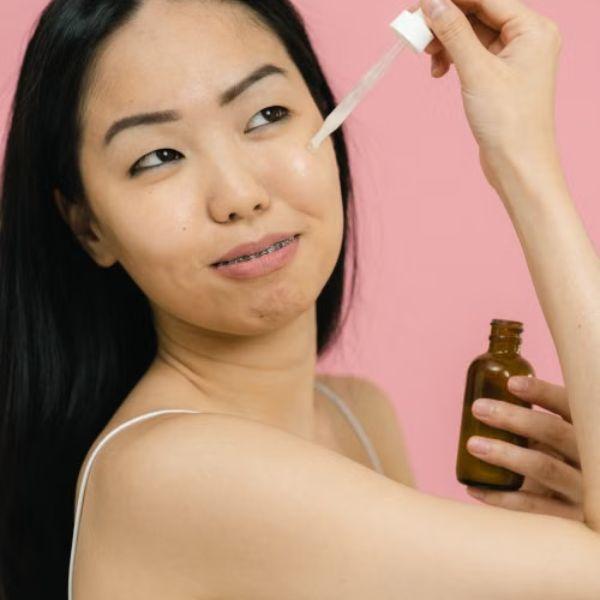
For anyone wondering whether NAD+ is about to replace the familiar anti-ageing staples, the answer is no. “Retinoids have decades of clinical evidence demonstrating effects on photoageing and collagen remodelling. Vitamin C has meaningful evidence as an antioxidant and in pigmentation management,” says Dr Ranka Bagmar.
Niacinamide, another familiar skincare ingredient, is also part of the vitamin B3 family and is connected to pathways involved in NAD+ production. But the molecules should not be treated as interchangeable.
Dr Patel sees NAD+ as potentially complementary rather than revolutionary. “I would not describe NAD+ as a replacement for retinoids or vitamin C, since those have decades of clinical evidence behind them,” she says. “I see it more as a potentially complementary addition.”
For now, sunscreen, retinoids where appropriate, and established antioxidants remain considerably better supported than the latest NAD+ promise.
From IV drips to a strip
The NAD+ conversation is also changing with the arrival of new ways to deliver it. Oral-dispersible strips are now offering an alternative to the more cumbersome IV route, with the format set to launch in India soon.
Dr Vikram sees this as a shift in accessibility. “Up until now, the mode of delivery has been either IV, injections, or pills. What we have done is, we have loaded everything on oral dispersible strips.”
The strip is designed to dissolve quickly in the mouth, avoiding the usual digestive route. Dr Vikram says it dissolves in under 15 seconds and offers approximately 88 to 90 per cent bioavailability.
As the beauty industry moves deeper into cellular health, NAD+ is becoming part of a larger conversation that's about looking at skin from within, not simply treating what appears on the surface.
Image credits: Pexels
Also read: Soothing gel masks that give your skin a plump, hydrated glow
Also read: The rich body butters to reach for when your skin needs extra nourishment
ADVERTISEMENT
Must Read









ADVERTISEMENT