What is ‘anti-blush’? The sophisticated trend defining today’s beauty looks
Our obsession with blush just got a refresh.

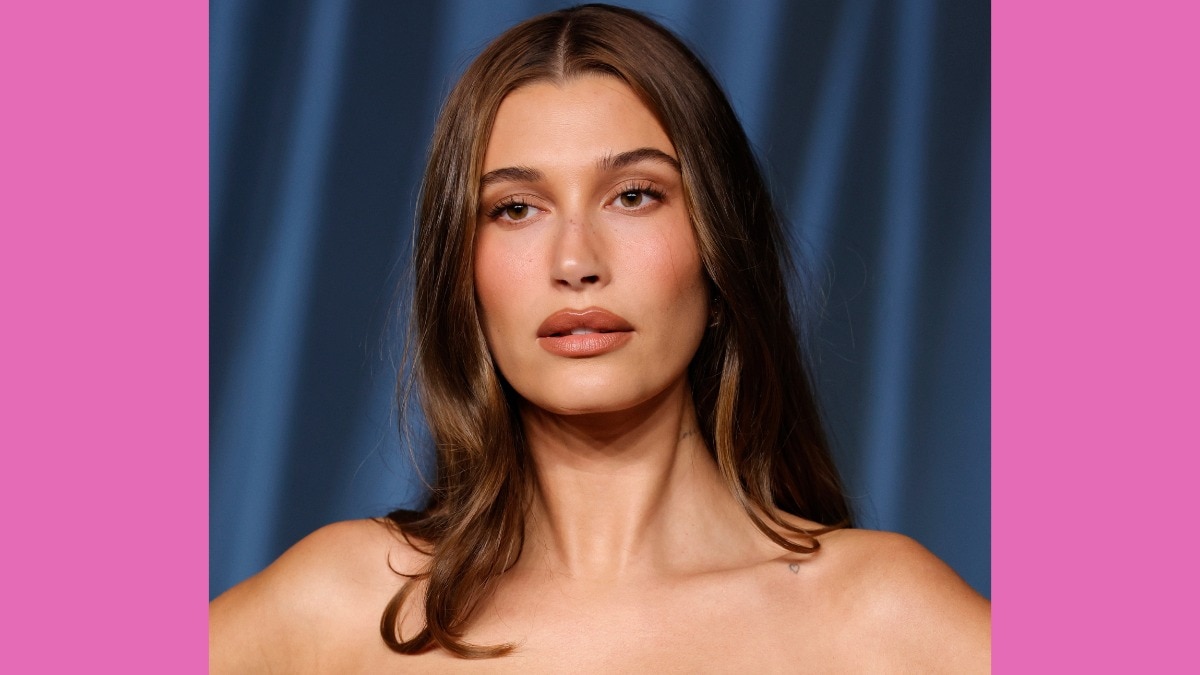
There’s no doubt that blush has been dominating makeup looks for over a decade now. Think purple blush, blonzing, blush blindness, blush contouring, boyfriend blush. The trends in this sphere of base makeup just keep coming. But that’s also why the term ‘anti-blush’ feels like a shift in perspective. Are we moving away from blush, or have we simply figured out a way to decentre it from the makeup conversation? The actual definition of this new trend, however, makes complete sense.
What is the anti-blush trend?
Anti-blush refers to makeup looks that treat blush as a supporting character rather than the main character of a makeup look. It isn’t about skipping blush altogether. Instead, it is about choosing muted, neutral, and more subdued shades that melt into the skin rather than announcing themselves the second they hit your cheeks.
Think of it as the opposite of the intensely pigmented, deliberately obvious cheek looks we’ve become so used to seeing everywhere. The aim is a soft whisper of colour that adds warmth, shape, and dimension without making your cheeks the focal point of your makeup.
Anti-blush shades tend to blur the line between blush and contour and even bronzer, creating a more natural-looking shadow across the cheeks. They blend easily, look more skin-like and don’t require a full workout with your makeup brush when it comes to blending.
With trends like eyemaxxing and bold lip combos also taking over beauty conversations, the need for something like anti-blush makes sense. When your eyes or lips are doing the talking, your cheeks don’t necessarily need to compete for attention.
But it isn’t just about balancing out a dramatic makeup look.
It’s justice for your undertone
Ever since the beauty industry began paying closer attention to undertones, more beauty enthusiasts of colour have been discovering something that should have been obvious all along: darker complexions can be cool-toned too, even neutral and olive for that matter. Not every South Asian person has warm undertones. Neutral and cool undertones exist in brown skin as well, and once you figure yours out, you also realise that the standard blush shades recommended for brown skin aren’t necessarily the ones that work best for you.
For years, bold blush shades like red, coral, and warm pink blushes have dominated conversations around makeup for deeper skin tones. Anti-blush opens up the palette with neutral, cool-toned, and more subdued warm shades that can sit much more naturally against the skin. Neutral blush shades can be universally flattering, as no matter your undertone, they complement rather than overpower.
Traditional blush vs anti-blush
If traditional blush is about making your cheeks impossible to miss, anti-blush takes the opposite approach. Bright pinks, corals, and reds can create a deliberately flushed effect, while anti-blush leans towards shades that mimic the natural shadows, soft flush, and subtle warmth of your face. Think muted mauves, soft browns, taupes, nude pinks, dusty rose, plums, and deeper chocolate tones, depending on your skin tone and undertone.
The result is makeup that understands the subtlety of balance. The idea of anti-blush is to mimic the most natural whisper of colour. It shouldn’t overpower your eye makeup or your lipstick. It shouldn’t take ages to blend. And it definitely shouldn’t make you look like a tomato.
How to find your anti-blush shade
There’s no one universal anti-blush shade, and your skin tone and undertone both matter here. The key is to look for colours that feel slightly more muted than your usual blush and sit naturally against your complexion.
For fair skin, try soft nude pinks, muted beige-pinks, and delicate lavender blush shades. Look for blushes that add subtle definition without appearing too stark.
For medium skin, toasty hazelnuts, muted mauves, rosy browns, and soft terracotta tones can create that diffused, natural-looking flush.
On deeper skin tones, rich plums, chocolate browns, deep mauves, and muted berry tones can add warmth and dimension without looking overly bright or ashy.
A great hack to get a muted blush shade that complements your skin tone no matter your undertone is to simply mix in some of your concealer. Just add cream blush to the back of your hand, blend in a dot of concealer with your makeup brush, and dab it onto your cheeks. If the result is still too bold, use your foundation brush that still has some leftover product on it and go over your cheeks.
How to wear anti-blush
As far as placement goes, apply anti-blush shades wherever you like, whatever best suits your face shape. Just make sure to keep the blush concentrated in the centre and then diffused at the edges for a cheeky look. You can also use an anti-blush shade where your blush, bronzer, and soft contour would naturally meet. Just like Zendaya in that angelic look at The Odyssey press tour. This creates subtle definition without the obvious contrast of traditional contouring.
The rest of your makeup can be as minimal or as dramatic as you like. Pair it with softly smoked eyes for a tonal look, use it to balance a statement lip, or simply wear it solely alongside a glossy lip; it always works.
Anti-blush is one of those trends that everyone can appreciate, and everyone can achieve. Isn’t that chic?
Lead image: Getty Images
Also read: An expert guide to your softest feet ever
Also read: Bixie cuts for mature hair: How to make the elegant style work for you