




ADVERTISEMENT
The singular appeal of natural diamonds
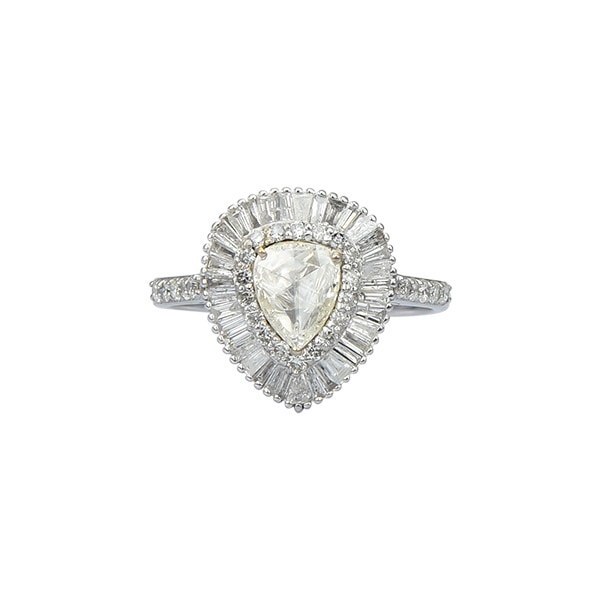
Through the perspectives of a jewellery designer and a stylist, an exploration of what continues to make natural diamonds feel singular, even in a world where so much begins to look alike.

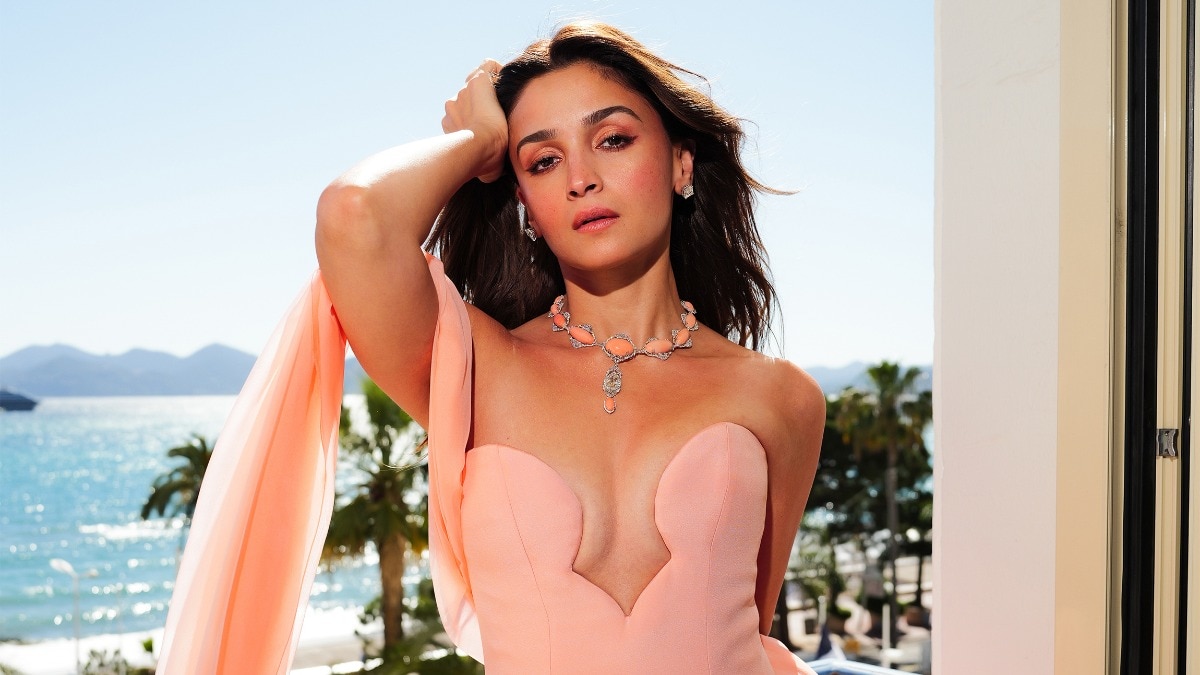
There is a particular kind of sameness that defines fashion and beauty today. Scroll long enough and everything begins to blur into the same visual language—similar silhouettes, familiar references, and faces shaped by the same aesthetics and algorithms. In a culture of constant visibility, the things that feel truly individual resonate more deeply than ever.
Perhaps that is why distinction has become one of the most compelling expressions of modern luxury. Natural diamonds, in particular, occupy a unique place within that conversation. Their enduring appeal lies in the fact that no two are ever exactly alike. Each carries its own light, character, and presence, giving it a singular appeal that continues to captivate designers, stylists, and wearers alike. More than objects of adornment, they often become markers of memory and personal expression—qualities that feel increasingly significant today.
For designer Tarang Arora and stylist Tanya Ghavri, the creative starting point is often the same—recognising something worth building around. Whether inspiring the direction of a jewellery design or helping define the identity of a look, certain diamonds continue to resonate long after the trend cycle has moved on.
When the Stone Leads: The Designer's Perspective
Some diamonds carry a presence that immediately shifts the direction of a design. Not necessarily through scale or spectacle, but through something far more instinctive—the way they hold light, the softness of their brilliance, or a certain emotional quality that feels impossible to ignore. For Tarang Arora, CEO and Creative Director at Amrapali Jewels, those are often the gems that dictate the creative process. “Every diamond carries its own personality, and as a designer, I believe the stone should always lead the conversation,” he says. “Some diamonds have a quiet elegance, while others have a very commanding energy, and the design has to respect that individuality.”
For Tarang, the creative process begins not with a sketch, but with the natural diamond itself. Rather than imposing an aesthetic onto a stone, he prefers to first understand its character—its presence, proportions, and individuality. “Often, the most beautiful designs emerge when you allow the diamond to dictate the rhythm of the piece rather than designing around formulas,” he explains.
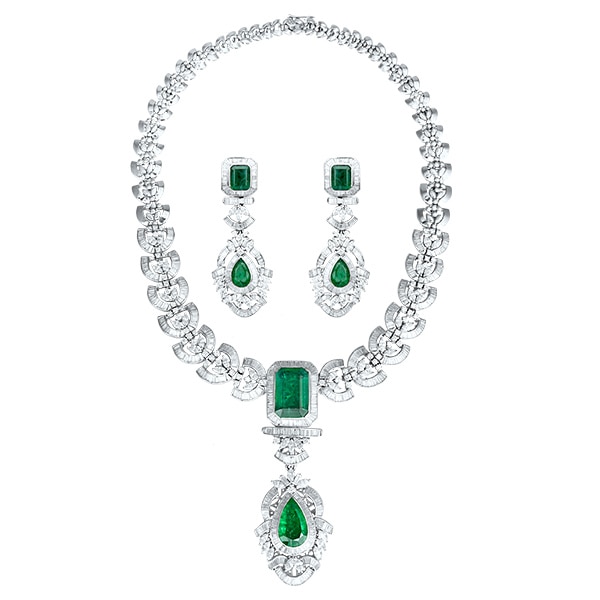
One of the clearest expressions of this philosophy emerged through The Golconda Rosé necklace, created around an exceptionally rare 5.53-carat Golconda Type IIa diamond. What made the diamond so special, according to Tarang, was not just its rarity, but its personality. “It had an incredible purity and a very soft, almost ethereal brilliance,” he recalls. “Something far more subtle and emotional than an overt sparkle.” There was a certain quiet elegance and transparency to the diamond, he says, that immediately felt timeless.
That sense of softness and quiet elegance ultimately shaped the entire piece. From the necklace’s fluid, handcrafted structure to the delicate setting and 168.27 carats of pink coral surrounding the centre stone, every element was designed to complement the softness and personality of the diamond rather than overpower it. The final piece became a meeting point between Jaipur craftsmanship, Indian heritage, and contemporary high jewellery design—all shaped around the quiet beauty of a single gem.
For Tarang, the appeal of a singular diamond extends beyond the design process itself. It also reflects a broader shift in how luxury is being valued today. According to him, clients are increasingly moving beyond trend-led purchases and gravitating towards pieces that feel emotional and connected to their own stories. “People are no longer satisfied with owning something that simply looks beautiful,” he says. “They want it to feel personal to their story.”
“The most timeless pieces,” Tarang says, “are often the ones people wear repeatedly because they feel emotionally connected to them—almost like a second skin rather than an accessory.”
When Jewellery Defines the Look: The Stylist's Perspective
If jewellery shapes the emotional language of a look, styling is often about knowing when to let it take centre stage. For stylist Tanya Ghavri, natural diamonds have long occupied that space. “Since the time I started my career, I’ve always been an admirer of natural diamonds,” she says. Drawing from old Hollywood glamour and iconic jewellery houses such as Bvlgari and Tiffany & Co., Ghavri has long associated natural diamonds with some of fashion's most enduring jewellery moments. “The most exquisite jewels have always been natural diamonds.”
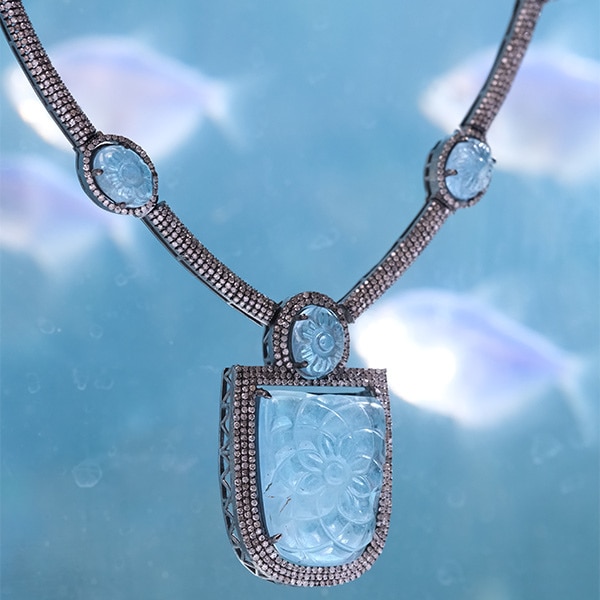
That distinction becomes especially important when the goal is to create a lasting fashion moment rather than simply respond to a trend. While Tanya may use laboratory-grown diamonds for shoots where needed, red carpets and landmark appearances remain a different conversation entirely. “For important events, it’s natural diamonds only,” she says. “Not an option at all.”
For her, personal style is ultimately about staying true to what feels authentic rather than following what everyone else is doing. “Everyone is following what they’re seeing,” she says. “Staying true to individual style and doing something that feels unique to you is what keeps you authentic.”
That philosophy came through in Tara Sutaria's Cannes Film Festival appearance earlier this year, where Ghavri styled the actor in Messika High Jewellery. Centred around the Maison's Turaco necklace with 53-carat diamonds and rare green Sannan Skarn stones, the look felt, in Ghavri's words, “very Elizabeth Taylor-coded—dramatic, cinematic, and impossible to ignore.” Yet the impact of the necklace went beyond aesthetics alone. It amplified the old-world elegance and femininity that have become so closely associated with Sutaria's personal style, making the jewellery feel less like an accessory and more like an extension of the woman wearing it.
In that sense, the necklace was not simply part of the look—it became central to its identity. “Jewellery can make or break a look,” Ghavri explains. “It can elevate it many notches higher, add personality, panache, sophistication... it really binds the look together.”
That emotional precision, she believes, is what separates truly personal style from trend-driven dressing. The most unforgettable fashion moments are rarely the loudest. More often, they are the ones where everything, the clothes, the jewels, and the personality of the wearer, comes together so instinctively that the look feels impossible to imagine on anyone else.
The Luxury of Individuality
There is no denying that fashion has always moved forward by reinventing itself. Trends will shift, aesthetics will evolve, and the language of luxury will continue to change. Yet what stays with us is rarely what is most fashionable at the moment. As both Tarang Arora and Tanya Ghavri suggest, the things that endure are often the ones that carry enough character to move beyond a season and feel deeply personal.
Perhaps that is what continues to make natural diamonds so relevant. In a world of endless choice, their appeal lies not only in rarity but in their ability to acquire meaning over time. Defined by individuality rather than convention, they resist becoming interchangeable. And in an era shaped by constant reinvention, there is something powerful about what continues to endure.
Lead image: Amrapali Jewels
Also read: The 'Tiffany blue' accessories we're obsessed with right now
Also read: Oversized floral jewellery is blooming this season


ADVERTISEMENT