




ADVERTISEMENT
How global beauty became India's biggest beauty trend at Amazon Beautyverse 2026
K-beauty, J-beauty, French pharmacy finds, and Middle Eastern scents—India's beauty mood board has never been more global.

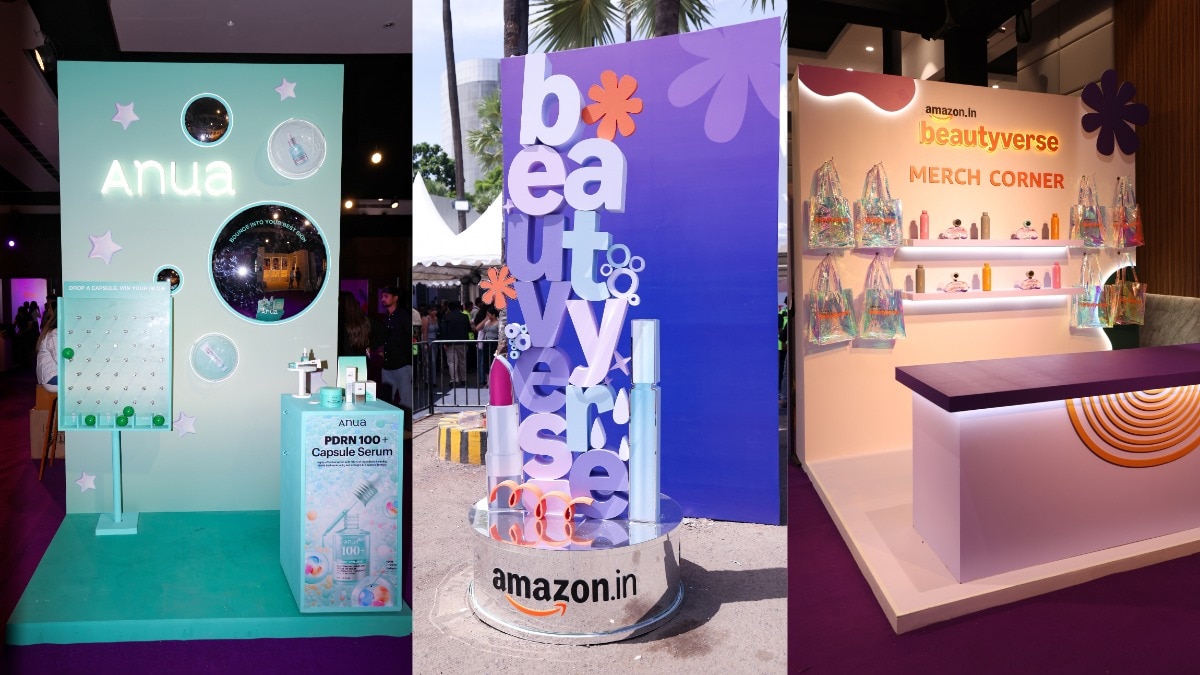
Not long ago, discovering a cult Korean serum or a coveted French pharmacy moisturiser required a suitcase and a boarding pass. Today, a beauty routine can span continents without ever leaving home. A Japanese sunscreen sits alongside a Korean essence, a French moisturiser, and a rich Middle Eastern fragrance, reflecting a new era of beauty consumption that is increasingly global, informed, and personalised.
This shift was impossible to ignore at Amazon Beautyverse 2026, which brought together over 2,500 attendees, 1,500 creators, and more than 70 participating brands. Amid conversations around ingredients, innovation, and the future of beauty, one theme stood out: consumers are looking beyond traditional beauty capitals and embracing products, rituals, and philosophies from around the world. Evidently, today's beauty shoppers are becoming more mindful about ingredient lists while keeping an eye on global trends, creating routines that draw inspiration from multiple cultures at once.
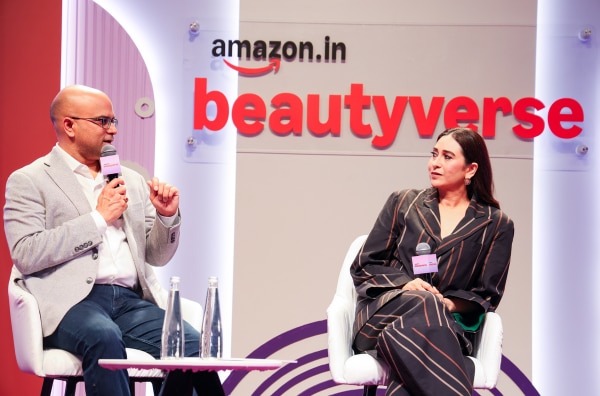
According to Siddharth Bhagat, director of beauty at Amazon India, today's beauty consumer is more informed than ever before. “Beauty customers in India today are more curious, more informed and more confident than ever before. They're not just buying products; they're taking the time to understand ingredients, learn what works for them and make choices that fit their individual needs,” he says.
Beauty without borders
For years, international beauty discoveries were largely reserved for frequent travellers. But today, beauty inspiration arrives instantly. A sunscreen recommendation from Tokyo can go viral in Mumbai overnight, while a fragrance layering technique popular in Dubai can quickly become part of someone's daily routine.
The impact extends far beyond metropolitan centres. “Today, someone in Kozhikode, Madurai, or Guwahati has access to the same brands, the same information and the same creator content as someone in Mumbai or Bengaluru,” says Bhagat. “In fact, a large part of our premium beauty demand now comes from smaller cities and towns across India.”
The result is a beauty landscape where consumers are drawing inspiration from multiple cultures at once, building routines based on personal preference rather than geography.
How Korean and Japanese beauty changed the skincare conversation
If there is one category that paved the way for global beauty in India, it is K-beauty. What began with sheet masks and 10-step skincare routines in pursuit of glass skin has evolved into a deeper appreciation for Korean skincare's focus on skin health, hydration, and innovation.
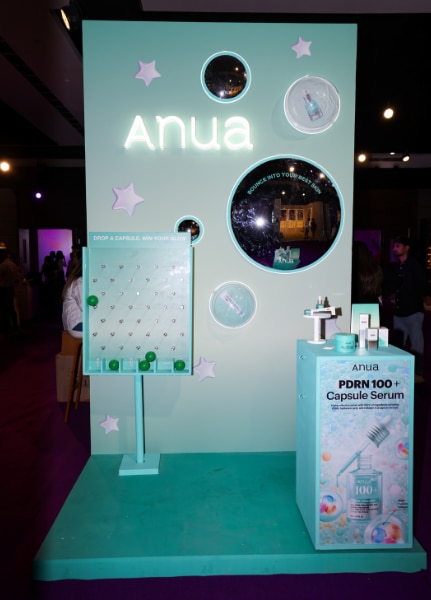
As consumers become more knowledgeable, they're increasingly looking beyond brands and focusing on formulations that suit their individual concerns.
Now, while K-beauty dominates most beauty conversations, Japanese beauty has quietly built a loyal following through its emphasis on simplicity, efficacy, and elegant formulations. Japanese sunscreens, in particular, have become favourites among consumers seeking lightweight textures and everyday wearability.
At the same time, French pharmacy skincare continues to enjoy enduring appeal. Dermatologist-approved moisturisers, gentle cleansers, and barrier-repair creams have become staples as consumers prioritise skin health over quick fixes.

Together, these categories reflect a growing preference for products that deliver consistent results rather than chasing every passing trend.
The Middle Eastern fragrance influence
Fragrance, meanwhile, is becoming increasingly global. Rich oud blends, amber-heavy compositions, gourmand notes, and layering techniques inspired by Middle Eastern perfumery are finding a growing audience in India.
Consumers are also becoming more adventurous with scent, moving beyond the idea of a single signature fragrance and instead curating collections for different moods, occasions, and seasons. The shift reflects a broader desire for individuality and self-expression.
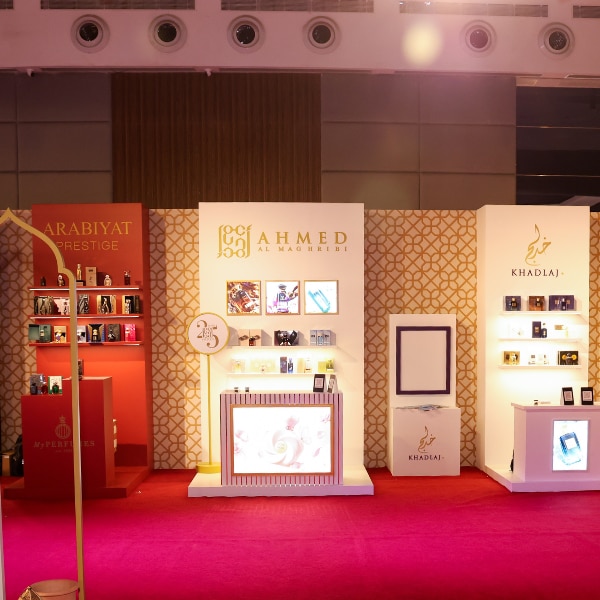
Perhaps the most interesting outcome of this cultural exchange is that consumers are no longer subscribing to one beauty philosophy alone. A single routine might combine Korean skincare innovation, Japanese sun protection, French pharmacy expertise, and Middle Eastern fragrance traditions.
“Whether it's someone discovering K-beauty for the first time, building their first skincare routine, or finding a brand they've always wanted to try, our job is to make that journey simple and accessible,” says Bhagat.
As global beauty becomes increasingly accessible, the future of beauty in India is unlikely to be defined by a single trend, country, or category. Instead, it will be shaped by consumers who are looking everywhere at once, curating routines that are uniquely their own.
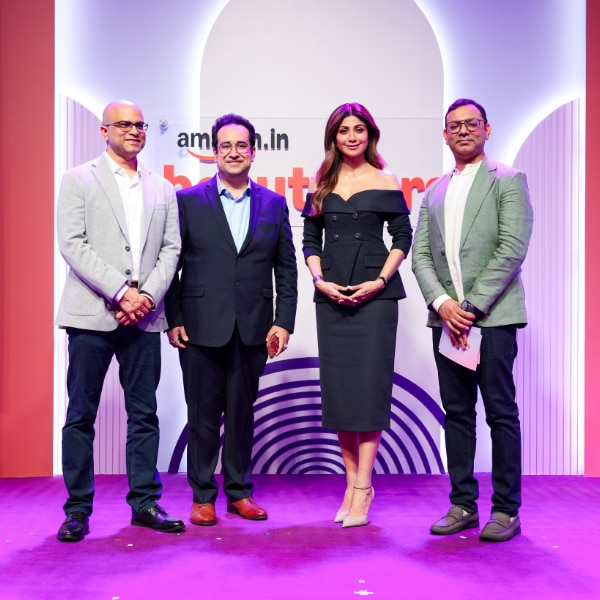
Or, as Bhagat puts it: “The next chapter of beauty isn't about one trend, one look, or one definition of beauty. It's about individuality.”
Also read: Amazon Beautyverse 2026: Ananya Panday and Siddharth Bhagat on what beauty’s next chapter looks like
ADVERTISEMENT
Must Read





ADVERTISEMENT