Could your fitness regime be lacking iron?
Iron is vital for health and performance, but fitness aficionados can easily be deficient in it. Here’s all you need to know.

It's no secret that iron is vital for overall fitness, but it is often neglected in the larger bucket of deficiencies. And fitness experts, especially runners, can be especially susceptible to the mineral deficiency. Which is why we decided to take a deep dive into it.
Why is iron important?
Iron is an important mineral that helps maintain healthy blood. It's a major component of haemoglobin, a type of protein in red blood cells that carries oxygen from your lungs around your body. Iron is also critical for runners as it's a part of myoglobin, a protein that carries and stores oxygen specifically in muscle tissue. It's also involved in the production of various cells and hormones.
Without sufficient iron, there aren't enough red blood cells to transport oxygen, leading to fatigue. Iron is stored in the body in the form of ferritin in the liver, spleen, muscle tissue, and bone marrow, and is delivered through the body by a protein in the blood that binds to iron, called transferrin.
If we suspect someone is low in iron, haemoglobin, ferritin, and transferrin saturation are three of the blood tests commonly used to investigate.
How much do I need each day?
In general, you need iron the most during fast growth phases, such as infancy, early childhood and adolescence. However, women who are menstruating or pregnant may have higher requirements. Some runners and gymers also have higher needs because of an increased loss of iron through a scenario known as foot-strike haemolysis. This occurs due to a breakdown of red blood cells in the small capillaries in the soles of the feet from repetitive foot striking. In order to prevent low levels of iron, it's recommended in the UK that adult men require 8.7mg of iron a day, while women need 14.8mg
How can I spot a deficiency?
Iron-deficiency anaemia results in reduced haemoglobin in the red blood cells. The classic signs of a deficiency include lethargy, fatigue, shortness of breath, negative mood, and difficulty concentrating. However, runners may notice additional symptoms that mimic over-training—such as reduced work capacity, poor adaptation to training and, ultimately, poor performance.

What are the best sources?
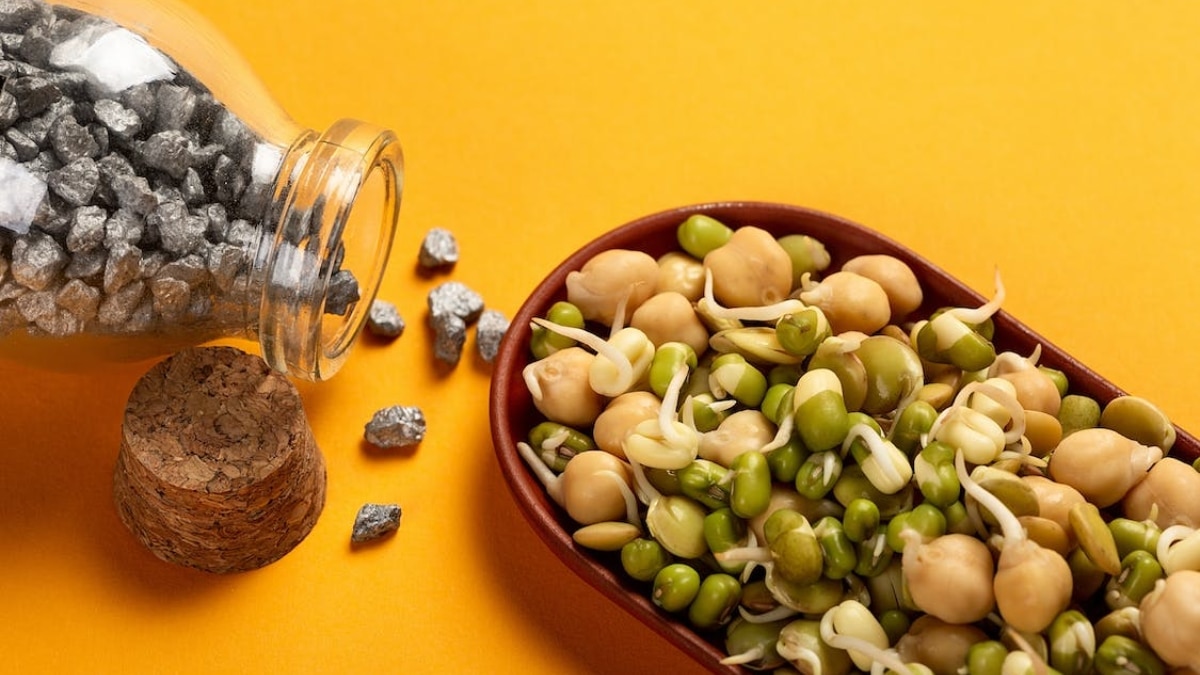
The main dietary source of iron is red meat, but many runners have reduced their consumption of this for other health reasons. Egg yolk is also a good source, but absorption can sometimes be reduced due to the protein in egg. Plant-based sources of iron include pulses and legumes, dark green leafy vegetables, nuts and seeds and foods fortified with iron, such as cereal and bread. In general, iron from plant-based options is much more difficult to absorb. Additionally, foods containing phytates (whole grains, cereal) impair your absorption of iron. So try to consume these options with vitamin C or an animal protein. For example, combine a cereal such as bran flakes with cow's milk for animal protein, or a source of vitamin C, such as a glass of orange juice.
Should fitness aficianados supplement?
It depends—in general, if you have both good haemoglobin levels and ferritin stores, there is no additional benefit to you supplementing with iron. In fact, taking too much iron can cause a deficiency in other nutrients. When looking at blood tests, ideally you'd want levels of haemoglobin to be above 14g/dL, ferritin to be above 40meg/L and transferrin saturation to be higher than 20%. Levels below this, although not strictly iron deficiency, may result in suboptimal performance in runners. It's important to highlight that these figures are above those for the general population, so if you suspect you might be low in iron, it's important to let your GP know that you're runner and so your acceptable base levels are going to be higher.
This article first appeared in Runner's World UK in April 2023.