The biggest F&B trend right now? A bar that comes equipped with full-fledged kitchens
Cocktail bars are evolving into dining destinations, with ambitious food menus, pour-only cocktails and a renewed focus on seated, unhurried drinking experiences.

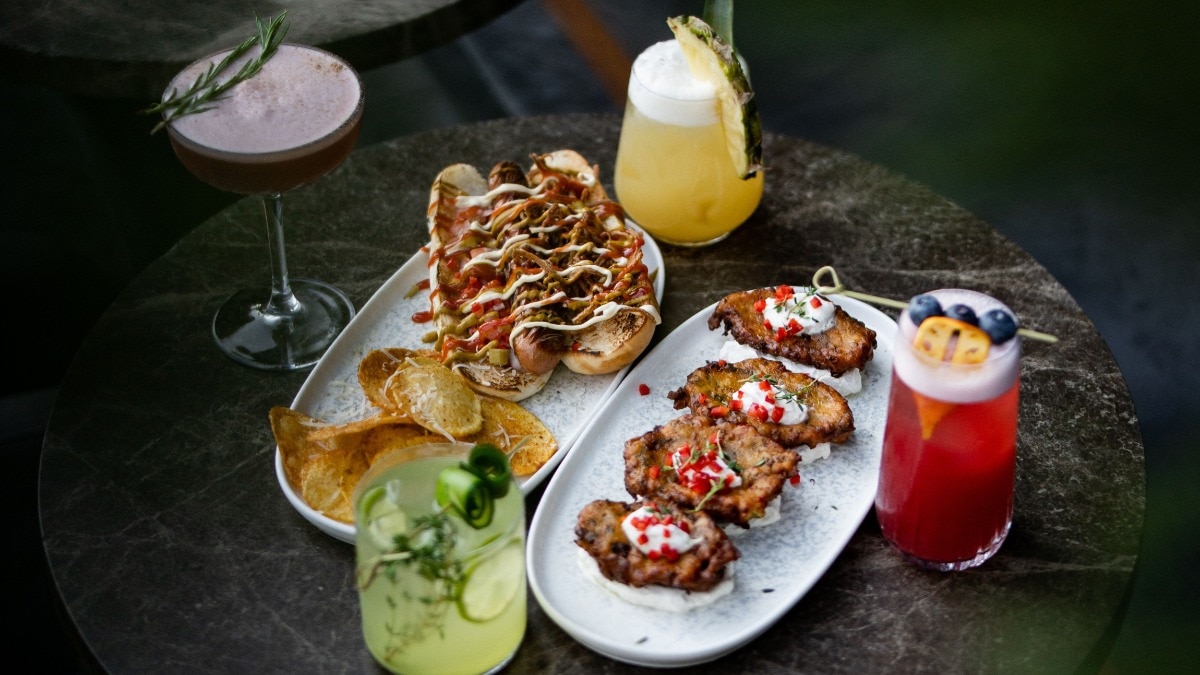
For years, the conventional bar formula was simple: make the drinks memorable, keep the snacks coming and let the kitchen play second fiddle. That formula is beginning to change. As drinking-out habits evolve, bars are investing in proper kitchens, more ambitious menus and experiences that encourage guests to stay for dinner as much as for a drink. The newly opened The Back Room in Chandigarh reflects this shift, pairing a pour-only cocktail programme with a dedicated kitchen. Here, food is not an afterthought; it is central to the proposition.
The bar with a proper kitchen
A full-fledged kitchen might be standard for a restaurant, but it is still a significant commitment for a cocktail-led bar. Traditionally, bar menus have leaned on quick, easy-to-serve plates: fries, nachos, kebabs, and other familiar accompaniments that do their job without demanding too much attention. The emerging model is different. Food is becoming a reason to visit, not merely something to order between drinks.
At The Back Room, founders Akshay and Saanya Verma have built the kitchen into the concept from the outset, giving it dedicated space, equipment and staff. The menu, developed by Chef Megha Kohli and Noah Barnes of Logic Hospitality, moves beyond standard bar bites towards globally influenced small plates with layered flavours and more considered techniques.
“The stereotypical way to build a bar is to make nibbles that support the drinks, and that never gives you a 360 view of drinking and eating,” says Akshay Verma. “Without food, it felt like an incomplete drinking experience to us. It was always meant to complete as much as complement, with equal weightage to both.”
This is the larger shift: bars are beginning to borrow the seriousness of restaurants, treating menus as a defining part of their identity rather than a practical necessity.
From bar theatre to kitchen experimentation
The Back Room's other point of difference is its pour-only cocktail programme. Drinks are developed, measured, batched and bottled before being poured at the table, removing the familiar spectacle of shaking and stirring behind the bar. The focus shifts to consistency and the drink itself, while the kitchen takes on a more experimental role.
“We have removed the theatre, the noise and the juggling from the bar, but that does not mean we have compromised on the complexity or the quality of the drinks,” says Verma. “The noise and theatrics had to go somewhere, so they went to the kitchen, and the experience is more elevated for it.”
The food menu reflects that freedom. The Burrata and Peppers is a case in point: when the team could not source shishito peppers, it experimented with chillies from across India and developed its own pickled version. The result is a dish that uses a familiar combination of creamy cheese and peppers but gives it a more individual identity through the house preparation.
The Beetroot and Mascarpone brings a different balance to the menu, combining the earthiness of beetroot with the richness of mascarpone. It also reflects the kitchen's effort to give vegetarian dishes the same attention as their meat counterparts, rather than treating them as limited alternatives.
Elsewhere, pani puri is reimagined as Mexican agua chile, bringing together the sharpness and freshness associated with the Mexican preparation and the familiar Indian street-food format. Jhol momos draw on the comforting, tangy character of dumplings in broth, with international influences adding another layer. Chilli-coconut corn ribs offer a combination of sweetness, heat and crunch, while prawns cooked on the plancha bring a more direct, flame-led approach to the menu.
Organised into Fresh, Street, Fire, and Slow and Smoky, the selection moves between raw and bright flavours, street-food references, charred preparations and deeper, smokier notes. These are dishes designed to be shared, but not merely nibbled at while waiting for the next round. They have enough character to anchor an evening in their own right.
Food is no longer the supporting act
The growing emphasis on substantial bar menus points towards a broader change in how hospitality spaces are being conceived. Instead of separating dining from drinking, the two are increasingly being brought together under one roof, with menus that encourage guests to order several plates over the course of an evening.
At The Back Room, the founders are clear that the food is not simply there to complement the cocktail programme.
“It is not the other half; it’s the equally important half. In practice, the food gets the same weightage as the drinks,” says Saanya Verma.
That philosophy challenges the idea that a cocktail bar must prioritise its liquid offering above everything else. The kitchen becomes a creative counterpart, with flavour, texture and technique contributing as much to the experience as the drinks menu. It also makes the space relevant to guests who might not want to spend an entire evening drinking cocktails but are interested in good food in a bar setting.
The return of the seated bar
Alongside the rise of the bar kitchen is another noticeable proposition: the seated bar. Not every night out needs to revolve around loud music, crowded dance floors or standing shoulder-to-shoulder at the counter. There is a growing appeal in spaces designed for conversation, attentive service, a proper meal and the freedom to linger.
The Back Room leans into this more grown-up, sit-down format. Rather than positioning itself as a dance-led nightlife venue, it encourages guests to settle in, order a few plates and spend time over their drinks. Its noon opening also takes the bar beyond the conventional late-night window, making room for afternoon visits and early-evening meals.
A dedicated kitchen makes this model more viable. When guests can order food that feels like a meal rather than a collection of accompaniments, a bar becomes a destination for a wider range of occasions, from a long lunch to an evening that stretches well beyond the first cocktail.
For Vermas, the decision was never about choosing between a great bar and a great kitchen. “What we wanted was an elevated cocktail-sipping experience with an equally great experience in food,” Akshay says.
That may well be where the bar format is headed: less about drinks in isolation and more about the complete experience around the table. The cocktail still matters, but increasingly, so does what arrives from the kitchen.
Lead image: Pexels
Also read: Here’s where you can have a delightful afternoon tea experience in London
Also read: Celebrate monsoon by tasting shades of green at India's finest restaurant