




ADVERTISEMENT
Inside the summer safari experience at The Oberoi Rajgarh Palace
Spread across a 76-acre estate in the Maniyagarh Hills, the palace offers restored Bundela heritage and seamless access to Panna National Park.

By the time summer sets into Indian forests, the landscape begins to change in ways that work in favour of the safari experience. Trees thin out, water bodies become gathering points for wildlife, and long hours spent tracking movement through the jungle often lead to more sightings. What was once considered an off-season for travel is now increasingly being recognised as one of the most compelling periods for wildlife safaris in India, particularly for travellers seeking quieter, more immersive experiences away from peak-season crowds.
The Indian safari also offers a very different rhythm from its global counterparts. Unlike the expansive savannas associated with African game drives, Indian forests reveal themselves gradually. Sightings are shaped as much by instinct and observation as by luck—subtle cues from the distance, movement in dry grass, or fresh tracks pressed into the earth. The experience demands patience, but that is precisely what makes it so absorbing.
Among the destinations redefining this summer safari narrative is Panna National Park, one of India’s most significant conservation success stories. Having once lost its tiger population entirely, the reserve today is home to more than 70 tigers following an extensive revival programme. Yet Panna’s appeal extends beyond wildlife sightings alone. Its landscape—marked by teak forests, plateaus and the riverine ecosystems shaped by the Ken River—possesses a quieter, less commercial character than many of the country’s more frequented reserves. The relatively lower vehicle density further contributes to a safari experience that feels intimate, measured, and deeply connected to the terrain itself.
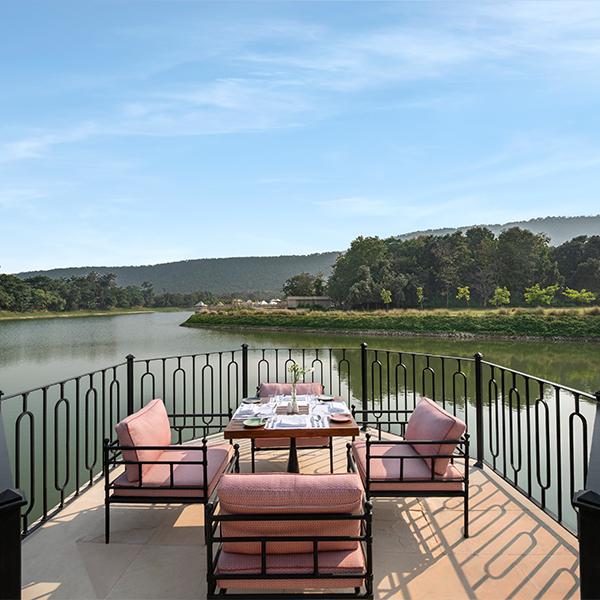
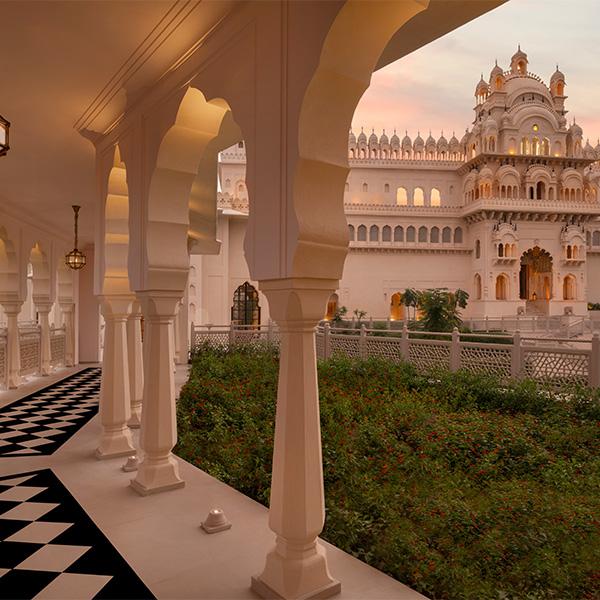
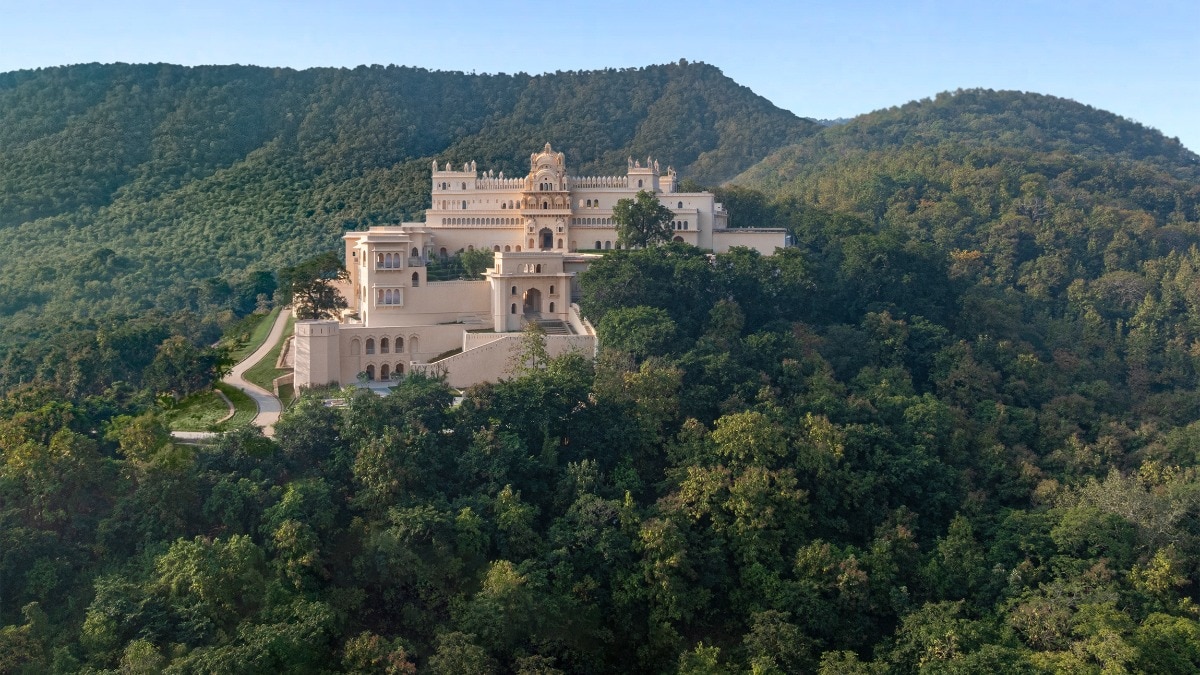
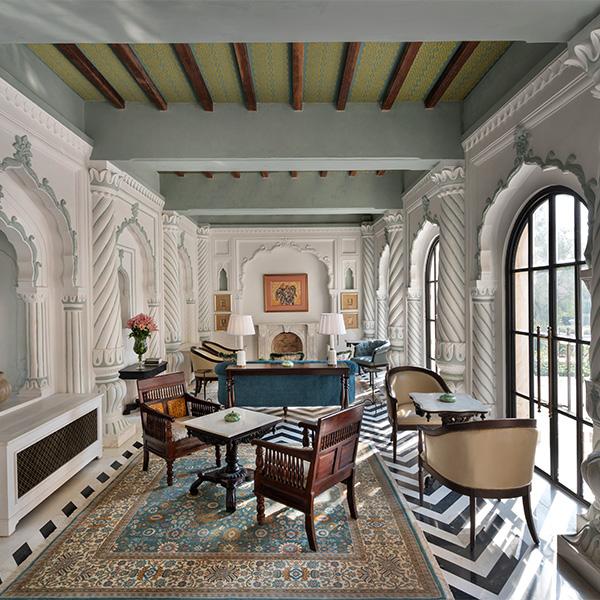
At the centre of this experience is The Oberoi Rajgarh Palace, a sensitively restored 350-year-old Bundela palace spread across a 76-acre estate in the Maniyagarh Hills. Surrounded by forests and a natural lake, the property offers a seamless blend of heritage and wilderness. Its proximity to Panna National Park allows for hassle-free access to curated morning and evening safaris led by Oberoi’s in-house naturalists, while the estate itself remains rich with birdlife and native flora, extending the experience of the wild beyond the reserve.
That sense of discovery continues beyond the forest. Located close to the Khajuraho Group of Monuments, the destination also allows travellers to explore one of India’s most significant UNESCO World Heritage Sites alongside wildlife experiences. Combined with direct flights between Delhi and Khajuraho, it makes for an easy summer escape—one defined by space, slower travel, and a stronger connection to nature and place.
Image credit: Oberoi Hotels & Resorts
Also read: Inside Château Bouffémont: History, heritage, and haute living
Also read: Nowhere to be, somewhere to go: The best luxury escapes in India
ADVERTISEMENT
Must Read









ADVERTISEMENT