‘Pillbox hats’ are reclaiming their place as fashion’s power accessory
Structured, sculptural, and unmistakably polished, the pillbox hat is reclaiming its place as one of fashion’s most powerful accessories.

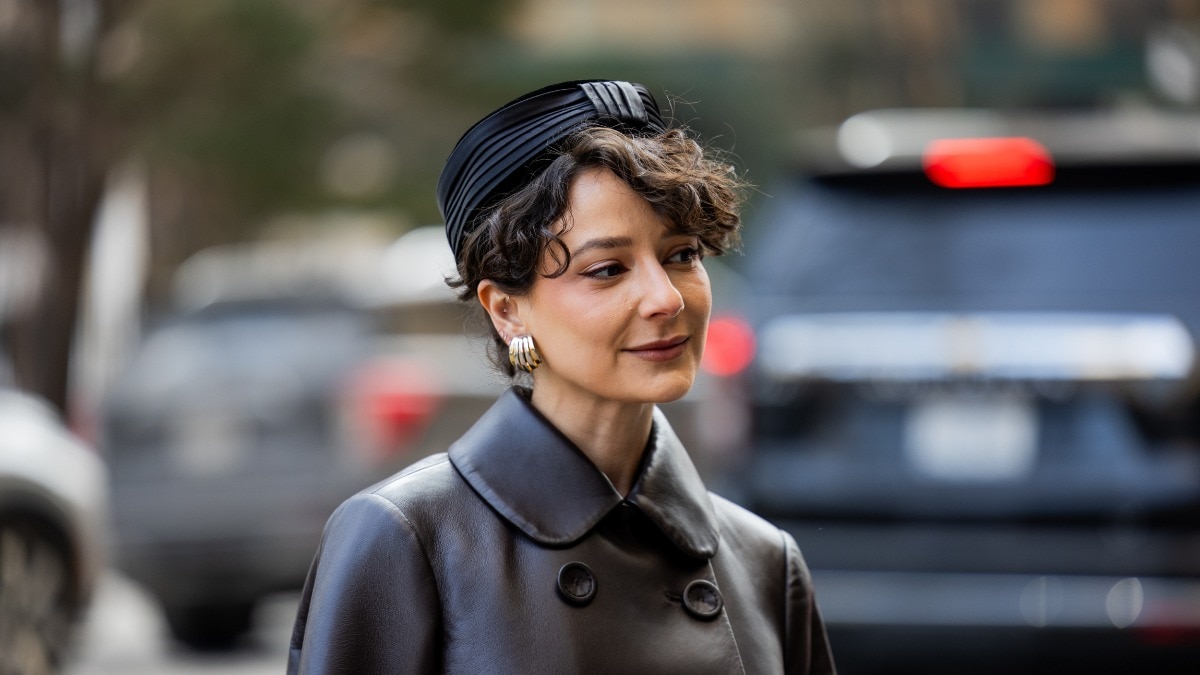
It was the crown of Princess Diana’s era, cemented in history by Jackie Kennedy Onassis’s effortless poise. It even found its way into the lyrical world of the '60s through Bob Dylan. For decades, the 'pillbox hat' has been a signature of power and has long remained one of fashion’s most iconic silhouettes.
What makes the pillbox so magnetic is its sculptural precision, designed to sit perfectly on the crown to frame the face with total clarity. Defined by its precise, brimless form, the silhouette carries a kind of quiet confidence that has long drawn fashion back to it.
Today, the silhouette is resurfacing once again in a striking fusion of heritage and modernity. We are seeing the pillbox take on breathtaking new narratives within global fashion, reappearing in new contexts that are reaffirming its enduring allure.
A Modern Command of Form
That renewed fascination is now visible across the runway, where global fashion weeks have embraced a bolder return to hats. Among them, vintage-inspired pillbox styles emerged as a subtle yet striking accessory choice. Designers have explored the form across a range of textures: leather, velvet, and even faux fur—each interpretation maintaining that distinctive structure while adapting it for a high-powered, modern wardrobe.
At Milan Fashion Week for the Fall/Winter 2026 showcase, the opening look at Rowen Rose, a brand synonymous with '80s-inspired glamour, featured a vivid green fur pillbox hat that set the tone for a collection steeped in sculptural intrigue.
Meanwhile, the accessory appeared repeatedly throughout Altuzarra’s Spring/Summer 2026 collection at New York Fashion Week, where the compact headpiece introduced a note of composed elegance to otherwise fluid, modern silhouettes.
The Pillbox enters its Heritage Era
Alongside its runway resurgence, the pillbox also appears to be entering what could be described as a heritage phase, where this archival silhouette is being revisited with new cultural interpretations. Closer home, a growing number of Indian designers are also beginning to explore structured millinery within traditional contexts, experimenting with how classic hat forms can be reimagined alongside indigenous textiles and silhouettes. One such interpretation comes from a visual narrative for the brand Ekaya Banaras, where stylist Surbhi Shukla explored how the pillbox could coexist with Indian draping traditions. By placing the structured geometry of the hat against the fluidity of the sari, Shukla has effectively created a cross-cultural dialogue.
The inspiration for this shift was born from a moment of historical observation. “I was at a museum in Rome when I came across a painting of a Roman soldier in an ornate military uniform, deep red with gold detailing, paired with what looked like a pillbox hat,” Shukla recalls. “I remember thinking how the scene felt almost as though it could belong to India, and how that silhouette might translate into a contemporary look in an Indian context.” Working with Palak Shah, the founder of Ekaya, a collaboration Shukla describes as one of “clear directive and creative liberty,” the two set out to explore something genuinely new. “We both were keen on exploring the idea of hats with saris in a way that hadn’t been explored before,” Shukla says, “and found the malleable silhouette of the sari to be a natural match.”
The brilliance of this styling lies in the visual tension. The sari is perhaps the world’s most famous malleable garment: six yards of fluid, draped grace. Introducing the rigid, structured geometry of a pillbox hat, crafted from the same intricate silks, created looks that were both grounded and avant-garde.
What makes the pillbox’s return so compelling is not just its nostalgia, but its adaptability. Once a symbol of mid-century polish, it now moves fluidly across geographies and aesthetics, from the runways of Paris and New York to the layered narratives of Indian craft. In 2026, the pillbox hat is precise, self-assured, and commanding. It signals a shift toward fashion that values form, history, and a certain kind of considered presence.
Lead image: Getty
Also read: The summer I turned an oversized white shirt pretty