




ADVERTISEMENT
Meet the designers who wear their own designs
Long before contracts and curated collaborations, there was a different kind of ambassador: the designer themselves.

The term brand ambassador has become one of fashion's favourite buzzwords. Every season brings a new celebrity face, influencer partnership, or campaign fronted by someone synonymous with a label. But long before contracts and curated collaborations, there was another kind of ambassador: the designer themselves.
After all, what better endorsement is there than the person who conceived the garment choosing to wear it every day? India's fashion landscape is filled with designers who don't just create beautiful clothes; they embody the very world they have built. Their wardrobes have become extensions of their design philosophies, proving that authenticity remains fashion's most persuasive marketing tool. Whether it's on an international stage like the Met Gala or a casual afternoon in Mumbai, these designers consistently champion their own labels, making them the most credible ambassadors their brands could ever ask for.
Manish Malhotra
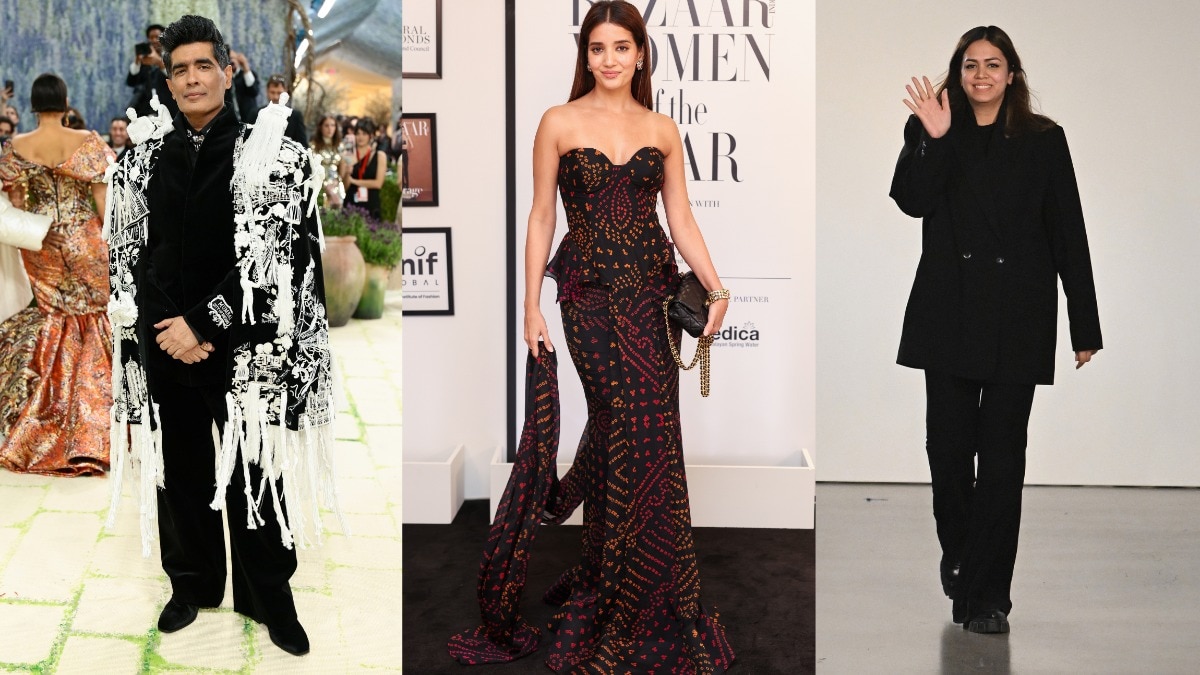
Few designers have become as synonymous with their creations as Manish Malhotra. A household name for weddings, celebrations, and modern Indian glamour, Malhotra has long been a loyal advocate of his own designs. His defining style moment, however, arrived at the Met Gala 2026. For his second consecutive appearance, the couturier chose to wear a sharply tailored black bandhgala paired with a dramatic cape embroidered with the names and signatures of the artisans behind the look. It wasn't simply an outfit; it was a tribute to Indian craftsmanship and the people who have shaped his atelier over decades. In wearing his own creation on one of fashion's biggest stages, Malhotra transformed himself into the most powerful spokesperson for his label and its legacy.
Arpita Mehta
If there is one designer who lives in her own wardrobe, it is Arpita Mehta. Rarely seen without one of her signature creations, Mehta effortlessly moves between mirror-work saris, vibrant Bandhani drapes, contemporary co-ord sets, and fluid festive separates. Since launching her label after graduating in Apparel Manufacture and Dress Design from SNDT University and debuting at Lakmé Fashion Week in 2013, she has built a distinct design language rooted in confidence, femininity, and ease. Rather than reserving her collections for the runway, Mehta wears them as naturally as everyday clothing, reinforcing her belief that Indian occasionwear should feel as empowering as it is beautiful.
Krésha Bajaj
Krésha Bajaj's personal style mirrors the ethos of the brand she founded in 2013: intricate and effortless, contemporary and deeply rooted in craft. A graduate of the London College of Fashion, Parsons, and FIDM Los Angeles, Bajaj launched her namesake label after searching for modern Indianwear for her own bridal trousseau and finding a gap in the market. Today, she is frequently seen wearing her own creations, from impeccably tailored occasionwear to delicately embroidered western silhouettes that balance glamour and wearability. Every appearance reflects the label's commitment to timeless design, hand embroidery, and thoughtful craftsmanship, making Bajaj the most authentic representation of the woman she designs for.
Anamika Khanna
Anamika Khanna is rarely seen in anything but her own designs, making her personal style a seamless extension of the label she has spent decades shaping. From fluid drapes and layered separates to contemporary takes on Indian couture, her wardrobe reflects the understated sophistication that defines her collections. Renowned for reimagining traditional silhouettes through a modern lens, Khanna has built a design language that fuses India's rich textile heritage with global sensibilities. By consistently wearing her own creations, she proves that her signature aesthetic isn't just designed for the runway, it's a way of dressing that feels timeless, effortless, and distinctly Anamika Khanna.
Kunal Rawal
Kunal Rawal has become as synonymous with his label as the men he dresses. Rarely spotted without one of his own impeccably tailored ensembles, the designer consistently champions his signature aesthetic of tonal palettes, textured fabrics, and contemporary Indian menswear. His personal wardrobe reflects the same philosophy that defines the brand: traditional craftsmanship reimagined through modern silhouettes with an emphasis on functionality and effortless style. Since launching his label in 2006, Rawal has carved out a distinct space in Indian fashion, redefining occasionwear for the modern man. By wearing his own designs at every opportunity, he demonstrates that his clothes aren't just made for the runway or the red carpet; they're designed to be lived in.
Ujjawal Dubey
Ujjawal Dubey has long made his own wardrobe an extension of Antar-Agni's design philosophy. Rarely seen without one of the label's signature creations, he gravitates towards fluid drapes, architectural tailoring, earthy palettes, and layered silhouettes that have become instantly synonymous with the brand. Through his personal style, Dubey reflects Antar-Agni's distinctive balance of structure, movement, naturalism and modernity, proving that contemporary Indian fashion can be both experimental and deeply wearable. Since launching the label in 2014, he has built a singular aesthetic rooted in craftsmanship, instinct, and thoughtful design, one that he continues to embody every time he steps out in his own creations.
Shweta Kapur
For Shweta Kapur, personal style and brand identity are almost inseparable. More often than not, the designer steps out in her own creations, effortlessly showcasing 431-88's signature mix of sharp tailoring, relaxed silhouettes, and sophistication. Her wardrobe reflects the label's philosophy, modern, functional, and quietly confident, designed for women navigating everyday life with ease and individuality. Since launching 431-88, Kapur has built a distinct design language rooted in clean lines, thoughtful proportions, and timeless versatility. In wearing her own designs, she demonstrates exactly how the brand is meant to be lived in.
Kanika Goyal
Kanika Goyal has cultivated one of the most recognisable personal uniforms in contemporary Indian fashion. Whether it's her sharply tailored oversized blazers, embroidered jackets, or elevated separates, Goyal consistently wears the aesthetic that has made her label a favourite among fashion insiders. After studying at NIFT Delhi and Parsons New York, and honing her craft through stints with global names including Prada, Marchesa, Adidas, and Bibhu Mohapatra, she launched her label in 2014 with a vision that blurred the lines between streetwear, tailoring, and luxury. Her own wardrobe has become an extension of that vision, confident, modern, and unmistakably Kanika Goyal.
Isha Jajodia
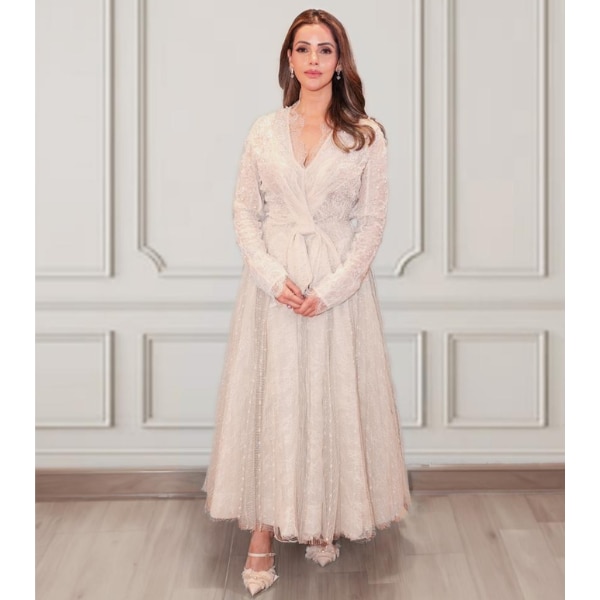
If there is one person who perfectly embodies the Roseroom woman, it's founder Isha Jajodia herself. Rarely seen without one of her own creations, Jajodia effortlessly champions the label's signature aesthetic, romantic lace, sculpted corsetry, delicate embellishments, and contemporary couture silhouettes that strike a balance between femininity and elegance. Through her own wardrobe, she demonstrates the versatility of Roseroom's designs, styling them well beyond occasion wear and proving that couture can feel refined and wearable. Founded as a contemporary Indian couture label, Roseroom blends traditional craftsmanship with a global design sensibility, creating timeless pieces rooted in precision and comfort. In wearing her own designs so consistently, Jajodia becomes the label's most authentic brand ambassador, bringing its vision to life with every appearance.
Masaba Gupta
Few designers have built a visual identity as unmistakable as Masaba Gupta. One glance at her bold prints, unexpected colour palettes, and playful drapes is often enough to know it's House of Masaba. Gupta herself is rarely seen in anything but her own label, effortlessly wearing the same fearless aesthetic that has become synonymous with the brand. Since launching House of Masaba at just 19 years old, she has created a fashion universe that spans festive dressing, bridal wear, resort collections, and modern occasionwear, all rooted in her distinctive design language. By making her own wardrobe an extension of the label, Gupta proves that the strongest endorsement comes from wearing your creations with complete conviction, because when a brand is this distinctive, it speaks for itself.
Palak Shah
As the CEO of Ekaya Banaras, Palak Shah has become one of the strongest advocates for contemporary handloom dressing. Whether she's wearing vibrant Banarasi saris, relaxed kaftans, playful polka dots, or unconventional blouses with asymmetric silhouettes, Shah demonstrates just how versatile heritage textiles can be. Carrying forward over 120 years of her family's Banarasi weaving legacy, she has helped position Ekaya as India's first luxury handloom brand while introducing innovative collaborations that reimagined traditional textiles for a new generation. By consistently wearing the label herself, Shah proves that handloom isn't reserved for special occasions; it can be an effortless part of a modern wardrobe.
Fashion has always been about storytelling, and no one tells a brand's story better than the person who created it. These designers aren't simply wearing beautiful clothes; they're wearing years of research, craftsmanship, heritage, and personal vision. In an era flooded with endorsement deals and celebrity campaigns, their greatest marketing strategy remains refreshingly simple: they believe in what they create enough to wear it themselves. And that's the most aspirational campaign of all.
Image credits: Getty Images
Also read: India Couture Week 2026 in all its glory: Celebrating the artisans, the atelier, and the art of couture
Also read: The ultimate Ibiza-inspired swimwear edit to shop now
ADVERTISEMENT
Must Read

ADVERTISEMENT