





ADVERTISEMENT
When your old life no longer fits: The psychology of personal reinvention
Why we change our clothes, homes, habits, and even social circles when we begin to outgrow the person we once were.

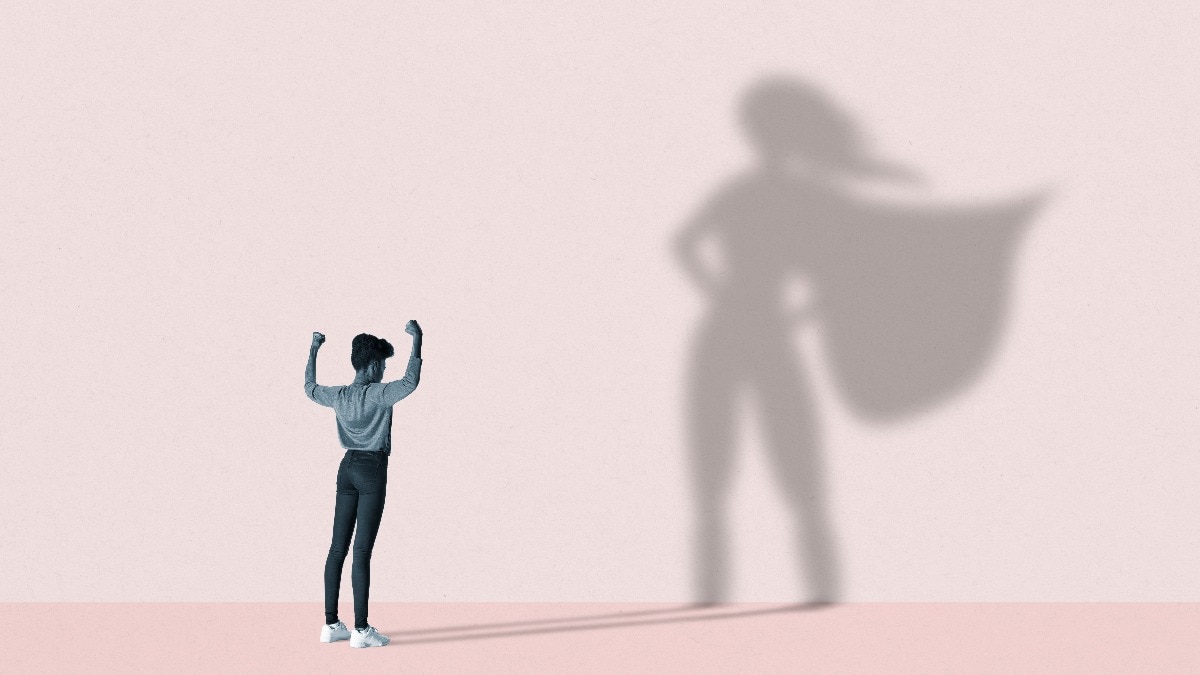
There comes a moment when a wardrobe suddenly feels wrong. The clothes still fit. The furniture is still beautiful. The haircut is perfectly acceptable. The photographs from five years ago still look enviable.
And yet, something feels outdated.
Not necessarily the objects themselves—but the person who chose them.
This is the psychology behind personal rebranding: the instinct to change our aesthetic, habits, social presentation and even our sense of identity when the internal self has moved somewhere the external world has not yet caught up.
We often call it a makeover. Psychologically, it can be something much more profound. It is an attempt to make the visible self congruent with the emerging self.
The solution is not to change everything at once. Begin by identifying what genuinely feels outdated and what still represents you. Reinvention works best when it is intentional rather than impulsive.
The identity has moved first
Human identity is not static. We accumulate experiences, relationships, disappointments, achievements, and ambitions that quietly alter our understanding of who we are.
Yet our external environment tends to lag behind.
The clothes we wear may belong to an earlier career. The home may reflect an earlier financial position. Our social circles may have formed around an earlier personality. Even the way we speak, style ourselves or spend our weekends can belong to a version of ourselves we have psychologically outgrown.
Eventually, the discrepancy becomes uncomfortable. Rebranding becomes a form of alignment.
A woman entering her forties may suddenly prefer architectural tailoring to trend-driven fashion. A newly independent professional may redesign an entire home. Someone emerging from years of intense responsibility may become drawn to colour, travel and play.
None of these changes necessarily represents superficiality. They can represent identity catching up with experience.
A useful exercise is to separate three things: what you have outgrown, what you want to preserve and what you have not yet explored. Reinvention becomes clearer when you stop treating your entire past as something that needs to be discarded.
The desire to leave an old self behind
Sometimes reinvention is not about expressing a new identity but escaping an old one.
After periods of emotional difficulty, professional frustration or social conformity, people may develop a strong desire to become visually unrecognisable from their previous selves.
The dramatic haircut. The minimalist wardrobe. The sudden preference for understated luxury. The relocation. The new professional identity. These choices can provide psychological distance.
The message is not necessarily, “Look at my new life.” Sometimes it is simply, “I am no longer that person.”
There is enormous psychological power in being able to see evidence of change. But there is an important distinction between moving forward and running away.
Before making a major change, ask: Am I moving towards something I value, or merely trying to escape something I dislike? If the answer is primarily escape, give yourself time to process the old experience rather than expecting a new identity to erase it.
The past does not have to disappear for the present to become different.

Why life stages trigger reinvention
Certain transitions naturally destabilise identity.
Graduation. Marriage. Parenthood. Divorce. Career success. Financial independence. Relocation. Loss. Midlife. Retirement.
These moments interrupt the continuity of the self. The old question—“Who am I?”—quietly returns. Aesthetic transformation becomes one of the safest ways to experiment with the answer.
Unlike a complete psychological transformation, changing one's clothes, hair, surroundings or social presentation offers immediate feedback. We can try on a different version of ourselves before committing to it internally.
In this sense, fashion and aesthetics function almost like identity laboratories. We experiment externally until something begins to feel internally true.
The healthiest approach is to treat reinvention as experimentation rather than a permanent declaration. Try the new career interest, style, routine, environment or social activity in small ways before rebuilding your entire life around it.
Identity becomes clearer through experience—not just introspection.
Why luxury becomes particularly interesting
As financial security increases, aesthetics can become less about signalling access and more about expressing discernment.
Early-stage consumption often asks: What demonstrates success? Later-stage identity may ask: What feels like me?
This is why mature luxury frequently becomes quieter. Logos can give way to craftsmanship. Quantity can give way to curation. Fashion can give way to personal style. The desire to impress can gradually be replaced by the desire to recognise oneself.
True personal luxury may therefore be less about possessing exceptional things than about developing the freedom to choose things that are exceptionally specific to you.
A useful solution is to replace accumulation with editing. Before buying something new, ask whether it adds genuine value, expresses your taste or simply provides temporary validation. The same principle applies to homes, wardrobes, schedules and social commitments.
Luxury eventually becomes less about having more choices and more about having the freedom to reject what does not belong.
But reinvention can also ecome a performance
There is a darker side to personal rebranding.
When identity becomes excessively dependent on external validation, reinvention can become an endless cycle. New clothes, new bodies, new homes, new careers, new social circles—each promising the psychological relief that only internal integration can provide.
The danger is confusing novelty with transformation. A new aesthetic can introduce a new chapter. It cannot, by itself, resolve the psychological conflicts carried into that chapter.
The most enduring reinventions therefore happen when external change follows internal change rather than attempting to manufacture it.
One way to prevent this cycle is to establish an internal measure of progress. Ask: Would I still want this change if nobody could see it? If the answer is yes, it is more likely to reflect genuine preference rather than performance.
External validation can be enjoyable. It simply cannot become the foundation of identity.
The problem of becoming too attached to the new self
There is another subtle trap.
Once we discover a new version of ourselves, we can become equally rigid about protecting it. The minimalist becomes afraid of colour. The successful professional feels unable to slow down. The person who once lived for others becomes determined never to compromise again. The person who rejected status becomes uncomfortable admitting that they enjoy beautiful things.
Reinvention can become another identity prison.

The goal is not to replace one rigid identity with another. Leave room for contradiction, experimentation and change. A mature identity can contain seemingly opposite qualities: ambition and rest, simplicity and luxury, independence and intimacy, seriousness and play.
Becoming better does not necessarily mean becoming more consistent. Sometimes it means becoming more integrated.
The most elegant reinvention
Perhaps the most sophisticated form of personal rebranding is not becoming someone entirely new. It is becoming increasingly precise about who you already are.
With age, the need to perform an identity can diminish. What remains is preference—clearer, quieter and less apologetic. The wardrobe becomes edited. The home becomes intentional. Relationships become selective. Ambition becomes more personal.
The transformation may be almost invisible to everyone else. But to the person living it, everything has changed.
The practical task is therefore simple: periodically audit your life. What gives you energy? What drains you? What no longer fits? What do you repeatedly choose? What are you postponing? What would you choose if you were no longer trying to satisfy an old expectation?
These questions turn reinvention from an aesthetic impulse into an ongoing process of self-knowledge.
Because the ultimate purpose of reinvention is not to convince the world that you have become someone different. It is to finally make the outside world look like the person you have become inside.
And perhaps that is the most elegant form of becoming: not creating a new self, but removing everything that prevents the existing self from being fully expressed.
Chumki Bose is a psychologist who focuses on marriage, relationships, family dynamics, personality disorders, trauma-related psychological issues, anxiety, depression, and existential crises.
Images: Getty Images and Pexels
Also read: Calm stacking is a simple way to add serenity to your day
Also read: What is 'bag lady syndrome'? The money fear we are still not talking about
ADVERTISEMENT
Must Read








ADVERTISEMENT