




ADVERTISEMENT
The technologies changing how women live, work, and care for themselves
From smart menstrual health devices and wearable safety technology to at-home fertility monitors, these innovations are addressing women's needs and reshaping the future of everyday wellbeing.


Technology has long been celebrated for its ability to make everyday life more seamless. Yet, some of its most meaningful advancements are emerging from a space that has historically received comparatively little attention: women's needs. From understanding hormonal changes to navigating reproductive health and personal safety, a new generation of innovations is bringing greater precision, accessibility, and consideration to the conversations.
The rise of femtech has also encouraged a more nuanced approach to product development, with technology increasingly designed around the biological, physical, and everyday experiences of women. The result is a growing landscape of intelligent devices and solutions that combine thoughtful engineering with practical functionality.
Here are the innovations that offer a glimpse into how technology is shaping a more considered future for women.
Period pain relief devices that offer a new approach to menstrual care
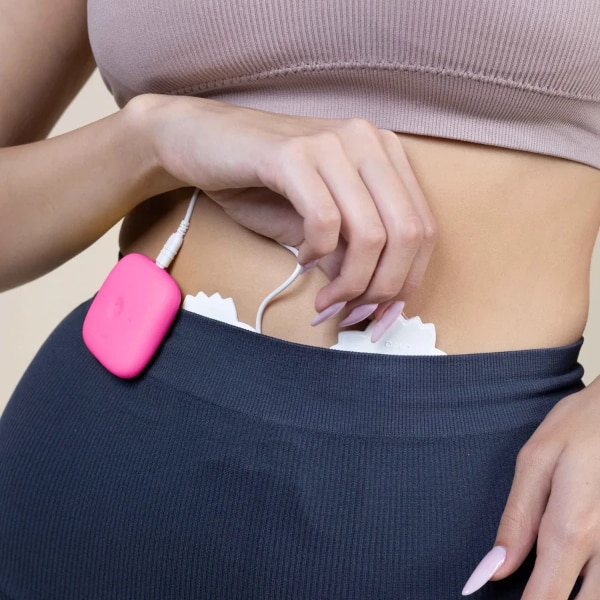
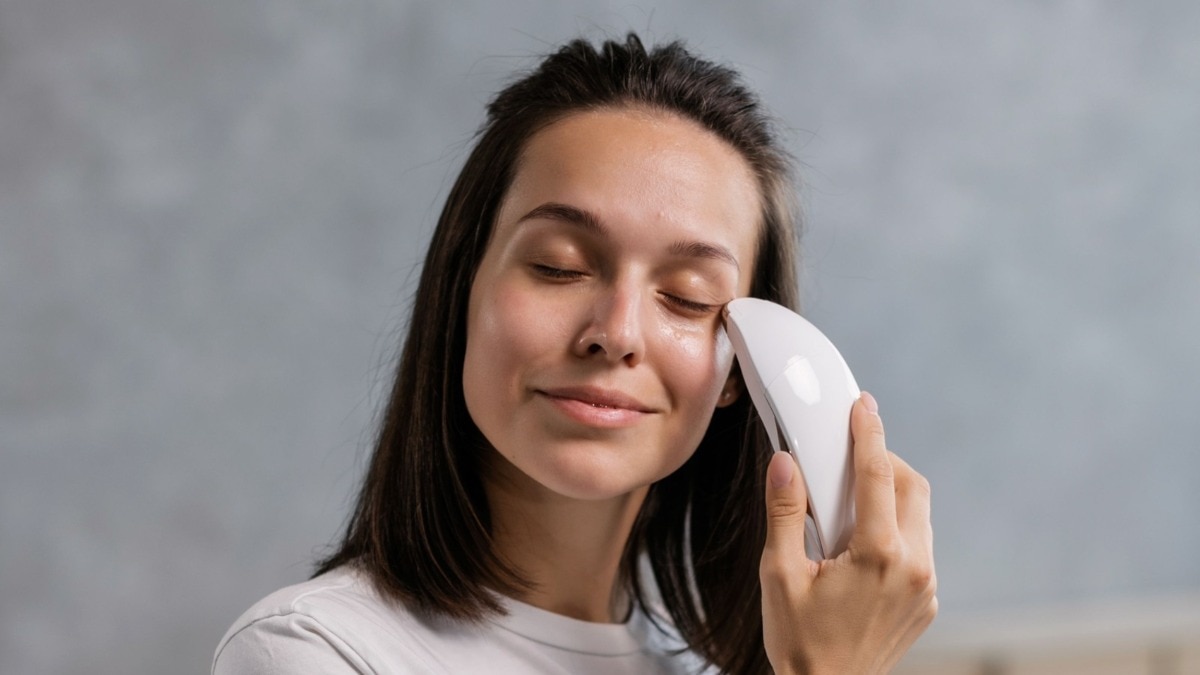
Menstrual discomfort has long been managed through familiar remedies, from heating pads to medication. Wearable pain relief devices are introducing a more discreet alternative. Products such as Livia use transcutaneous electrical nerve stimulation (TENS) to deliver gentle electrical pulses through electrode pads. These innovations allow women to manage period discomfort while continuing with their everyday routines.
Smart rings that offer a closer understanding of the body
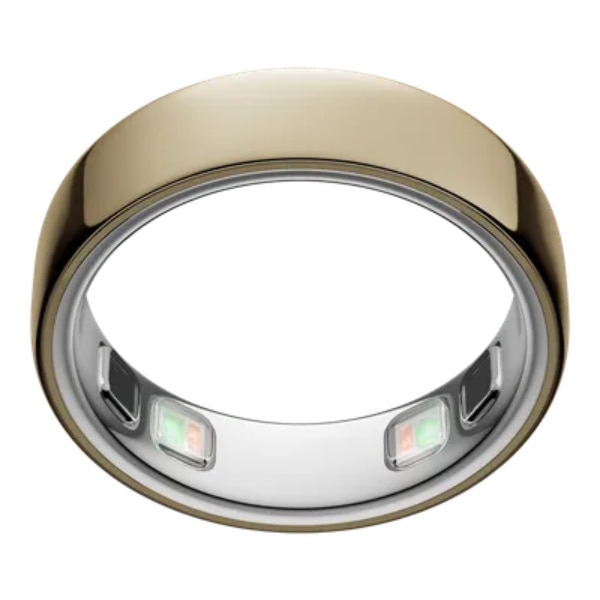
The evolution of wearable technology is moving towards devices that are as discreet as they are intelligent. Smart rings, including the Oura Ring, are a reflection of this shift. Equipped with sensors that monitor sleep, heart rate, skin temperature, and activity, they offer a more comprehensive understanding of the body's patterns. Some features also provide insights into menstrual cycle trends, stress, and recovery. What makes these devices particularly interesting is their ability to translate everyday physiological data into a more informed approach to personal well-being.
Fertility monitors bring precision to cycle tracking
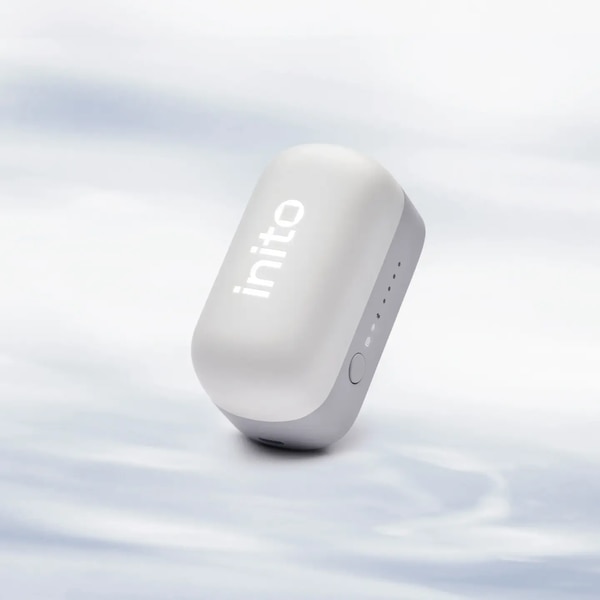
Understanding one's menstrual cycle involves more than keeping track of dates. At-home fertility monitoring systems such as Inito use hormone-testing strips and smartphone technology to measure changes in reproductive hormones. By tracking multiple hormonal markers, these devices offer a more detailed picture of fertility patterns and the fertile window. For women looking to understand their cycles more closely, this technology represents a move towards more personalised reproductive health management.
Smart pelvic floor trainers redefining intimate wellness
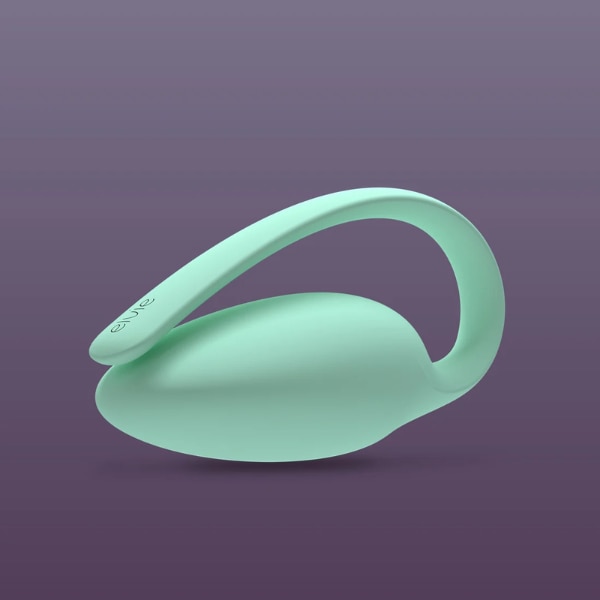
Pelvic floor health is an essential yet frequently overlooked aspect of women's well-being. Smart devices such as the Elvie Trainer are bringing greater attention to this area through biofeedback technology. Connected to a smartphone application, the device guides users through pelvic floor exercises while providing real-time feedback on muscle movements. By combining intelligent design with guided training, it makes an otherwise private and often unfamiliar wellness routine more accessible.
Wearable breast pumps designed around modern motherhood
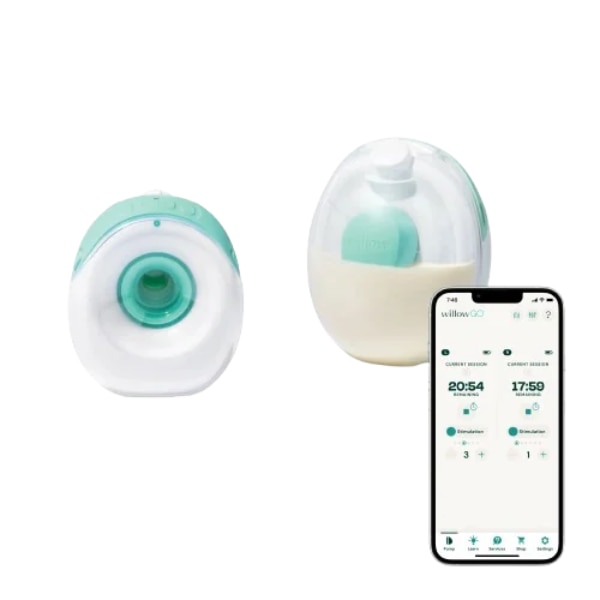
The relationship between motherhood and technology is evolving, with wearable breast pumps offering greater flexibility to new mothers. The Willow Go, for instance, is designed to fit inside a bra, allowing women to express milk without being connected to conventional external pumping equipment. Its hands-free design makes it easier to incorporate feeding schedules into the demands of everyday life. It is an example of how thoughtful engineering can make maternal care more adaptable, particularly for women balancing professional and personal responsibilities.
Cooling wearables addressing the discomfort of menopause
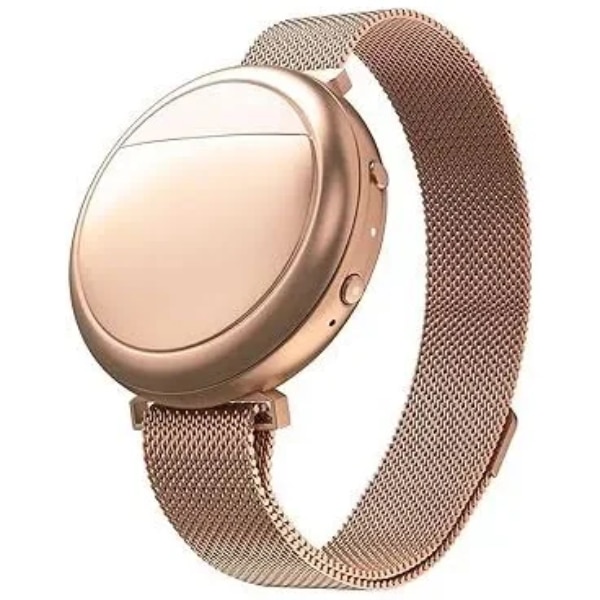
Menopause is receiving renewed attention within the wellness technology space, particularly as conversations around women's health become more inclusive of different life stages. The Embr Wave 2 is one such innovation, using temperature-based technology to deliver cooling or warming sensations through the wrist. Designed to help users manage sensations associated with temperature fluctuations, it offers a wearable approach to everyday comfort. More importantly, products in this category signal a growing recognition of menopause as an area deserving of dedicated innovation.
Personal safety devices that make protection more accessible
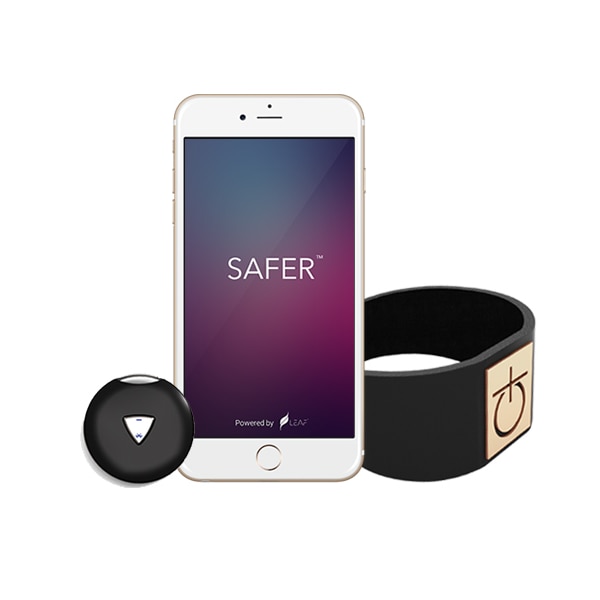
For women navigating cities, commuting after dark or travelling independently, personal safety remains an important consideration. Technology is responding through discreet devices designed to connect users with emergency assistance. Leaf Wearables' SAFER, for instance, was developed as a wearable personal safety device that can send SOS alerts and location information to trusted contacts. By integrating safety features into compact accessories, these innovations explore how technology can become a more seamless part of everyday protection.
AI-powered assistants making the modern workplace more efficient
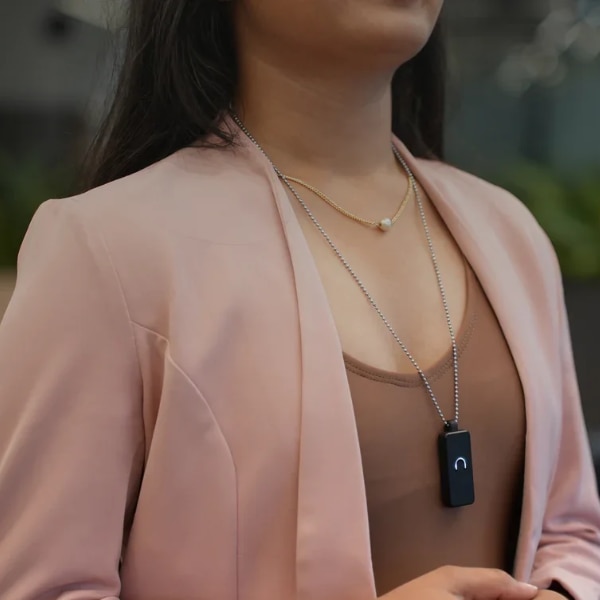
As professional lives become increasingly connected, artificial intelligence is finding its place beyond computers and smartphones. AI-powered wearables such as the NeoSapien AI Pendant are designed to record conversations, transcribe discussions, and generate organised notes. For professionals navigating multiple meetings, deadlines, and projects, such tools can help simplify administrative tasks and make information easier to revisit. It is a particularly interesting development in the evolution of workplace technology, where the emphasis is gradually shifting towards efficiency and considered productivity.
Digital healthcare making specialist support more accessible

Access to healthcare is being reshaped by digital platforms that connect women with specialists, consultations and ongoing wellness support. In India, platforms such as Elda Health are addressing different aspects of women's healthcare, including midlife wellness, menopause, and reproductive health. Through virtual consultations and digital health resources, these services offer an additional avenue for women to seek information and professional guidance. Their growing presence also highlights the importance of building healthcare experiences around the different needs and stages of a woman's life.
A more considered approach to everyday living
The future of women's technology lies in its ability to understand the nuances of everyday life. It is not simply about creating smarter devices, but about developing solutions that respond to needs that have often remained underrepresented in mainstream innovation. Whether it is understanding hormonal patterns, navigating motherhood, improving workplace efficiency, or approaching personal wellness with greater awareness, these developments point towards a more considered relationship between technology and the modern woman.
As innovation continues to evolve, the most significant advances may be those that make everyday life feel a little more intuitive.
Lead image: Pexels
Also read: Athiva Pulse is redefining what wellness looks like in a city hotel
Also read: What’s in your glass? Inside Gen Z’s fun café-drink orders
ADVERTISEMENT
Must Read






ADVERTISEMENT