How did “millennial fashion” become an insult?
Why did the internet turn everything from skinny jeans to side parts into a generational scorecard—and why are those same “fashion crimes” back?


For as long as I can remember, tucking the front of my shirt into my pants has been one of those little styling tricks that just works. It makes my top look a little more snatched, gives my outfit some structure and, frankly, makes me feel more put together. What I didn’t know was that doing this made me look uncool or worse, old, until a reel on Instagram told me so.
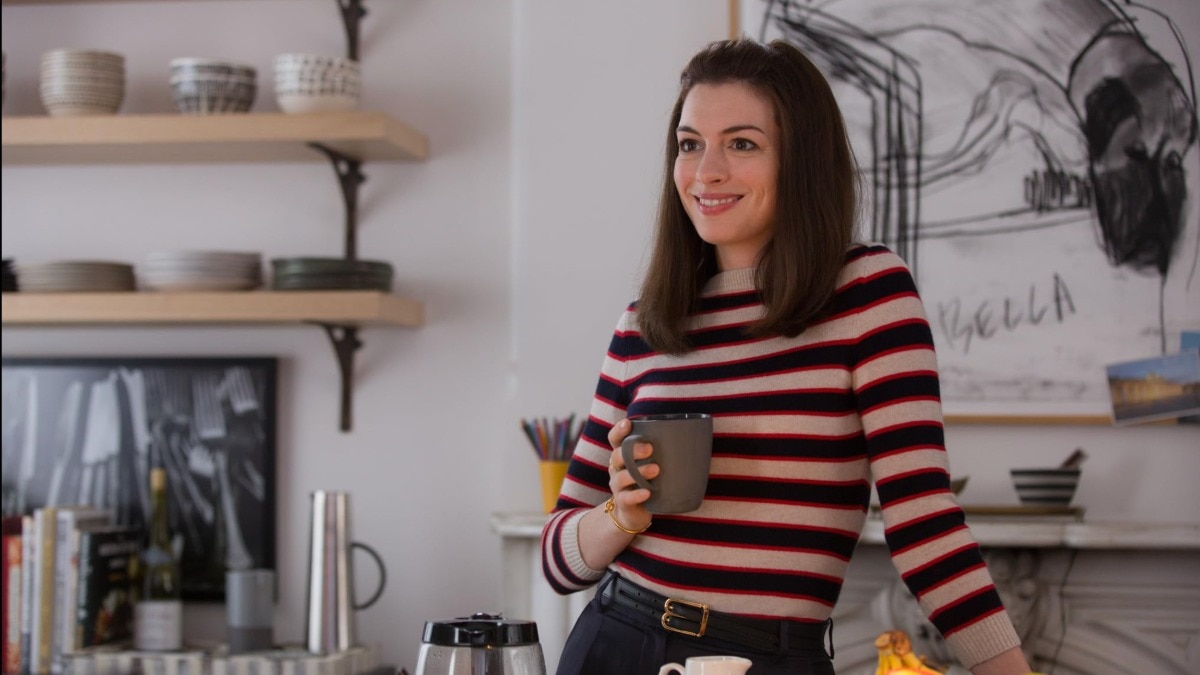
The internet has apparently decided that millennials have a lot to answer for. Side parts, skinny jeans, front tucks, sling bags worn across the body, frosted lip gloss, and statement necklaces have all been presented as fashion crimes that distinctly belong to another (supposedly outdated) generation. And while I can understand the instinct to move on from trends that have been overdone, I find it bizarre how quickly something can go from universally acceptable to deeply uncool simply because the internet has decided it belongs to a certain age group.
When did fashion choices become generational identifiers?
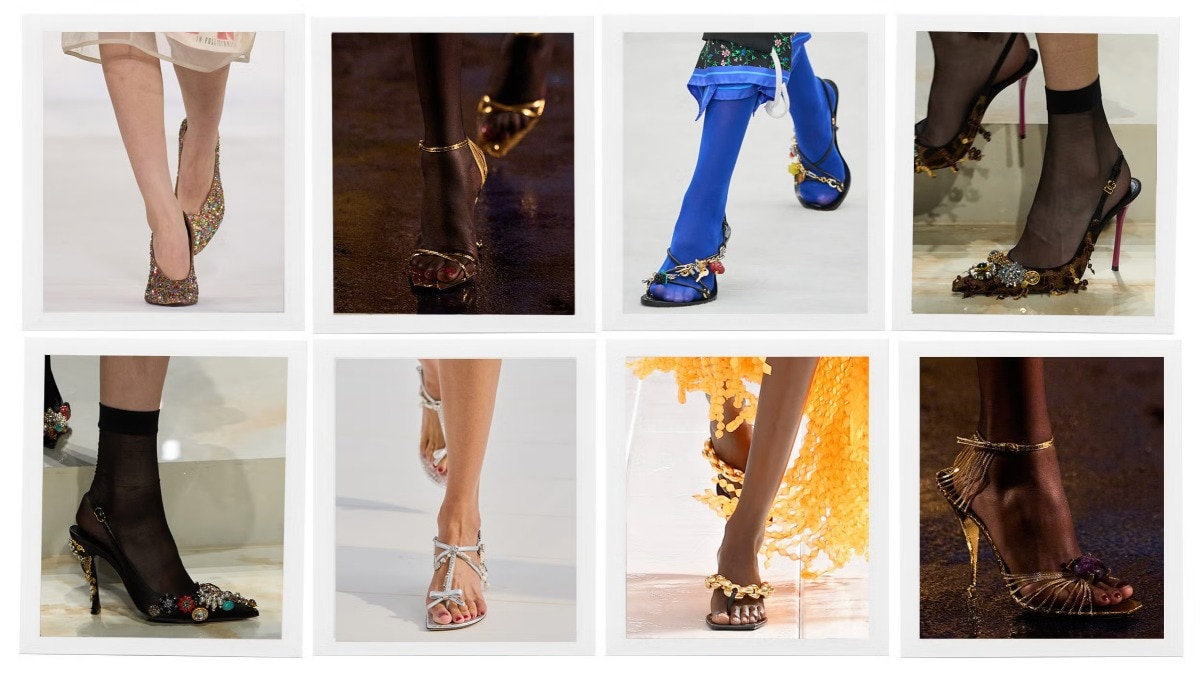
The rap sheet of fashion crimes millennials, and a lot of older Gen Z, are shamed for goes well beyond front tucks and skinny jeans. Chunky jewellery, peplum tops, overlined lips, ballet flats, and statement necklaces have all become a kind of identifier for millennials. Instagram even gave us content on how to spot a millennial based on how they dress. Now sure, some of these trends are dated (here’s hoping cut-crease eyeshadow and neon trousers never make a comeback). But when did dated become synonymous with bad? We may not be particularly fond of every trend, but we don’t think they deserve to be treated as fashion crimes either. And the truth is, these only became embarrassing once the internet decided they were.
That’s the thing about trend culture. It has changed our perspective so much that we've begun to assign an age, a generation, and a certain level of cool to every choice that we like and dislike. A side part, which was just a hairstyle, has become epically “millennial”. Skinny jeans aren’t just a silhouette anymore; they're proof that you're behind the times. Fashion has always been cyclical, but social media has turned those cycles into a kind of generational scorecard. Somewhere between “that's not my style” and “that's so millennial”, wearing the “wrong” thing is like admitting you've missed the memo.
Stuck between two fashion eras
Now, being older Gen Z has made it particularly difficult to find my footing in most spaces. I grew up with one foot in an era of Tumblr, Pinterest, and fashion blogs, and another in the world of TikTok micro-trends and algorithm-approved aesthetics. I remember when fashion inspiration came from scrolling through a celebrity’s airport photos or saving a look to a Pinterest board, before every outfit had a name, a “core”, and a shelf life. I’ve always looked to both millennials and younger Gen Z for inspiration, borrowing from one while watching the other reinterpret the same pieces, only to somehow end up feeling like I’m doing both wrong.
And that’s probably one of the reasons my own wardrobe looks like a bit of a contradiction. I’ll wear a blazer with jeans, a ballet flat, a fitted cardigan, or a sleek shoulder bag without stopping to consider whether I’m dressing like a millennial. These are just clothes I like. And that, surely, should be enough of a reason to wear them.
Plus, I believe there’s a difference between something being dated and something being bad. In fact, some of the most interesting fashion comes from wearing something that isn't currently considered cool. A trend doesn't suddenly lose all aesthetic value because its cultural moment has passed. If anything, wearing something outside its designated window can make it feel more personal. After all, personal style, by definition, isn't supposed to fit neatly into a demographic. It’s a collection of things you’ve picked up along the way: a silhouette you loved as a teenager, a styling trick you stole from your mum, a celebrity outfit you saved years ago, a trend you swore you’d never wear and eventually did. Why should all of that have to make sense according to an algorithm?
The trends we were told to forget
The bigger problem, perhaps, is how quickly we’ve started expecting ourselves to move on. Something can spend two years being the ultimate wardrobe staple, only to become “out” overnight because a handful of TikToks have declared it dated. We barely have time to develop an actual relationship with a trend before we're being told we should be embarrassed to still like it. And yet, fashion has a funny way of proving us wrong.
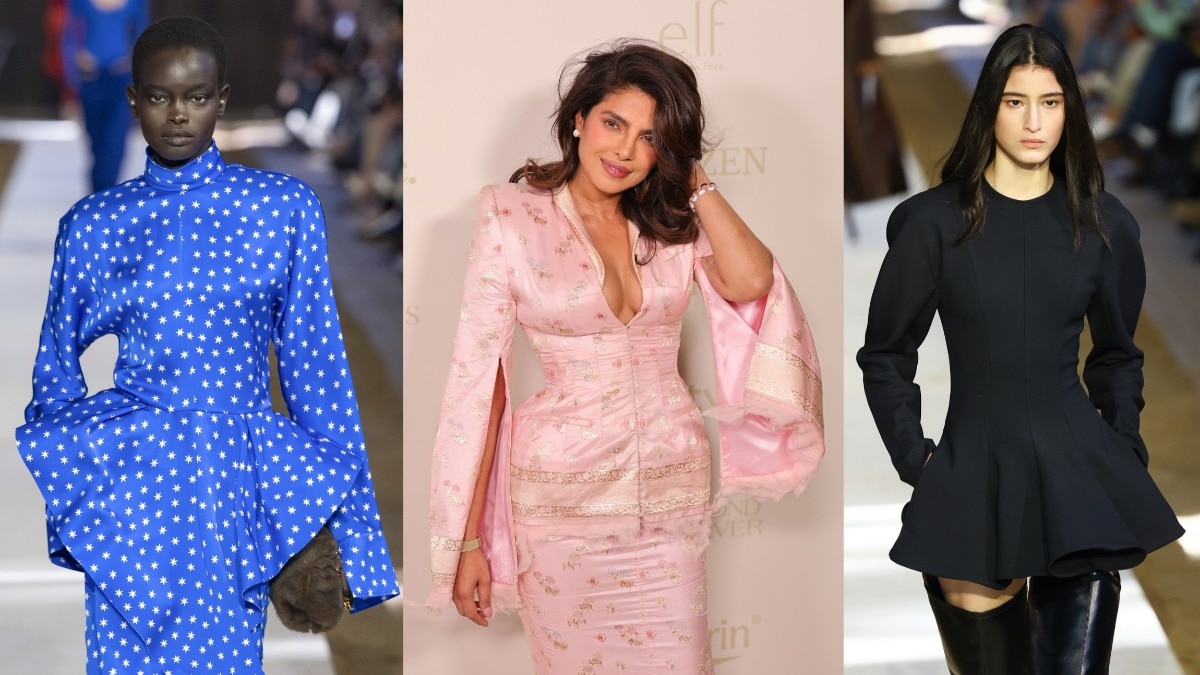
Skinny jeans, once the ultimate millennial fashion crime, are making their way back into wardrobes. Low-waist trousers, which spent years being treated as a relic of the 2000s, are everywhere again. Waist chains went from an accessory we couldn't imagine wearing without irony to one that suddenly feels fresh. Ballet flats, kitten heels, fitted cardigans, and even the much-maligned peplum have all found their way back into the fashion conversation. The things we were so quick to label “over” have a habit of returning with a slightly better PR strategy.
It makes you wonder: if trends can come back this easily, why are we so invested in declaring them embarrassing in the first place? A skinny jean isn't inherently dated because it was popular ten years ago, just as a straight-leg jean isn't automatically more stylish because it is having its moment now. At some point, we stopped asking whether we actually liked something and started asking whether it was still cool enough to wear.
Maybe that's what feels most appealing about fashion to me now: not knowing exactly which generation an outfit belongs to. I don't want my wardrobe to function as a demographic marker, and I certainly don't want an Instagram reel deciding whether something I've loved for years is suddenly embarrassing.
Trends will keep changing, and there will always be another silhouette, colour or styling trick waiting to be declared the next big thing. But personal style isn't meant to keep up with all of it. It's meant to accumulate—to borrow, repeat, reject, revisit, and occasionally surprise you.
As an older Gen Z, I don't particularly want to dress like a millennial or dress like Gen Z. I want to dress like myself. And if that means a front tuck, skinny jeans, or a waist chain makes its way back into my outfit, so be it.
Lead image: IMDb
Also read: Why are kids being dressed to look like adults?
Also read: Are we witnessing the death of 'makeup personality'?