




ADVERTISEMENT
From One Direction to Carolyn Bessette-Kennedy, the fangirl era is back
If you grew up in the 2000s, you know what it felt like to love something so hard it hurt. Now, that kind of obsession is finding its way back.

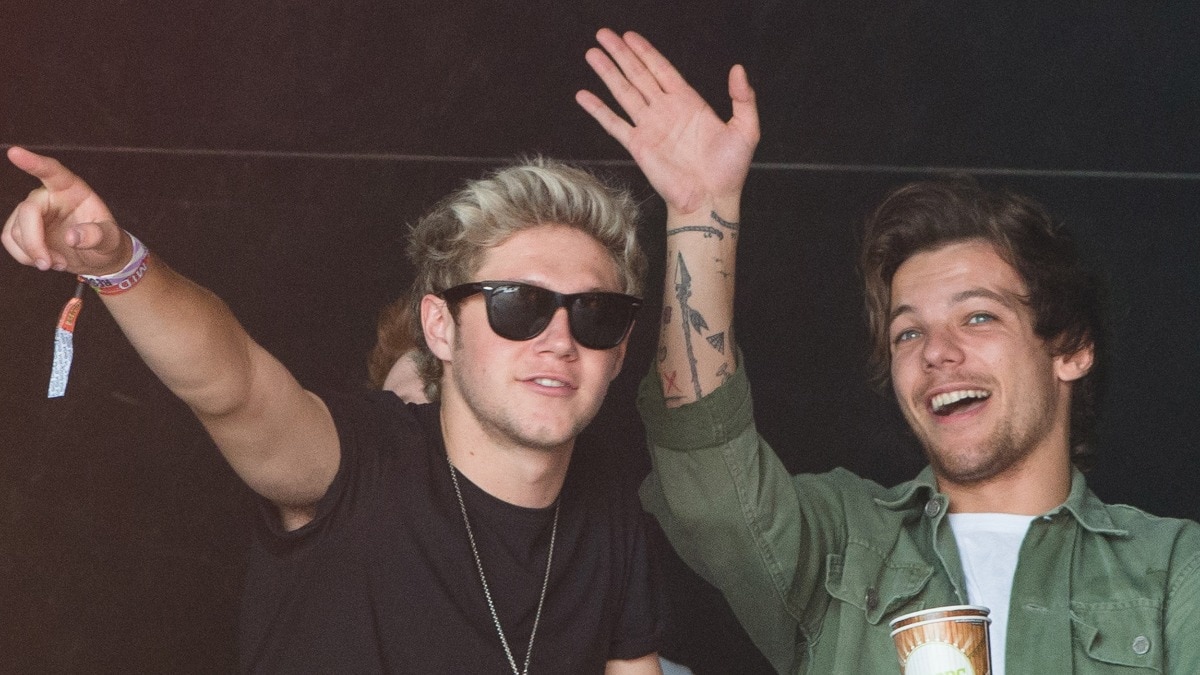
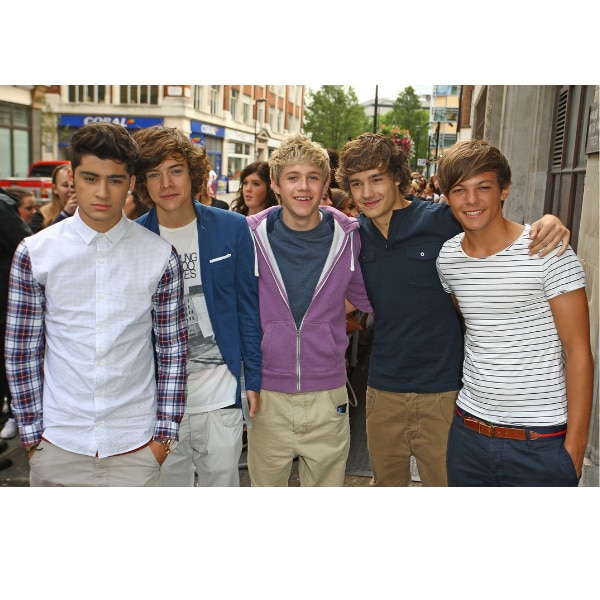
This isn’t the kind of love we consume now—the measured, algorithmic kind: a double tap, a save, a three-second pause on a reel before the feed swallows you whole. We’re talking about something far more obsessive. The kind of love that had you blu-tacking a life-sized poster to your bedroom ceiling. The kind that had you wearing a 'T' for Troy Bolton around your neck like a prayer. The kind that made you pick a side, Styles girl or Malik stan, and defend it like your identity depended on it.
Being a Belieber, a Directioner, a Swiftie: this wasn't fandom. This was infrastructure. It was how a generation of girls found their people, built their language, and figured out who they were. You didn't just love Harry Styles. You loved the girl you became in a room full of other girls who loved Harry Styles. The fan wars, the fan fiction, the counting down of days until an album dropped, the dreaming about someone who might sing 'Shanaya Shanaya' to you across a crowded cafeteria (somehow, you know every reference like the back of your hand and that’s the beauty of it, the memory, the relatability, the desire—it still makes you smile wistfully) it was communal, it was electric, and it was completely, gloriously irrational, but somehow it still made sense.
And then, somewhere between 2015 and now, it quietly died.
The Decline
The culprit wasn't cynicism. It wasn't growing up. It was access.
Somewhere along the way, the distance collapsed. Your favourite celebrity was suddenly on Instagram Stories at 2 am, showing you their fridge. They were on BeReal, looking exhausted. They were posting apology notes in the Notes app, having public breakdowns, and doing brand deals for teeth-whitening kits. The curtain didn't just come down; it was set on fire, live, for engagement.
And with it went the magic.
See, fangirling was never really about the celebrity. It was about the gap between you and them—that vast, charged, beautiful space of not-knowing. You projected everything into that gap. Your longing. Your fantasy. Your sense of what love and beauty and greatness could look like. The gap was where desire lived.
Social media didn't just make celebrities accessible. It murdered aspiration quietly and called it authenticity.
When everything is attainable, when you can slide into someone's DMs, when you can watch them ugly-cry in real time, when you can buy exactly what they're wearing before the post is an hour old, the longing evaporates. And without longing, there is no fangirl. There is only a consumer waiting to be influenced.
Enter: Carolyn Bessette-Kennedy
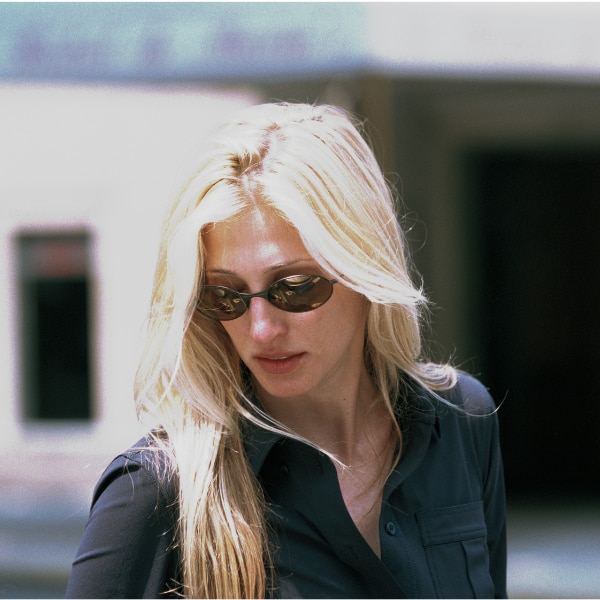
In the last couple of weeks, something shifted. A woman who has been dead for over two decades became the most referenced aesthetic on the internet. Her minimalism, her cigarettes, her bone-straight hair and her milk-pale coats. The roses that John sent to her desk. The way he looked at her, like she was the only comprehensible thing in a room full of noise.
Every girl suddenly wanted to be her. Every girl wanted to be yearned for like that.
And here is where it gets interesting—and a little uncomfortable.
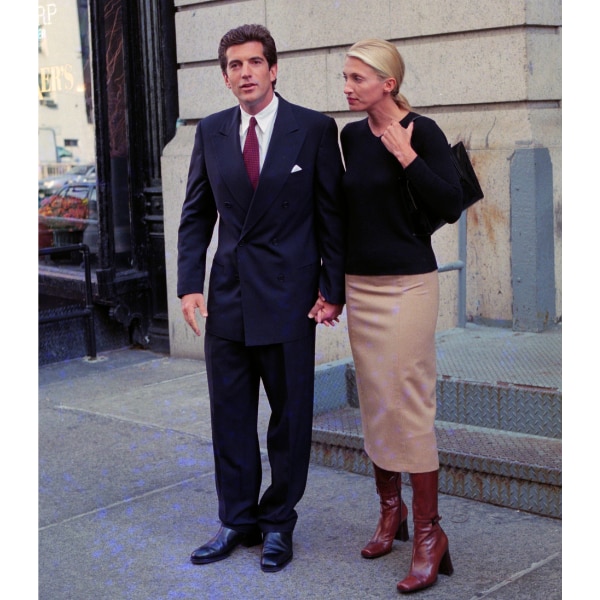
CBK is not just unavailable in the way that a celebrity is unavailable. She is gone. The story is over, sealed, untouchable. There is no Instagram. No candid. No collaboration with a skincare brand. No interview where she says something disappointing. She exists entirely as image, as myth, as the permanent past tense. She never got to tell her own story. And in that silence, we have filled in everything we want to believe.
The desire machine, starved for years by overexposure, finally found something it could run on again: a woman it could never actually reach.
Is Desirability Dead?
This is what the CBK fever is really telling us. Not that we miss the nineties, or that minimalism is back, or even that we want a grand, tragic love story; though sure, we do. It's telling us that a generation raised on fangirling, on loving hard, on the electric charge of wanting something just out of reach, never actually stopped needing that feeling. We just ran out of places to put it.
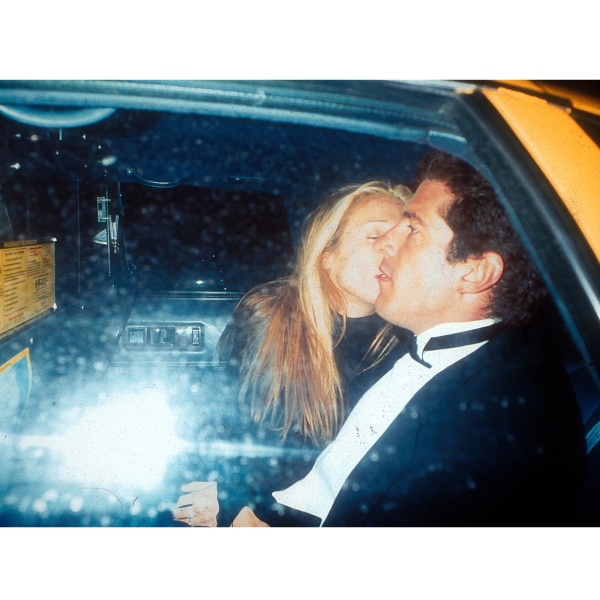
The TikTok girlies romanticising archive footage aren't being frivolous. They are, in their own way, doing exactly what the twelve-year-old with the One Direction poster was doing: using an image to locate themselves. To feel something sharp and real and specifically theirs in a culture that has otherwise made feeling anything deeply seem embarrassing.
The inaccessibility is the point. It always was the point.
So here's the thought: We didn't rediscover desire. We just had to go back far enough in time, to a woman who cannot be Googled for new content. A celebrity who cannot disappoint us, who is frozen perfectly in 1999, only for us to find something worth wanting again.
Which raises the question we don't really want to answer: What does it mean that the only aspiration we have left is one that's already over?
The fangirl is back. But she's standing at a grave, and calling it a mood board.
All images: Getty
Also Read: Are you wearing perfume wrong? The truth about fragrance placement
Also Read: Ensemble’s runway return proves Indian craft is the ultimate form of modern luxury
ADVERTISEMENT
Must Read

ADVERTISEMENT