




ADVERTISEMENT
Inside Grasse, where Chanel grows the flowers behind Chanel N°5
May rose harvest with Chanel reveals the house’s floral soul, emblematic of boundless creation and exceptional craftsmanship.

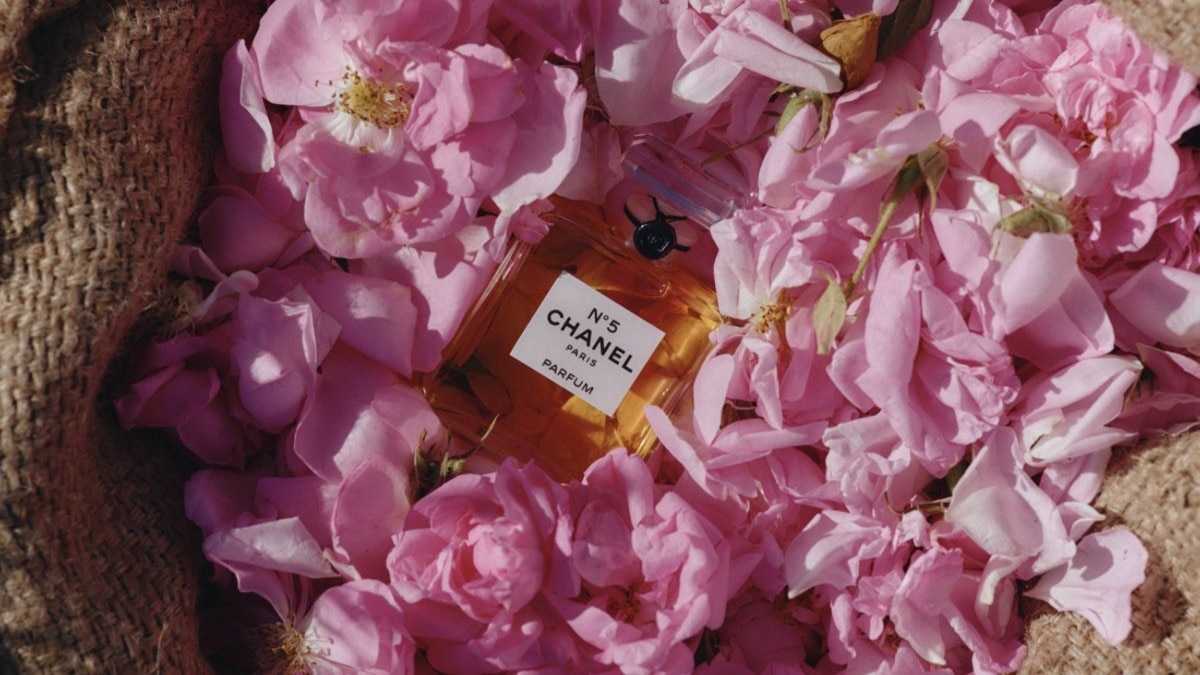
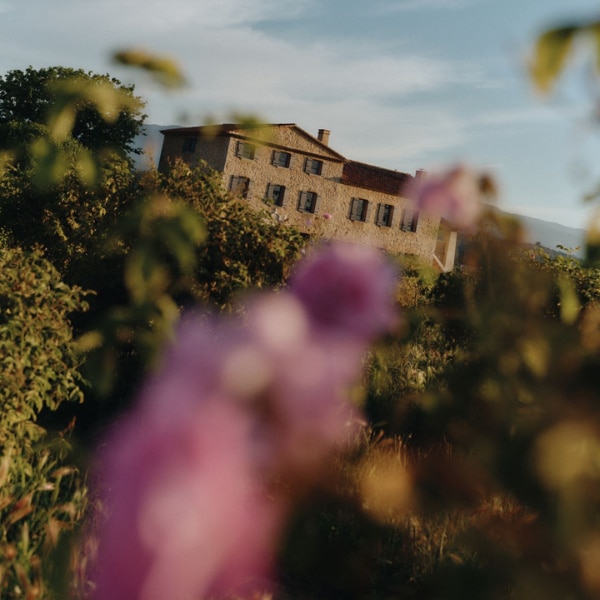
Nothing beats a ‘wake-up-and-smell-the-roses’ mandate from the house of Chanel. It’s 8:30 am, and we reach the legendary Chanel flower fields in Pégomas after a scenic drive through the Provençal landscape. I shouldn’t be called dramatic for referring to the air of Grasse in the south of France as magical. The invigorating air reveals itself in dense fragrances of rose and jasmine, as we board golf carts in groups to head to the bastide—a restored stone house standing at the edge of sprawling fields. It is at these very fields that Chanel grows May rose, jasmine, geranium, iris, and tuberose for its celebrated perfumes.
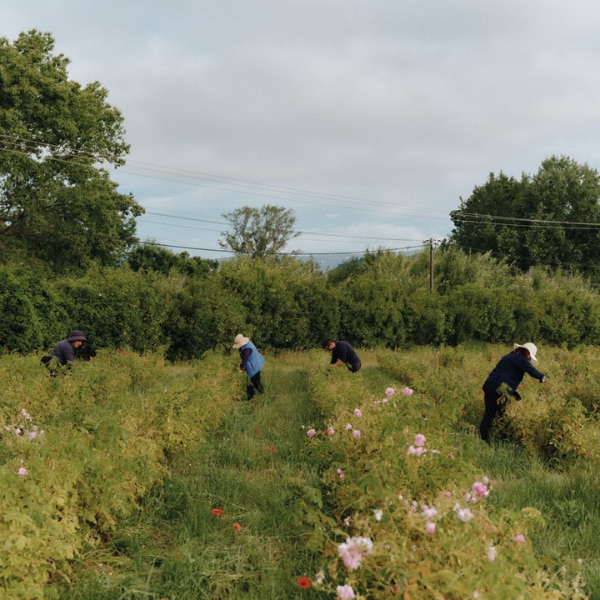
The transportive old-world charm of the bastide embodies traditional elegance and modern iterations of luxury, much like the values cultivated at Chanel. After a quick stop for refreshments, we are offered the choice of field boots with the iconic double C monogram. I opt for deep olive ones and plot ways to sneak away in them (I wish!). We head to the 30-hectare fields where the Mul family has been growing flowers in partnership with the brand since 1987. Fabrice Bianchi, son-in-law of Joseph Mul, takes us on a guided walk through to discover the May rose cultivation process. Rosa centifolia, a variety of rose, is one of the key ingredients in Chanel N°5. Grasse’s microclimate gives the rose a distinct olfactory identity that can’t be replicated elsewhere. The landscape translates into the emotional architecture of the brand’s iconic perfume. Bianchi encourages us to examine the flower and understand the urgency behind its harvest. He informs us that the flowers bloomed three weeks earlier this year, owing to the global climate crisis. Rose harvesting is a race against time; the flowers must be picked and processed quickly to retain their aroma. Harvesters move through the bushes to gently pluck the flowers, protecting the stems and petals. Once their aprons are filled, the flowers are moved to burlap sacks for the next stage.
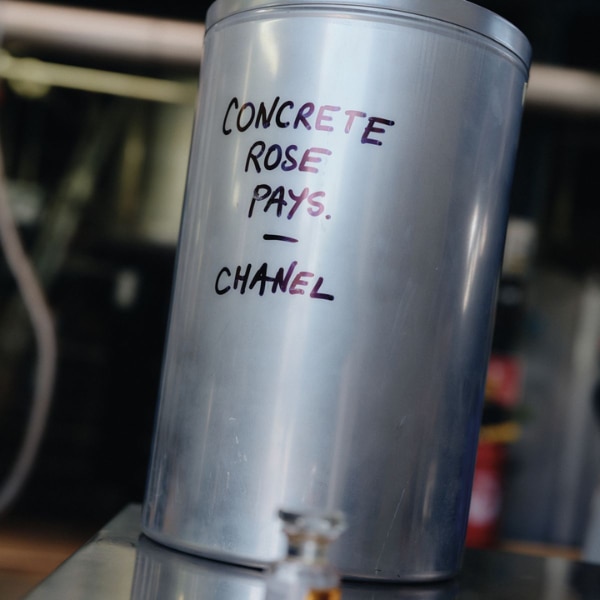
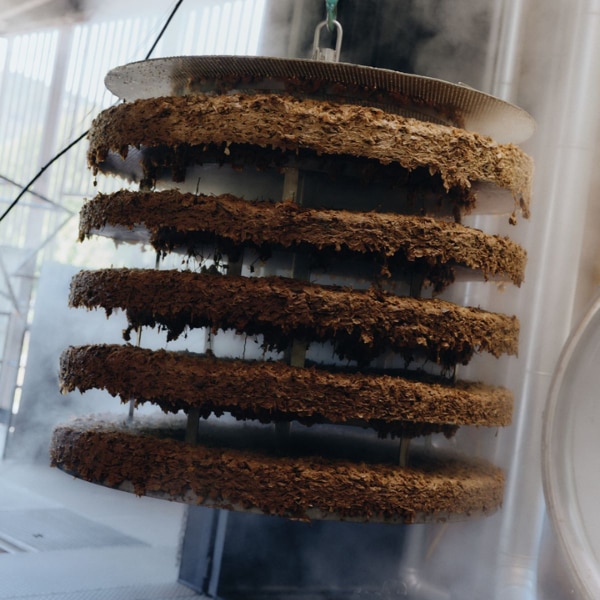
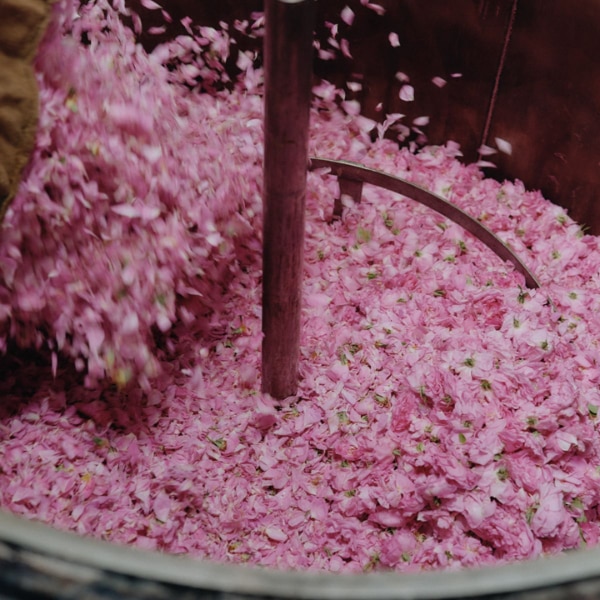
We move to the factory, where the day’s collection is weighed and transferred into giant vats for fragrance extraction. It takes 40kg of roses to produce 1kg of concentrate, we are told. The extraction process employs pressure and volatile solvents for a few hours to produce a wax-like solid called concrete. Buckets of this fudge-coloured concrete are passed around for us to examine. The delicate fragrance of May rose is now encapsulated in concrete, which requires further treatment with alcohol to produce pure fragrance oil or absolute. This is what forms the base of the iconic N°5 and other fragrances from the house.
“And, I would love it if we could find a way for people to rediscover and re-experience the perfume [Chanel N°5].” —Olivier Polge
Next, we head back to the bastide and meet Olivier Polge, Chanel’s in-house perfumer and fourth nose of the brand. He takes us through the various extracts across diverse timelines and shares anecdotes from his observations and experiences during his tenure. Rather fascinated by the story of N°5, he shares, “When Gabrielle Chanel conceived N°5, fashion and perfume were two different worlds. And she’s the one who connected and realised that a perfume could be a way to express the style that she was translating through her fashion. It’s very interesting, because today they seem to be so much connected, but it really originates from her.” Gabrielle delved into the world of perfume and recognised it as a powerful means of communication. She eventually became the first face of N°5. “We, at Chanel, have always paid a lot of attention to renewing the story and the images of N°5. The challenge today, maybe, is coming from the weight of this icon. We have all heard so much about N°5 that maybe we have a preconceived ideas about it. And, I would love it if we could find a way for people to rediscover and re-experience the perfume,” Polge tells me. He believes the fragrance’s signature could be very contemporary. “At times, people tell me there are so many perfumes that smell like N°5. And I think that’s the strength of the perfume—it’s the only abstract perfume that’s mainstream. Interestingly, we have paid so much attention to N°5 that there are no more perfumes unknown,” he laughs. Chanel N°5 is revolutionary for moving beyond single-flower identity but May rose still holds its own in the heady mix. Its enduring appeal lies equal parts in its unique composition, and in the memories and identities people attach to it over time.
Sitting across Polge and surrounded by several bottles of N°5, it feels somewhat surreal. The conversation graduates to the mystery of scents in general. “A scent that doesn’t smell so good on its own could have a great effect in a composition. I feel like every time you take a second whiff, it changes. Sometimes I try a perfume in a store, and when I come home, it’s different. And after six months, it’s completely different,” he adds. Polge explains how the same species of flowers growing in different parts of the country would differ in fragrance depending on varied geographical factors at play, including soil, climate, and terrain.
The memorable day concludes with an intimate lunch on the bastide’s terrace. The moment serves as a reminder that, in a world attuned to instant gratification, the May rose teaches the essence of pausing for reflection. It blooms once a year for three weeks, and each harvest is a result of months of care, observation, and trust bestowed upon nature’s rhythm. For Chanel, it transcends to a symbol of intentionality and reflects a belief that true luxury is not in constant pursuit, but in continued presence.
This article originally appeared in Harper's Bazaar India's June-July 2026 print issue.
All images: Courtesy the brand
Also read: Are you wearing perfume wrong? The truth about fragrance placement
Also read: The new fragrance wardrobe essential: Lotions that extend the life of your scent
ADVERTISEMENT
Must Read





ADVERTISEMENT