




ADVERTISEMENT
How to pair serums and primers for a seamless transition from skincare to makeup
Once relegated to separate worlds, skincare and makeup products are increasingly finding their places on the same shelf. Here’s how to navigate the new generation of hybrid beauty essentials.

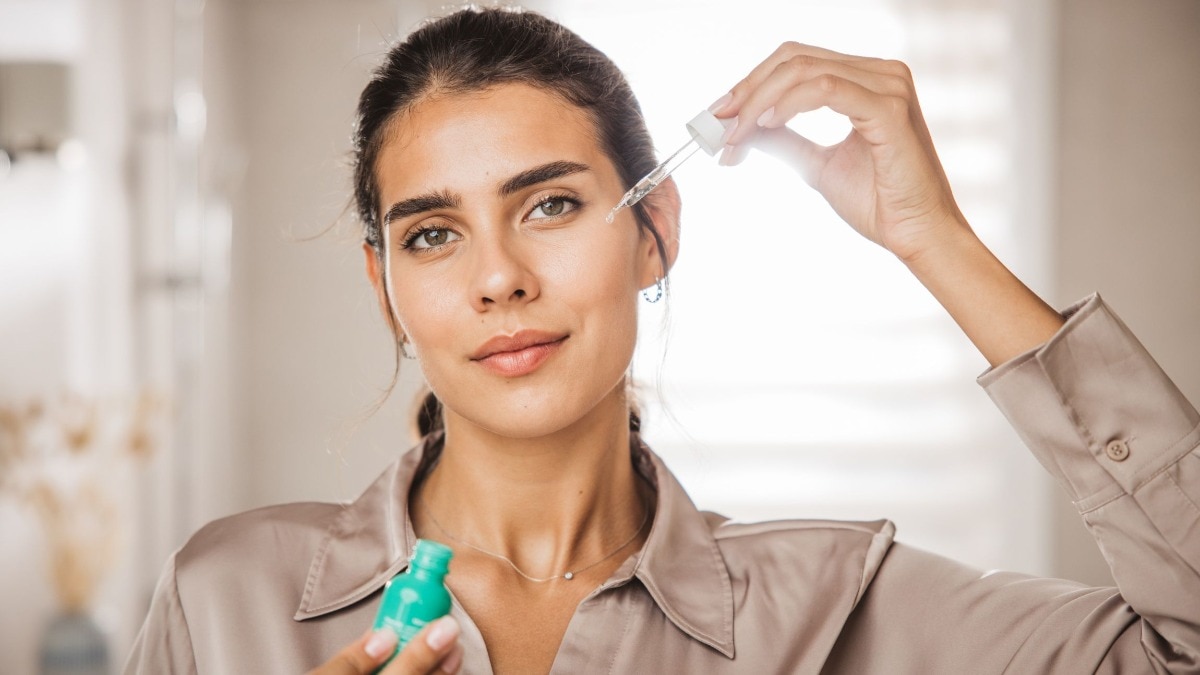
For years, beauty routines existed in carefully defined categories. Skincare prepared the canvas, makeup perfected it, no one questioned it. A serum belonged on the bathroom shelf, a primer lived inside the makeup drawer, and the two rarely crossed paths.
Today, however, the definition of beauty has expanded. It’s no longer a heavy foundation and lines of concealer applied on quickly moisturised skin, and the products are no longer simply about coverage and pigment. Today’s woman is aware of the ingredients in both her skincare and her makeup. She spends time prepping her skin not just with overnight creams or brightening sunscreens, but also with glazing milks, serums, and essences that enhance the complexion before a makeup brush even hovers in the vicinity.
Beauty giants are listening. So, we have foundations infused with skincare ingredients like Vitamin C, primers that promise hydration and barrier support with peptides, and a host of natural, organic ingredients like aloe and rose that are designed to soothe and invigorate the skin through application as much as usage.
Let’s look at the roles of a serum and a primer. The primary function of a serum is to provide a concentrated skincare treatment to penetrate the skin and target specific issues like hydration, ageing, or dullness. A primer, on the other hand, is a makeup prep product that sits on top of the skin to smooth texture, blur pores, and create a base for your foundation to last longer.
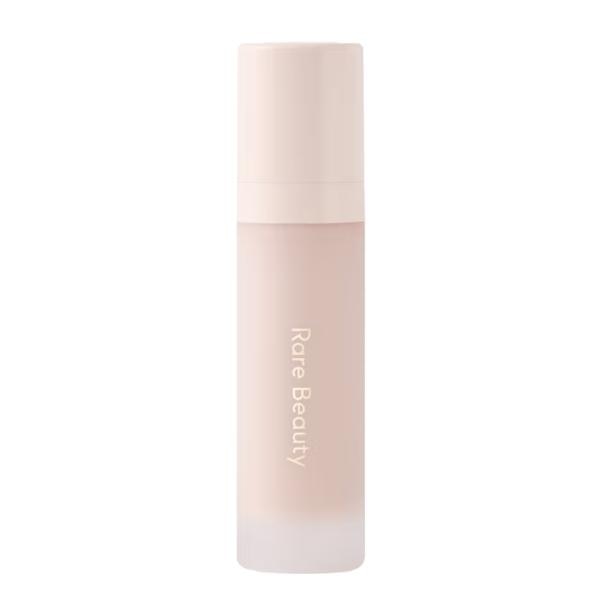
Given the increasing range of skincare-infused products, one of the most interesting beauty questions to have emerged is whether we still need both a serum and a primer. The answer is more nuanced than a simple yes or no. Both products can transform the way your skin looks and feels, but they are also created with different purposes in mind. Understanding their individual roles is the secret to creating a flawless, luminous finish.
The serum: Your skin’s daily treat
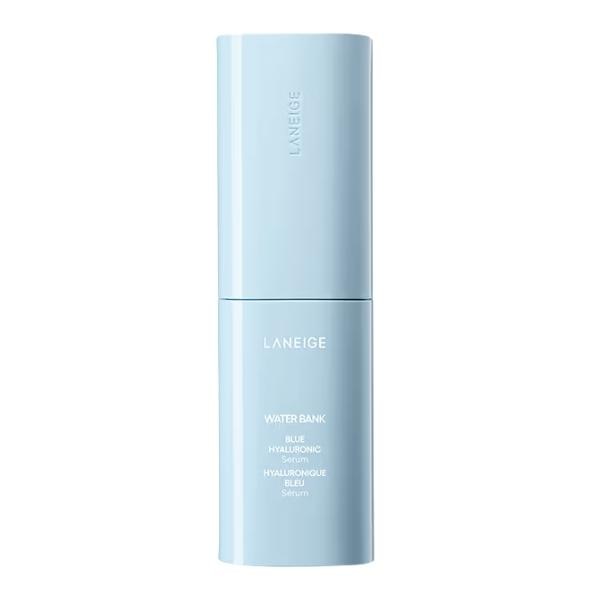
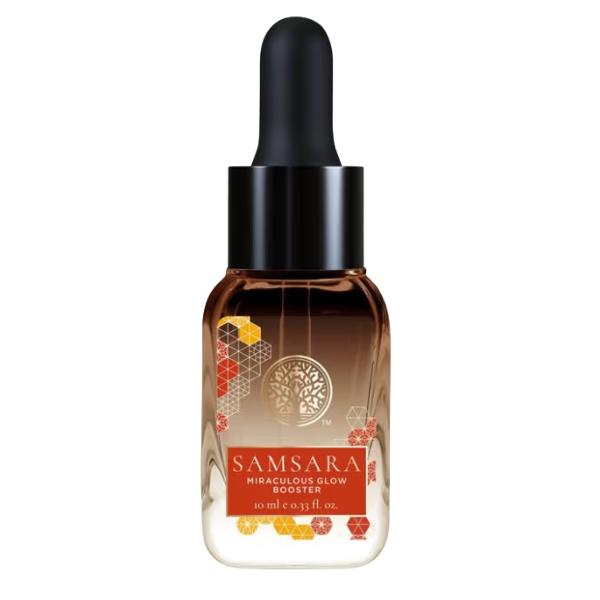
A serum is the foundation of a skincare ritual because its primary purpose is not cosmetic—it is corrective and nourishing. Unlike moisturisers, which focus on hydration and protection, serums are lightweight in texture but designed to be impactful with concentrated active ingredients that gives a range of support, from hydration and brightness to texture and firmness.
Think of a serum as a personal treatment tailored to what your skin needs. A hyaluronic acid serum can help replenish moisture and give skin a plumper appearance. Vitamin C formulas are loved for their brightening properties, and niacinamide can help support the skin barrier. Peptide-based formulations are often chosen for their skin-smoothing benefits.
For beauty lovers, the appeal of a serum lies in the long-term relationship it builds with your skin. It is not there to instantly blur imperfections, rather it works quietly over time to create healthier-looking skin.
The primer: A smooth canvas
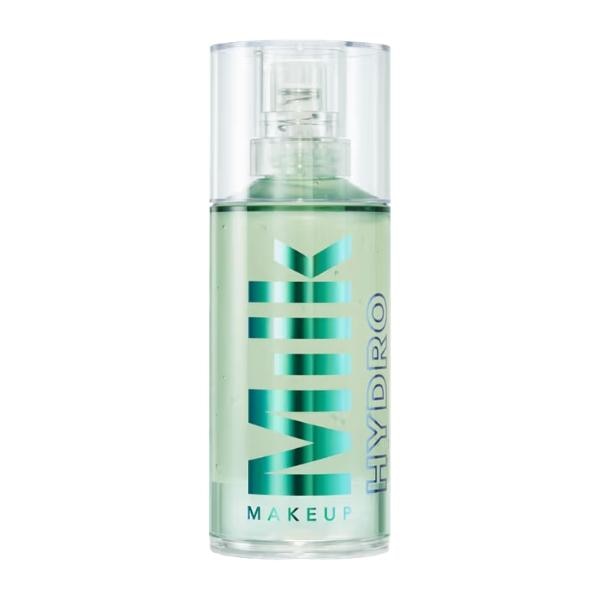
A primer, on the other hand, is created with makeup performance in mind. Its job is to prepare the skin for what comes next: to create a smoother surface that will help with even application of products and extend the longevity of your makeup.
Modern primers have evolved far beyond the silicone-heavy formulas many remember. Today, they come in a variety of textures and finishes, from hydrating and illuminating to mattifying and pore-blurring.
A luminous primer can add a soft-focus glow underneath foundation, a gripping primer can help makeup stay fresh for longer, and a smoothening primer can create a more even base, especially when working with foundations, concealers, or powders.
So, can a serum replace a primer?
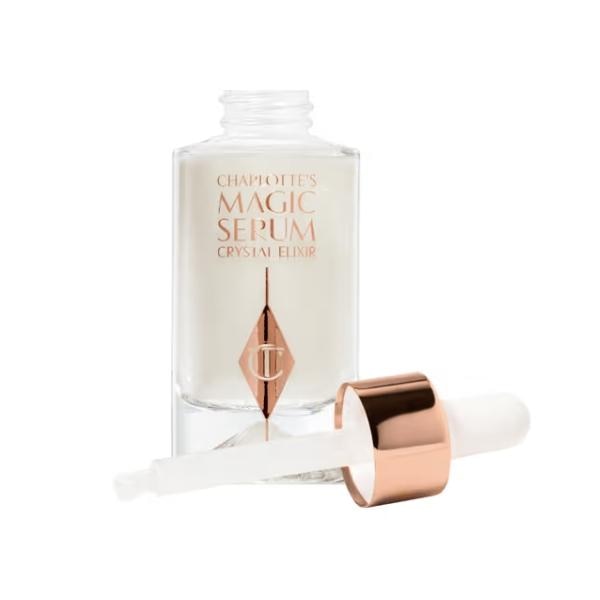
The truth is that it can, sometimes. And it is heavily dependent on your skin type, product formulation, and makeup routine. The rise of skincare-infused makeup has changed the conversation completely. Many makeup products today now include ingredients traditionally associated with skincare: hyaluronic acid, peptides, antioxidants, and botanical extracts.
A hydrating serum, followed by a lightweight foundation or tinted moisturiser with skincare benefits, may be enough for someone who prefers a natural finish. If your makeup style is minimal—think dewy skin, cream blush, a touch of concealer—you may find that your skincare routine already creates the perfect canvas.
But for occasions where longevity matters, such as a wedding, a long day of events, a night out or a climate where humidity is a challenge, a primer still serves an important purpose. It provides that one additional but essential step that helps makeup last longer.
Can one replace the other?

It’s helpful to note that a primer can make skin look smoother instantly, but it is not designed to replace your skincare routine. It would be a better choice to switch out the primer and invest in a serum that truly understands your skin’s needs.
After all, many primers now include impressive ingredients, but their main function remains cosmetic. They create an immediate visual effect rather than delivering the same long-term skincare benefits of a dedicated serum.
Skipping serum occasionally may not change much, but consistently replacing skincare with makeup products means missing out on the deeper benefits your skin needs.
The beauty industry is currently obsessed with one idea: hybrid products. This movement reflects a larger shift towards “skinimalism”—fewer steps, smarter formulas, and products that multitask. Skincare-infused makeup is especially appealing because it fits modern lifestyles. Instead of choosing between beauty and skincare, we get both. But experts often point out that while hybrid formulas are impressive, they should complement and not completely replace the essentials.
The ideal order of application
For the most seamless finish, layering matters. Start with a gentle facial cleanser, followed by your serum. Allow it a few moments to absorb before applying moisturiser if needed.
Then comes primer, the step before makeup. This order allows skincare ingredients to work with the skin while the primer creates the ideal surface for your foundation, concealer, and other products.
The relationship between serum and primer is no longer about choosing one over the other. It is about understanding what each brings to your beauty ritual and choosing the one based on your own personal beauty routine.
Lead image: Getty Images
Also read: The indulgent, brightening under-eye care edit
Also read: Why body yoghurts and body milks are summer’s most refreshing skincare step
ADVERTISEMENT
Must Read








ADVERTISEMENT