




ADVERTISEMENT
Wrong shoe theory is coming for your whole outfit
Copenhagen’s cool girls are wearing a glorious mishmash of styles all at once.

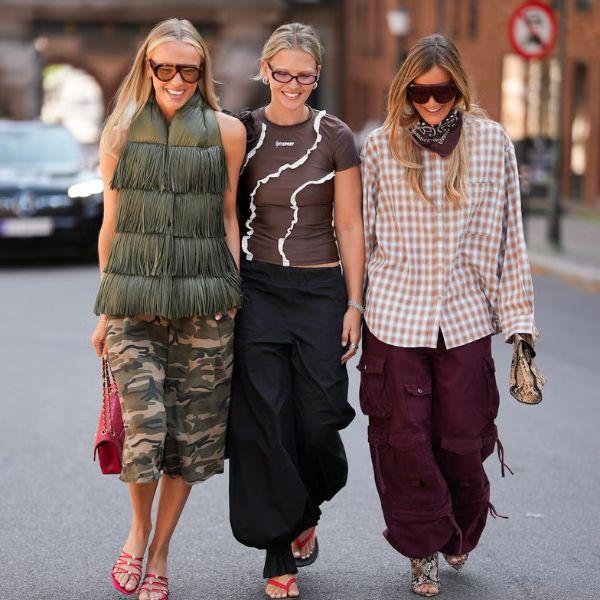
While sitting and waiting for a fashion show to start the other day, I was struck by two women each in their own interpretation of military garb. It was the fashion-ified version, of course, and styled as such. One wore oversized maroon cargo pants with an equally oversized plaid shirt, a silk scarf, and snake-print heels. The other wore a pair of camo-printed sweat shorts, also enormous, falling just below the knee. She paired her shorts with a fringed backless vest, open-toe mules, and a cherry-red Chanel bag. Nothing “went” together. None of it matched or even coordinated. But that seemed to be the point.
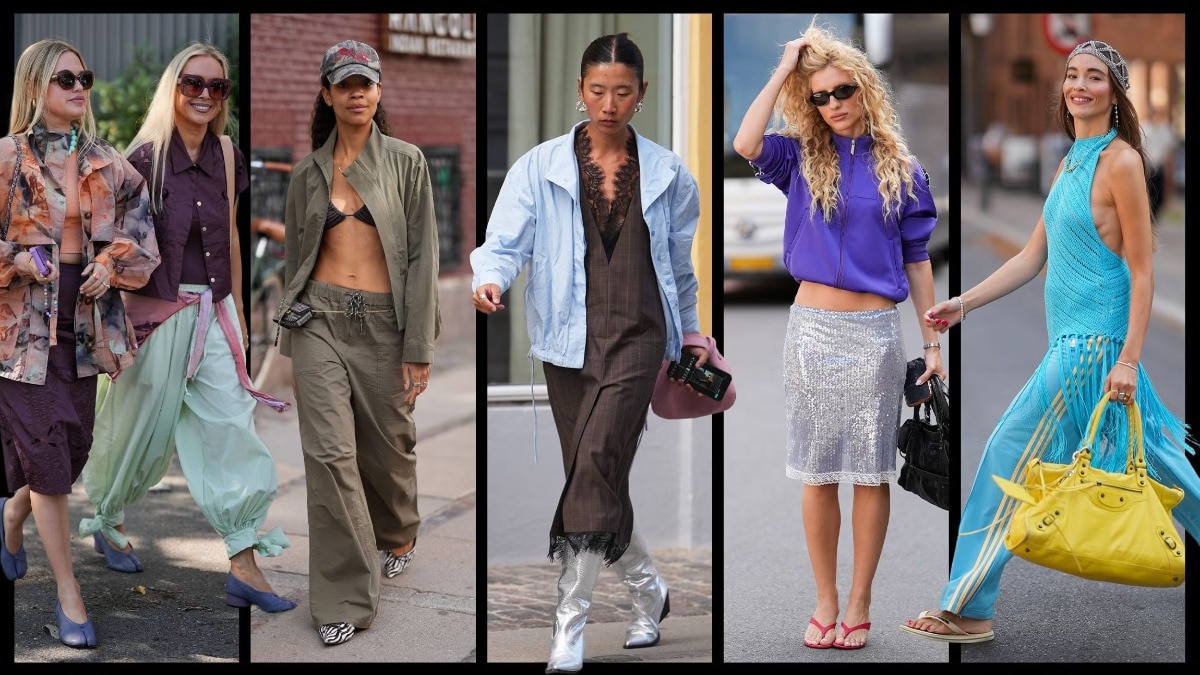
The more I looked around at Copenhagen Fashion Week, the more I realized the only pattern in the styling of outfits was the lack of one. Jelly sandals with pleated trousers. Track pants layered beneath a crochet dress. A windbreaker and a sequin skirt. Bedazzled skullcaps with athletic jerseys. These ensembles took the term juxtaposition, oft overused in the fashion world, to new heights. Instead of the collective embrace of a trend, attendees seem unified in their approach to opposites-attract dressing.
Of course, some form of contrast is the essence of a great outfit, but the complete refusal to coordinate here is incredible. The divergence appears not just in aesthetics but symbolism, too. Showgoers are pairing obviously utilitarian pieces—army surplus garb, hiking shoes, steel-toed boots—with emblems of frivolity like embellished high heels, pillbox hats, and silk evening bags.
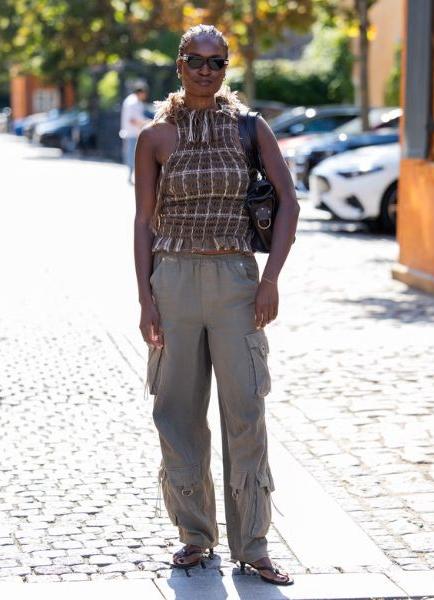
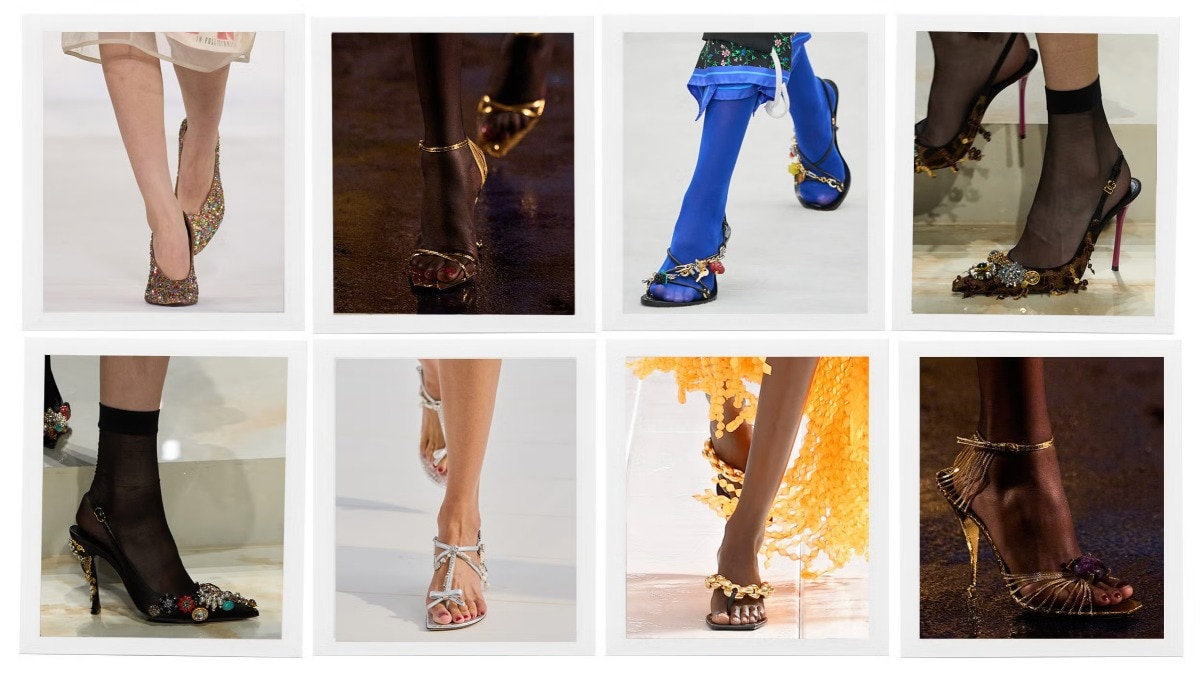
Despite the effect of randomness, there’s careful execution behind these outfits. A few years ago, the stylist Allison Bornstein began promoting a similar approach to contrast in footwear, which she coined Wrong Shoe Theory. Her school of thought dictates that your footwear should clash with the rest of the outfit. Think dad sneakers with poofy dresses or ladylike heels with denim shorts and a blazer. But this sort of opposition dressing applies that school of thought in totality.
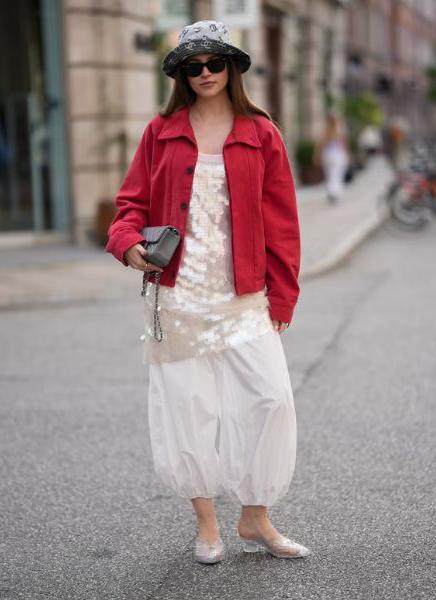
It makes sense here; Copenhagen Fashion Week is a breeding ground for microtrends. Scrunchies, flip-flops, colourful knits, prairie dresses, track shorts, barrettes, puffed sleeves, and more each originated, or at least found ubiquity, in the city’s street style photos. Today’s showgoers beg the question: What if you wore all of them all at once? And they’re celebrated for it; photos of these colourful, unexpected looks perform well on Instagram and TikTok—often a more important audience than IRL colleagues.
Today’s algorithm-fueled fashion industry values personal style, or at least the appearance of it, above all else. We’re witnessing the dissolution of tribalism in fashion. The scene outside the shows used to section off into camps of like-minded dressers: Armani-style casual tailoring in one area, Rick Owens goth in another. You could be polished and prim or undone and relaxed. Now, a good outfit can—and should—pull from each of these camps.
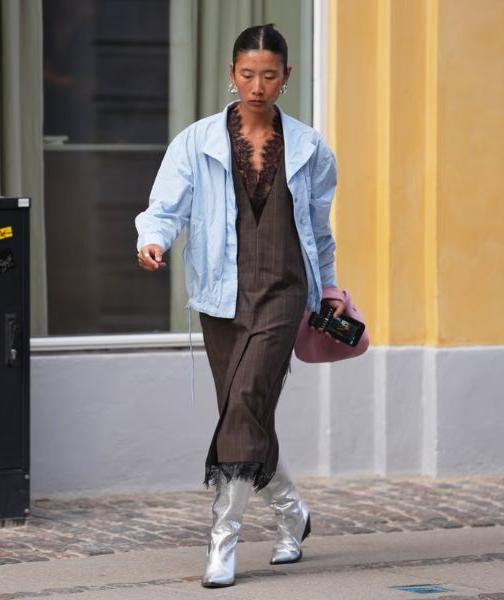
Perhaps this approach to getting dressed (can we call it “opposition dressing”?) is the product of a more democratic fashion system. Shoppers have more access than ever before. High-low dressing is acceptable, if not encouraged. But more importantly, in this age of algorithm-spawned sameness, everyone wants to convey that they are varied, complex individuals. And they do so with their varied, complex outfits.
This article officially appeared on harperbazaar.com
Image credits: Getty Images
Also read: From desk to dinner, these draped tops do all the styling for you
Also read: 8 of the best Scandi trends to wear now until next summer, from leopard print to lace
ADVERTISEMENT
Must Read





ADVERTISEMENT