




ADVERTISEMENT
Why Biarritz was the perfect setting for Matthieu Blazy's first Chanel Cruise collection
It is poetic that Matthieu Blazy begins his Cruise story exactly where Gabrielle Chanel started hers.

Two friends who grew up in fashion board a show. It sounds impossibly glamorous, almost cinematic. Two girls who, in their own little ways, have built careers in an industry they once only admired from afar, now living dreams that millions aspire to. Reality, however, has a wonderful way of keeping fashion humble. We boarded the wrong compartment. Thankfully, the right train.
Until the Chanel Cruise invitation landed in my inbox, I couldn’t have confidently pointed to Biarritz on a map. Perched on France’s Basque coast, brushing up against Spain, it is a town that wears its glamour lightly. Surfers chase Atlantic waves, families wander the promenade, and the rhythm of life feels worlds away from the theatricality of Paris Fashion Week.
Yet this is where Gabrielle Chanel quietly changed fashion forever.
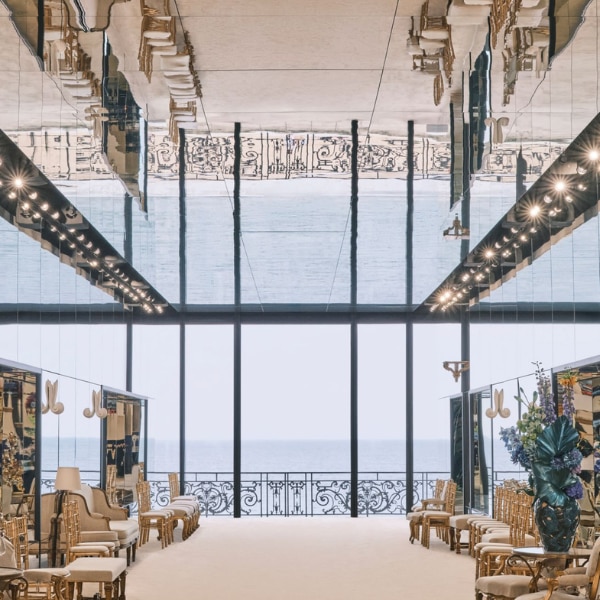
In 1915, she established her first couture House in Biarritz, bringing together her boutique, ateliers, and salons under one roof. Long before Rue Cambon became mythology, there was this windswept corner of France, where Chanel refined an entirely different idea of luxury. One rooted not in excess, but in freedom. Clothes that belonged outdoors. Clothes that moved. Clothes that allowed women to occupy space differently. It felt quietly poetic that Matthieu Blazy chose to begin his Cruise story exactly where Gabrielle Chanel started hers.
For three days, Chanel reminded us that few Houses understand hospitality quite like they do. There was a private visit to the Guggenheim in Bilbao, and evenings that ended beneath the stars as A$AP Rocky performed, while Nicole Kidman and Tilda Swinton drifted effortlessly through the crowd. There is a confidence to Chanel’s hospitality that mirrors its fashion. Nothing is loud, yet every detail leaves an impression. Even watching Leena Nair greet guests by name says something about the culture of the House.
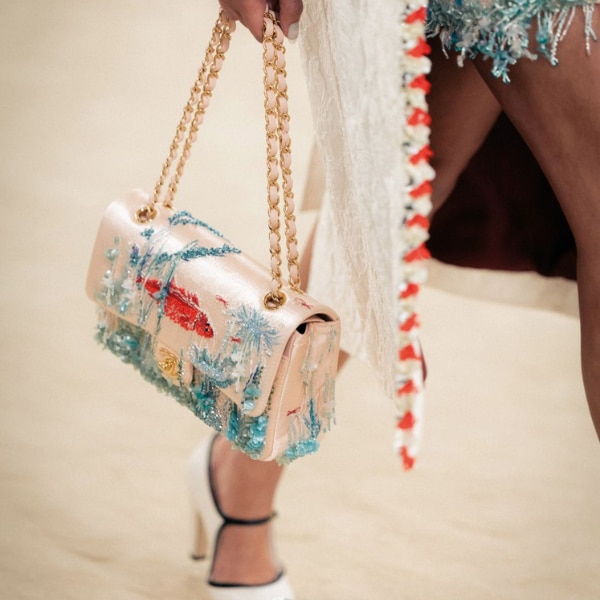
Fashion loves dramatic reinventions. New creative directors are expected to arrive with manifestos, erase what came before, and announce themselves with unmistakable signatures. Matthieu Blazy appears refreshingly uninterested in any of that. Instead, he is doing something considerably harder.
Rather than imposing himself on Chanel, he seems to be uncovering the ideas that were always there, gently brushing away the dust and asking what they might look like today, all while quietly preserving the distinct design language that has made his own work so compelling. It is restraint masquerading as confidence.
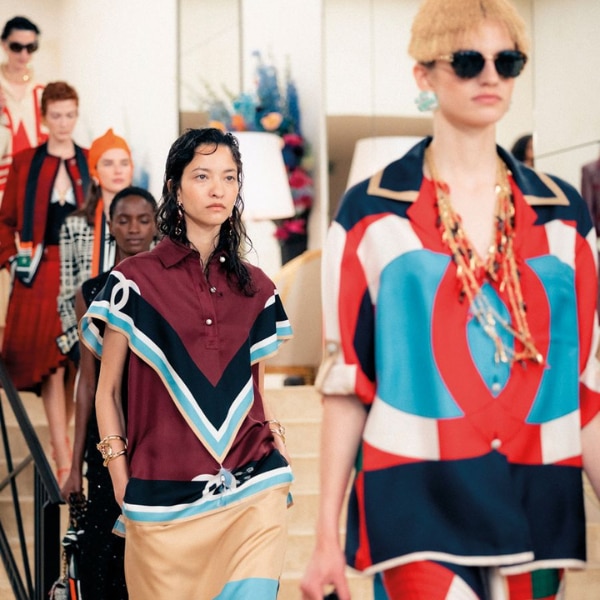
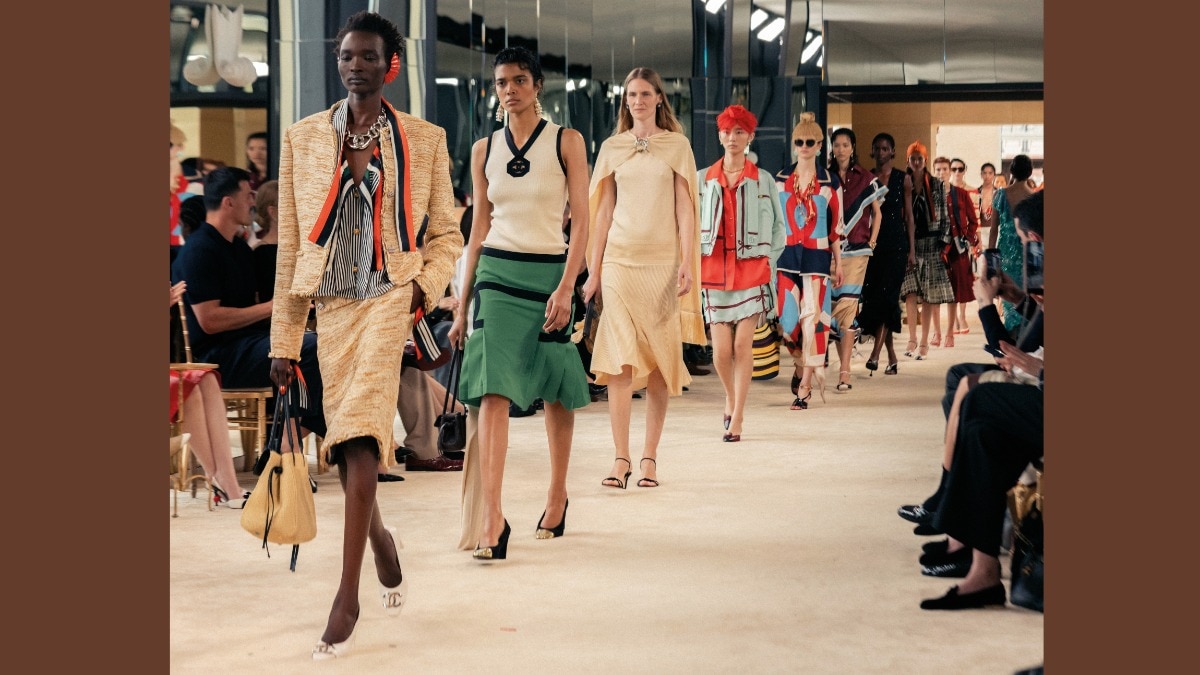
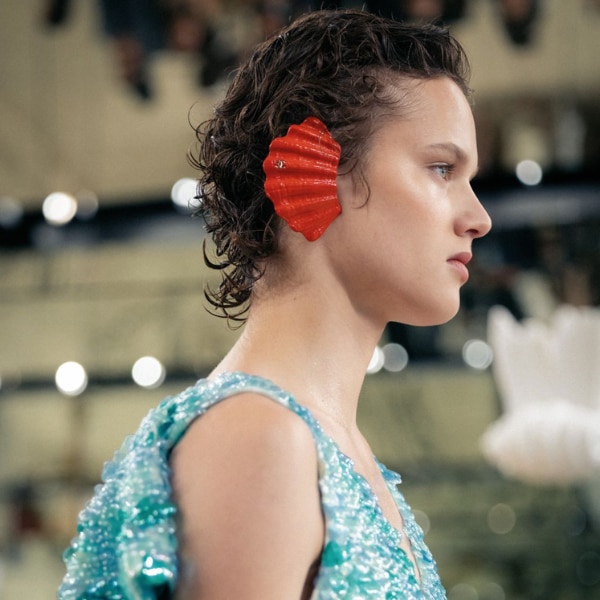
Cruise felt less like a nostalgic tribute and more like an exploration of ease. There were echoes of sailors and seaside dressing without slipping into costume. Tailoring carried the softness of clothes that had already lived a life. Utility jackets were cut with precision but never severity. Knitwear seemed designed to catch the sea breeze rather than command attention. Raffia, washed cotton, supple leather, and delicate embellishment existed in quiet conversation instead of competing for it.
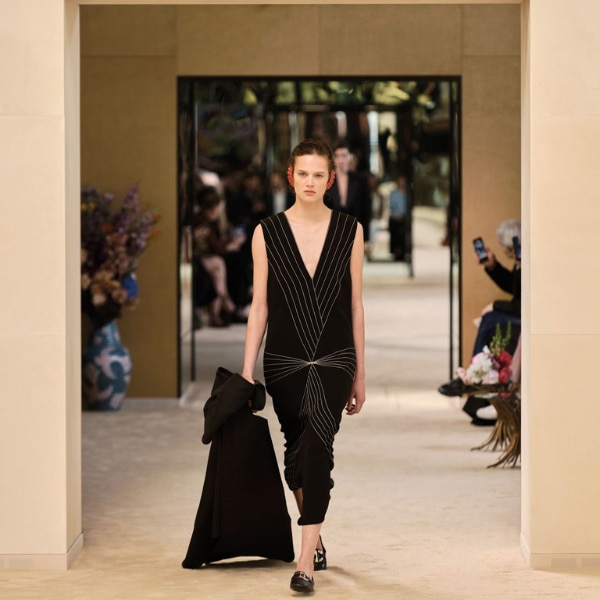
The collection never chased spectacle. It pursued instinct. That, perhaps, is Blazy’s greatest strength. He understands that Chanel has never really been about decoration. It has always been about attitude.
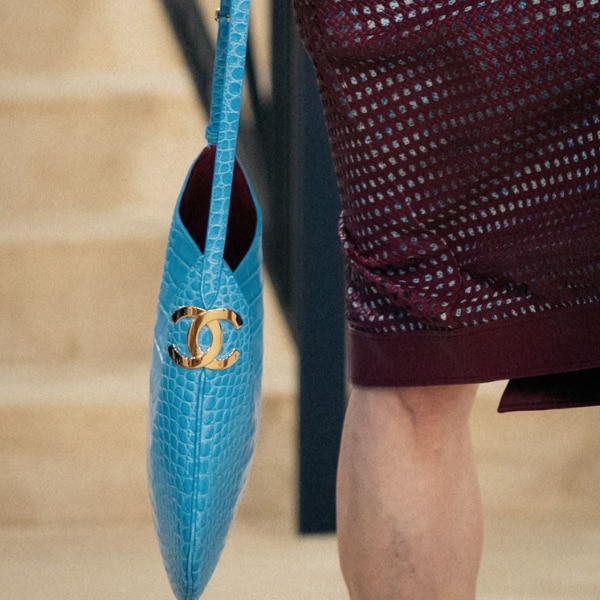
Even the accessories reflected that thinking. The tiny ballerina charms attached to quilted bags, first seen with A$AP Rocky, possessed the sort of playful irreverence that collectors instantly recognise. They’ll almost certainly disappear into waiting lists before they ever reach the boutique floor. The waterproof interpretations of the iconic flap bag suggested that even the House’s most recognisable symbols can evolve without losing their soul. And those wonderfully divisive hybrid shoes, not quite heels, not quite sandals, felt destined to become one of those Chanel pieces that everyone questions before quietly deciding they cannot live without.
My own weakness, however, was the utility dressing. There was something deeply modern about its honesty. Fashion often mistakes complication for innovation, but these pieces achieved something rarer. They looked luxurious because they looked useful. They belonged in wardrobes rather than archives. They reminded me that the most desirable clothes are rarely the ones asking for attention; they are the ones you instinctively reach for every morning. There is a temptation, particularly in a designer’s first chapter, to ask whether they have found their voice. I suspect that is the wrong question.
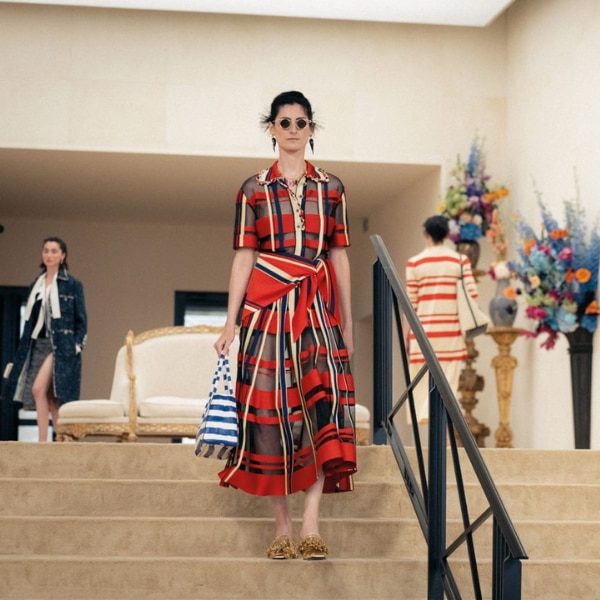
The more interesting one is whether the House still sounds like itself.
"Cruise felt less like a nostalgic tribute and more like an exploration of ease."
Leaving Biarritz, I found myself thinking less about the celebrity dinners or the collector’s accessories, and more about how fitting it all felt. More than a century after Gabrielle Chanel chose this little corner of France to begin her couture story, the House returned not to recreate history, but to remind us why it mattered in the first place.
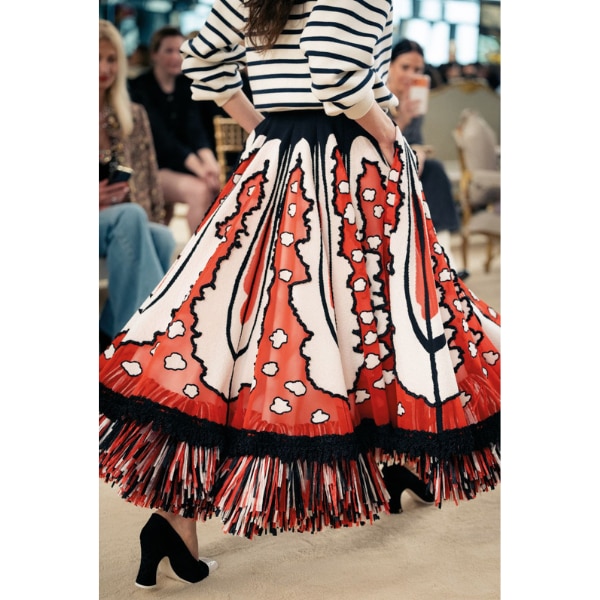

As for us, we boarded the train home from Biarritz in the right compartment this time. Perhaps that felt symbolic too. Sometimes the best journeys don’t begin exactly as planned. But if you end up exactly where you’re meant to be, perhaps the wrong compartment was simply part of the story.
This article originally appeared in Harper's Bazaar India's June-July 2026 print issue.
Lead image: Models in Chanel Cruise collection
All images: The brand
Also read: The beauty trends from S/S 2026 you'll be seeing everywhere soon
Also read: From Satya Paul to Chanel, the fashion world’s latest moves and milestones
ADVERTISEMENT
Must Read

ADVERTISEMENT