The creator economy was a pandemic baby, but it continues to grow
Onwards and upwards perhaps?

We must apologise in advance, but give us the benefit of doubt. Imagine this: It's March 2020, a world-wide lockdown has been imposed. Slowly and steadily, the virtual world expands into the various facets of our lives. It starts with banana bread recipes, goes to trendy songs and Dalgona coffee reels. Before we know it, we’re all dancing to Jason Derulo’s Savage Love and our days are whiled away consuming content across many social media platforms. It was during this time that the phenomenon known as the creator economy was born. Yes, the creator economy was a pandemic baby, and it’s only grown (tremendously) since.
But, let’s break it down. What is the creator economy? What does it entail? Who is a part of it? We got experts and content creators themselves to give you the download.
Defining the term
There are millions of people across the globe who have been using the Internet and its various arenas to create content. Simultaneously, there are consumers for all such content. And this presented a unique economic opportunity. Editor and entrepreneur, Rajat Dangi writes about how, “The popular, unique, and skilled content creators use the Internet to make money. They monetise their audience and skills through various methods. The keyword “Creator Economy” was coined by VCs to name this thesis.” From video streamers, bloggers, artists and musicians, to writers and online educators, these creators began monetising their skills and content for their audience through influencer marketing. People like to buy products from the Internet and they prefer authenticity over advertisements. Which gave rise to the influencer marketing, making it a $10 billion+ industry in 2021,” writes Dangi. In fact, in India alone, the influencer marketing industry is valued at over ₹1300 crores, which is only a part of the larger creator economy.
Group CEO and founder of the Collective Artists Network (a digital talent management agency), Vijay Subramaniam explains further: “During the pandemic, the creator economy took a significant upturn. The pandemic changed the rules of engagement in traditional advertising at a faster pace than it was changing pre-pandemic. Today the creator economy is not just a feel-good, it is a must-have. We believe that the creator economy is a marriage between commerce, content, and advertising, with all of them coming together in various domains. The 360 degree of the creator economy still needs to be proven. But, in the context of influencer marketing, we have seen unprecedented growth and we will continue to see so.”
Impact on the larger economy
As of 2022, Influencer marketing and the larger creator economy (which includes digital-based startups) has generated over seven lakh jobs and has made a contribution of over ₹6800 crores to the nation’s GDP. Clearly, content creation is not just a passion project and has large implications on the country’s economy. According to Subramaniam, “We do not look at the creator business as a brand and advertising business alone. We look at it as something that's going to add significant value to the nation's economy over the course of the next few years. The creator economy will have a very significant role to play in employment. Today, what we are effectively saying is that you might be in a position where all you need to make money in life is to have a smartphone with you. Also, the beauty of the creator economy is that it sits on top of existing advertising and commerce businesses. It adds a layer on top that does not and will not be cannibalising any part of the existing businesses.”
The download on commercial collaborations
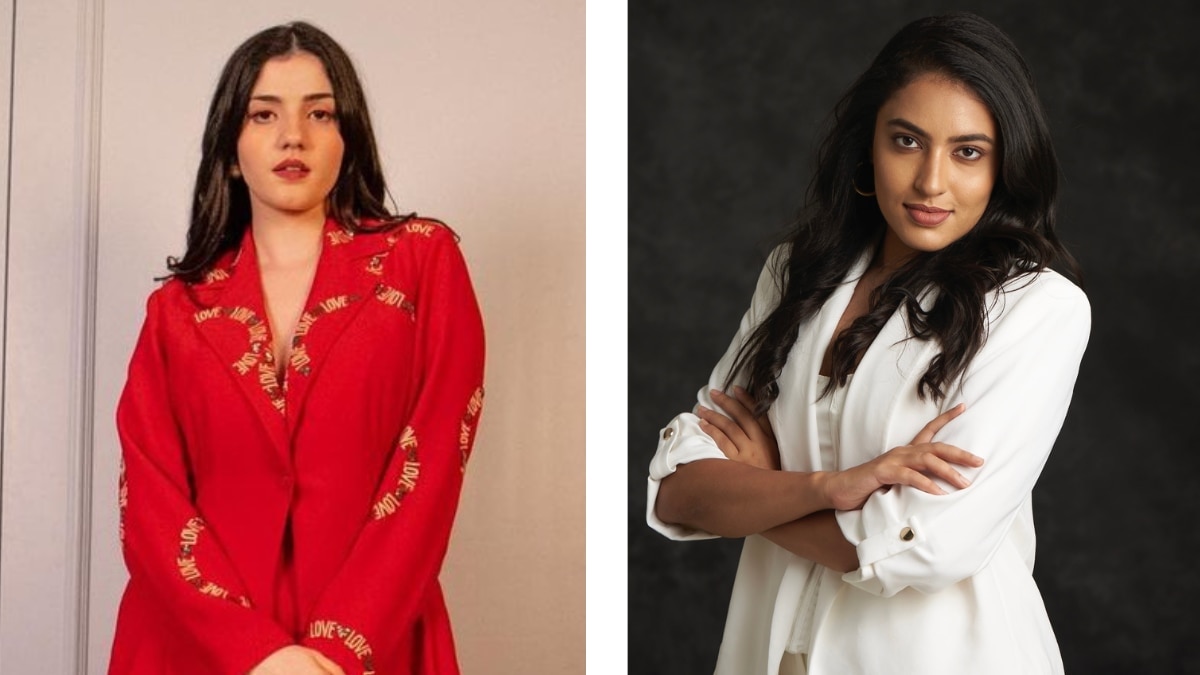
Influencer marketing is primarily driven by commercial collaborations through the content created by the digital creators. Have you seen those little texts on a post that say ‘Paid Partnerships’ or #Ad? Well, here’s the download on commercial collaboration told to us by digital creators themselves. How do these collaborations take place? What is the criteria? “I collaborate with brands who help me bring out something new in my videos or whose products I believe in,” says Leisha Patidar, a GenZ digital content creator. “Without a question, the most significant and irrefutable aspect is trust. I will never advocate for a company that I don't believe in. Second, I wouldn't ask my audience to pay for something that I wouldn't pay for personally. When these two boxes are checked, the third one—money—comes into play because, to me, brand collaborations are business endeavours, and businesses cannot ignore their financial needs,” says finance content creator, Shreya Jaiswal.
Challenges, competition and staying relevant
According to a report by Kalaari Capital, a Bengaluru-based venture capital firm, nearly 450 million Indians use social media, of which 80 million identify as content creators. And the number is expected to grow to a hundred million very soon. Digital creator Muskan Chanchlani says, “I think the biggest challenge we face is saturation. There’s an over-abundance of content and it gets difficult for people to understand that 2 people can have the same idea but whoever does it first, the other gets accused of plagiarism.” The creator economy has been booming for quite some time now—from influencers collaborating with brands in their own authentic way, 30-second informative reels about legal matters, finance, and more.
It is unsurprising therefore that staying relevant can often be a challenge among several others. We spoke to content creators across genres, from financial literacy, to lifestyle and fashion to understand the nitty-gritties of being an integral part of the sector. We asked finance content creator and chartered accountant, Twinkle Jain, about some of the challenges she has faced on her content creation journey and here’s what she said, “With a plethora of talented creators on the platform, consumers have a lot of options, therefore, to grab their attention and make them engage is a piece of work. So, showing your authentic self is the only way to stay relevant in the creator economy because people often connect with a creator’s personality.”
“To stay relevant in a booming creator economy, creators need to be adaptable and stay on top of industry trends. This includes being active on social media, engaging with followers, creating high-quality content, and collaborating with other creators and brands. Additionally, creators need to be authentic and genuine in their content, building a connection with their audience based on trust and transparency. One major factor coming into to play this year personally this for me will be a building a solid & extensive community,” digital creator, Aastha Shah adds.
“Monetisation is still a big concern for creators more so because a lot of them still do not know how to negotiate with brands. Another aspect is figuring out different ways of monetising your content- affiliate marketing, launching your own line of products, merchandise selling, launching courses and workshops, doing speaking engagements, ad shoots and more,” says entrepreneur and digital content creator, Deepak Pareek.
Where is the creator economy headed?
Well, for now, it appears as if the creator economy is on an only-upward trajectory. As per a report by GroupM, a media investment company, the creator economy is expected to grow by 25% in the next five years. “I think the creator economy is here to stay for a long time, and it will be more than just creating videos for the internet,” says Patidar. “Platforms are also evolving to better support creators, with new features and monetisation options being introduced regularly,” add Shah. Of course, low phases are inevitable, but we’re eager to see how the sector evolves.