




ADVERTISEMENT
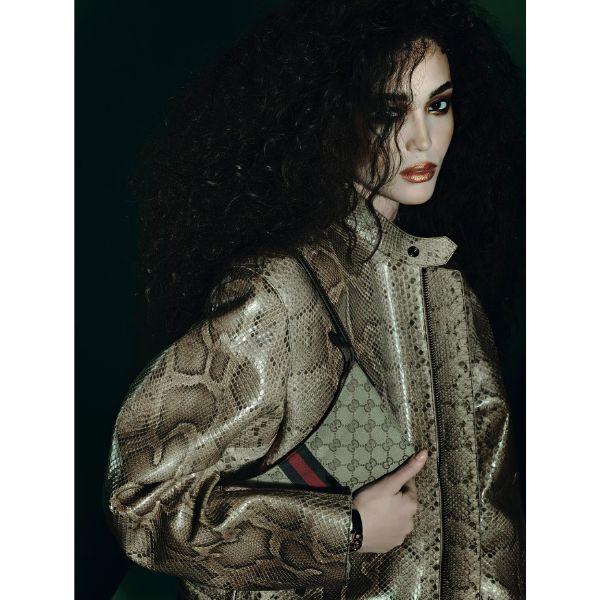
Generation Gucci: Demna reimagines the House’s iconic codes for a new generation
Through archetypes, archives, and a new generation of muses, Demna continues to explore what it means to be Gucci.

Luxury fashion is never built on just clothes, but personalities—women and men who embody a house so completely that they become inseparable from it. Throughout its history, Gucci
has returned repeatedly to the idea of identity, using fashion to construct personalities as much as wardrobes. From the jet-set glamour of the 1970s to the unapologetic sensuality of the Tom Ford years, Gucci has never simply sold fashion; it has sold a way of being.
That fascination with identity continues in Generation Gucci, Demna’s latest offering for the House. Directed by Jonathan Glazer, the campaign unfolds within the cinematic setting of a roadside motel, where a cast led by Mariacarla Boscono and Alex Consani drifts beneath a shifting spotlight. Their paths intersect without fully converging, creating a narrative that feels suspended between reality and dream. More than a campaign, it reads as a study of contemporary Gucci archetypes—individuals connected less by circumstance than by attitude.
The collection continues that conversation. Photographed by Demna through an 84-image near- lookbook, it moves between different chapters of Gucci’s history while resisting nostalgia. Equestrian-print silk ensembles inspired by archival scarves sit alongside sharply tailored two-piece suits, supple leather separates, and streamlined silhouettes. The wardrobe feels deliberately untethered from a single decade. The relaxed glamour of the 1970s meets the sleek confidence of the 1990s, creating a visual language that feels familiar without becoming retrospective.
As the collection shifts into evening, the mood becomes more intimate. Underwear-inspired garments are layered with silk blousons, while fluid jersey gowns and lightweight chiffon introduce movement and ease. Streamlined loafers borrow the lightness of dancing shoes, whileValigeria-inspired ballerinas—now offered in men’s sizes—quietly challenge traditional ideas of footwear.
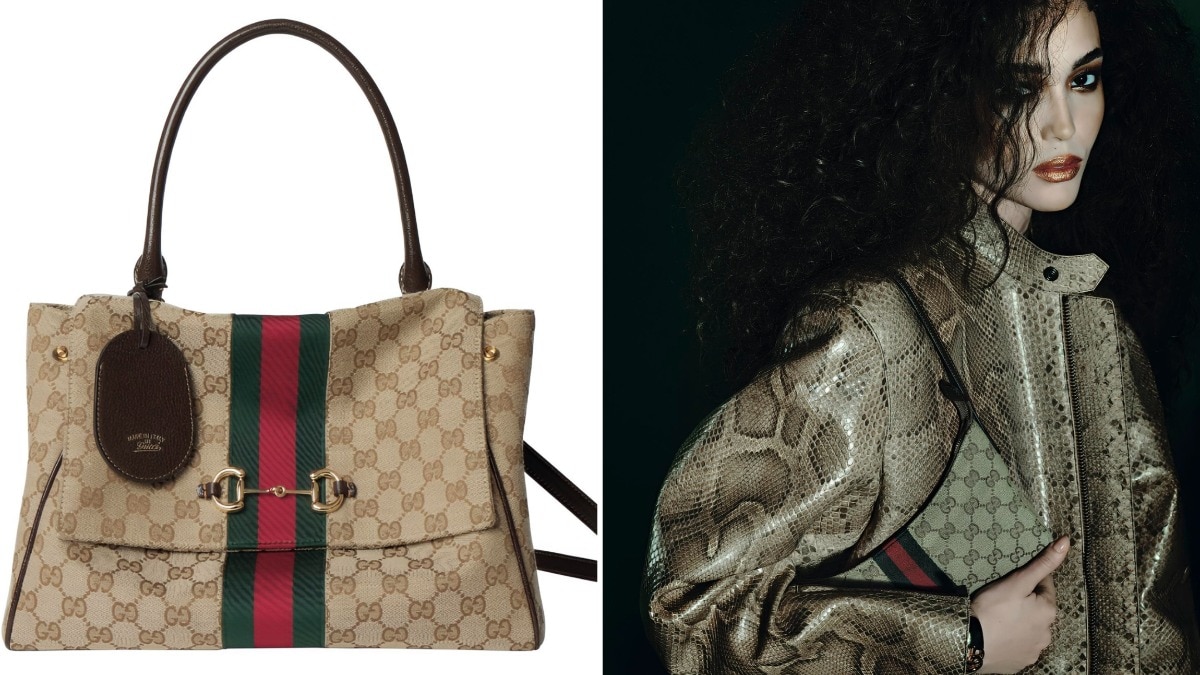
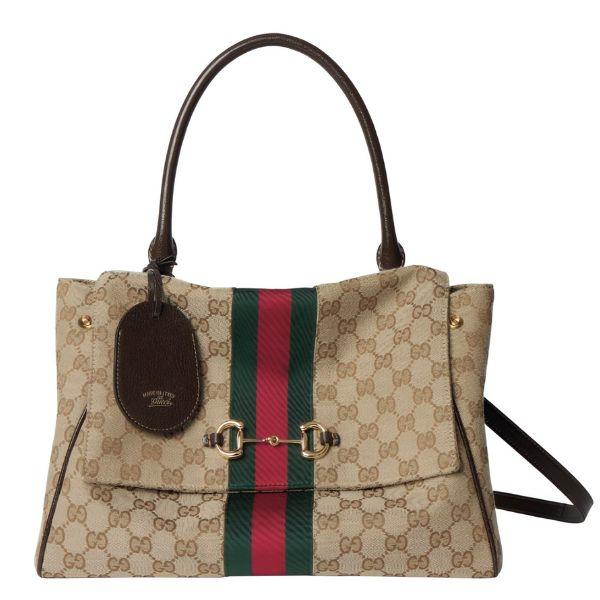
Accessories provide the clearest expression of Gucci’s identity. The Jackie 1961 returns in updated proportions, while the Dionysus adopts a sharper silhouette. The newly introduced Paparazzo bag, combining the iconic Web stripe and Horsebit hardware, distils some of the House’s most recognisable codes into a single object.
Perhaps that is what Generation Gucci ultimately proposes. Not a new character, but an evolving cast—each connected by a shared understanding of what makes Gucci unmistakably Gucci.
Images: Courtesy the brand
This article originally appeared in Harper's Bazaar India's June-July 2026 print issue.
Also read: The denim jacket never goes out of style—here’s proof
Also read: Gucci celebrates 60 years of Flora with a summer takeover in Monaco
ADVERTISEMENT
Must Read

ADVERTISEMENT