




ADVERTISEMENT
In a world that never logs off, why does disappearing feel revolutionary
Constant connectivity has become the norm, but perhaps the greatest modern luxury is learning to be unavailable.

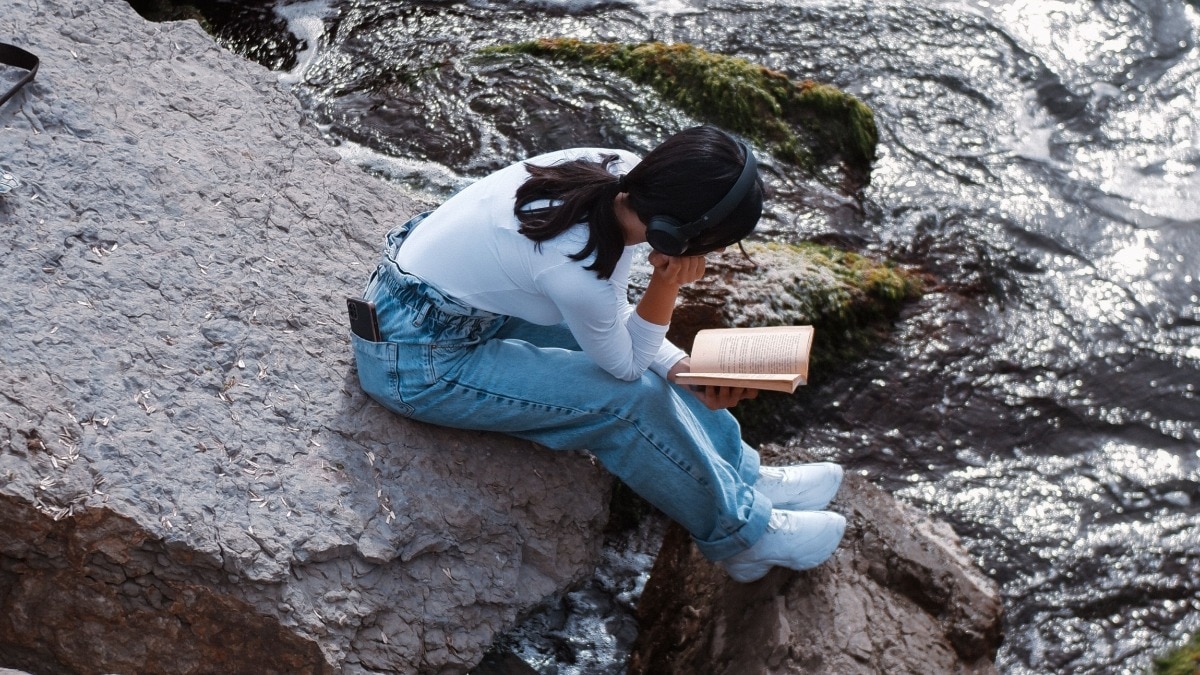
We aren’t as tired of our phones as we are tired of being reachable. There is subtle exhaustion that comes from always being one notification away from someone else’s expectations, one tap away from documenting a moment before we have fully lived it.
For years, we have been told that luxury is about having more—more access, more convenience, more connectivity—faster internet. Smarter devices. The ability to answer an email from an airport lounge or upload a sunset before the sky has even turned dark. Somewhere along the way, being constantly available became synonymous with being successful, productive, even loved.
But lately, another kind of luxury has begun to emerge. It cannot be bought, subscribed to, or delivered overnight. It is quieter than that. It looks like a phone left face down on a café table. A walk without headphones. A weekend where nobody knows exactly where you are. It is the rare feeling of existing without immediately translating the moment into content.
Perhaps that is why disappearing has started to feel almost rebellious.
Not disappearing in the dramatic sense and not deleting every social media account overnight or retreating to a cabin in the mountains. Rather, disappearing in small, deliberate ways and choosing not to answer immediately and leaving the camera in your bag. Going somewhere simply because you want to experience it, not because it photographs well.
There was a time when privacy was ordinary. Now it feels aspirational.
Our lives have slowly become performances made up of tiny, almost invisible habits. We instinctively reach for our phones before the food arrives. We interrupt conversations to capture them. We begin thinking about captions while the memory is still unfolding. Even happiness can feel incomplete until it has been acknowledged online.
The irony is that documenting everything often prevents us from fully inhabiting anything.
There is a strange comfort in believing that if we post a memory, it somehow becomes more real. But some of the moments that stay with us the longest are precisely the ones that never made it onto a feed. The conversations stretched for hours. The holidays where nobody cared about Wi-Fi. The evenings that exist only in our own recollection.
Those memories belong entirely to us.
This shift feels particularly significant for Gen Z, a generation that has grown up without ever really knowing what life looked like before permanent connectivity. We learnt to curate ourselves almost as soon as we learnt to express ourselves. Every milestone came with an audience. Every opinion carried the possibility of immediate feedback. Every silence felt as though it needed explaining.
Being visible became second nature. And yet visibility is exhausting.
It asks us to produce versions of ourselves that other people can consume constantly. Not necessarily dishonest versions, but edited ones. We crop, filter, caption, and refine until our lives begin to resemble carefully managed mood boards instead of lived experiences. We become archivists of our own existence before we have had the chance to exist within it simply.
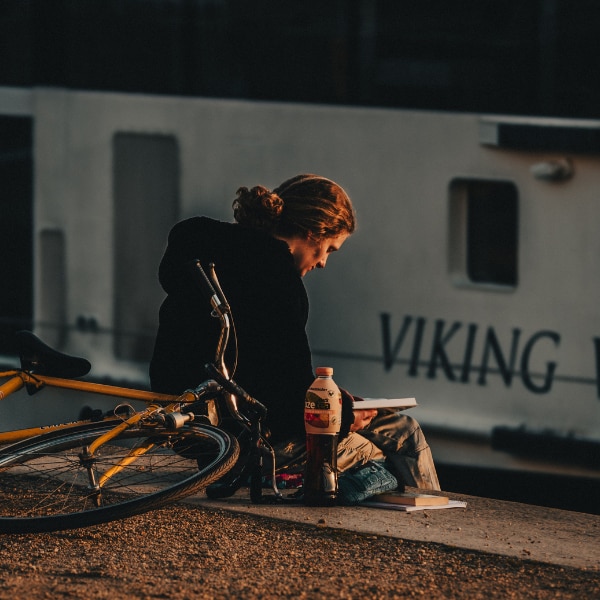
Maybe that is why so many people are quietly stepping back—not with loud announcements about quitting social media, but through softer boundaries that rarely make headlines. They post less. They share after the trip instead of during it. They stop feeling guilty for replying the next day. They protect parts of their lives simply because they deserve to remain private.
There is something deeply grounding about remembering that not every beautiful moment requires witnesses.
Luxury itself seems to be evolving in the same direction. The most coveted experiences are no longer always the busiest or the most photographed. Increasingly, they are the ones that offer stillness. Boutique hotels hidden away from crowded city centres. Restaurants that ask guests to slow down over long lunches. Wellness retreats that prioritise silence over spectacle. Even travel has begun to reward those willing to disconnect rather than constantly consume.
The greatest indulgence today may simply be uninterrupted attention.
Please pay attention to the people sitting across from us, towards the book in our hands. Towards the city we are walking through; instead of the screen, we are scrolling towards ourselves.
Of course, disappearing is not always easy. Many of us rely on our phones for work, friendships, and family. Being connected has become part of modern life, and there is no virtue in pretending otherwise. The goal is not complete disconnection. It is an intentional connection.
It is recognising that availability should be a choice rather than a default.

There is freedom in knowing that not every message deserves an immediate response. Not every outing needs photographic evidence. That your most meaningful experiences can remain beautifully undocumented.
Somewhere along the way, we confused being seen with feeling fulfilled. They are not the same thing.
One depends on an audience. The other depends on presence.
Perhaps that is why disappearing, even if only for an afternoon, feels so radical. It allows us to reclaim something that has quietly become scarce: our attention, our privacy, and our ability to experience life before sharing it.
In a culture that celebrates constant visibility, choosing to step away is no longer an absence. It is an act of self-possession.
And perhaps, in a world that never truly logs off, that is the greatest luxury of all.
Lead image: Pexels
Also read: What is ‘doomjobbing’? The career trend fuelling workplace anxiety
Also read: Digital detox is dead—say hello to digital curation
ADVERTISEMENT
Must Read





ADVERTISEMENT